New Jersey Electricity Information
New Jersey lets residents and businesses choose who supplies their electricity while the local utility still delivers power and maintains the grid. If you do not pick a supplier, you stay on the utility’s Basic Generation Service, which the Board of Public Utilities procures through competitive auctions each year. Customers can also join municipal energy aggregation programs that pool households for negotiated rates or greener supply. The main delivery utilities are PSE&G, Jersey Central Power & Light, Atlantic City Electric, and Rockland Electric, and the supply line of your bill is the part that is competitive.
Understanding Energy Choice (Third-Party Suppliers)
New Jersey is a “deregulated” energy market. This means that while you cannot choose which company delivers your power (that is determined by where you live, e.g., JCP&L or PSE&G), you can choose who generates the energy.
-
- Default Service: If you do nothing, you receive “Basic Generation Service” from your utility at a rate fixed by state auction.
-
- Third-Party Suppliers: You can shop around for a licensed third-party supplier who might offer a lower rate or 100% renewable energy.
-
- How to Compare: Look at the “Price to Compare” line on your current utility bill. If a supplier offers a price per kWh lower than that number, you may save money.
-
- Watch Out For: Be careful of variable rates that start low and spike later, or contracts with high cancellation fees.
Official Shopping Tool:
Use the NJ Board of Public Utilities’ official website to compare licensed suppliers, NJ Power Switch.
New Jersey Electricity Generation
New Jersey’s electricity generation is led by nuclear power and natural gas, with renewables like solar playing a growing role. Nuclear provides the largest share, keeping emissions lower than in states reliant on coal. Natural gas has expanded significantly, replacing coal-fired generation and further reducing emissions. New Jersey has some of the highest electricity prices in the country due to its dense population, high demand, and reliance on imported power. However, the state is investing in offshore wind and solar energy to diversify its energy mix and improve long-term price stability.
New Jersey has set ambitious clean energy goals, aiming to transition to 100% carbon-free electricity by 2050. Solar power is already a major contributor, with thousands of rooftop installations across the state. Offshore wind projects are also in development, expected to significantly boost renewable energy capacity. As fossil fuel dependence declines, emissions will continue to drop, reinforcing the state’s commitment to a cleaner energy future.
Find Electricity Providers In New Jersey
Ranks 23rd Highest in the U.S.
Average Price: 23.49¢ /kWh
Ranks 40th Cheapest in the U.S.
Average Electric Bill: $155
Ranks 35th Cheapest in the U.S.
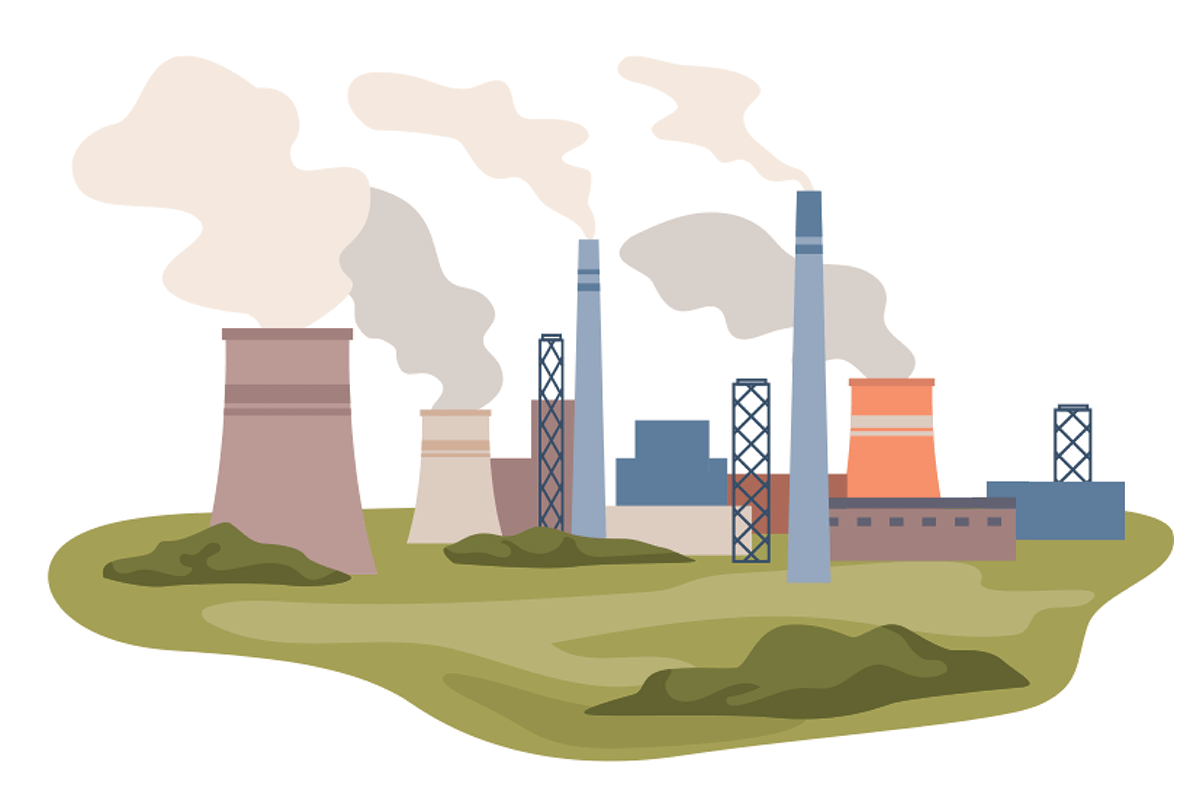
Electricity Production By Source
Emissions From Electricity Generation
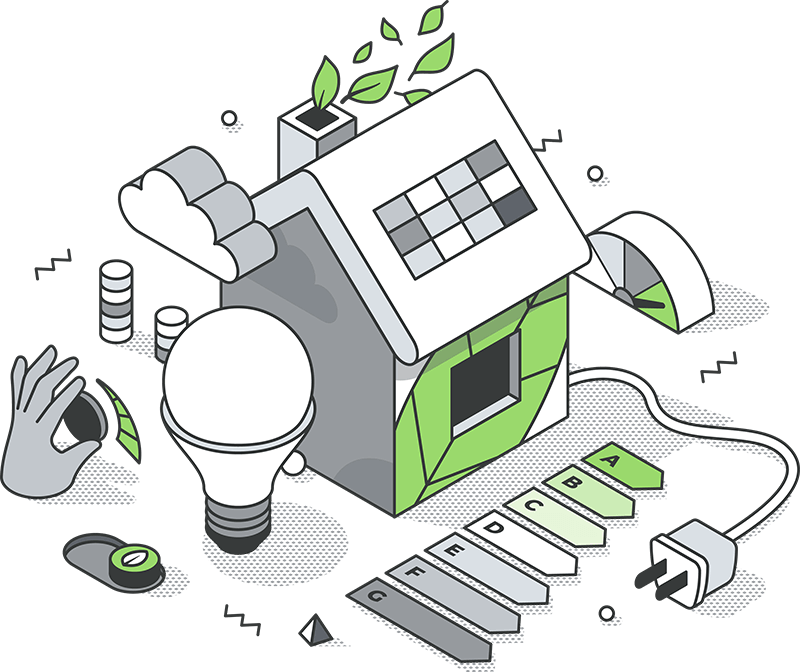
Estimate Your Emissions From Your Electricity Usage
How much CO2, SO2, and NOx do you generate from the electricity that powers your home?
Renewable Electricity Generation
2.45% of Total Production
Energy Usage in New Jersey
Electricity consumption in New Jersey is shaped by its Mid-Atlantic climate, which brings hot, humid summers and cold winters. Air conditioning demand peaks in the summer, while winter heating is often met with natural gas rather than electricity. The state’s large commercial and industrial sectors, including major transportation hubs, also contribute to energy use. Despite high energy demand, New Jersey promotes efficiency programs to help manage consumption and support its clean energy transition.
Municipal Utilities in New Jersey
While most cities, towns, and villages throughout the state of New Jersey offer municipal essential services like providing clean water, sewage treatment and dealing with waste and storm water, some also offer other services like electricity, natural gas, sanitation or recycling. In New Jersey, 9 cities offer municipal electricity utility services to their residents.
Largest Electric Companies in New Jersey
The rest of New Jersey receives electric utility service from one of many primary providers. Here’s a list of some of the larger providers that might be available to your home:





Map of Electric Providers in New Jersey
Setting up your electricity doesn't have to be a headache. We built this interactive map to help you quickly identify the electric provider that services your area. Whether you are moving across the country or just a few towns over, you can use the map below to find your local utility company, review their service areas, and take the next step in making your new house a home.
New Jersey Natural Gas Information
New Jersey is a gas-first state for home comfort and the grid. About 72% of households use natural gas as their primary heating fuel, which fits a Mid-Atlantic climate with cold winters and warm, humid summers. Winter brings the biggest bump at home, and summer keeps gas-fired plants busy backing up air-conditioning demand. On the consumption side, recent EIA data show the commercial sector at ~21% of deliveries and industrial at ~12%, with the rest split across homes and power generation. Natural gas and nuclear together supply the vast majority of in-state electricity, and gas alone provided about 49% of generation in 2023.
New Jersey also gives customers real supplier choice. Under NJ Energy Choice, residents and businesses can buy the gas commodity from third-party suppliers while the utility still delivers through its pipelines. The Board of Public Utilities maintains licensed supplier lists, and utilities like New Jersey Natural Gas and Elizabethtown Gas explain how to shop and enroll. In practice that means the supply line on your bill is competitive, and delivery stays with the local utility, a setup that’s been in place since the late 1990s.
Largest Natural Gas Companies in New Jersey
Many of the residents of New Jersey receive their natural gas utility service from one of the larger companies that service the state.


Find Natural Gas Providers In New Jersey
New Jersey Internet Connectivity
Largest Internet Providers in New Jersey
When it comes to high-speed internet, homes in New Jersey have plenty of options to stay connected! From bustling cities to quiet rural areas, a variety of providers offer reliable service across the state. Here are some of the biggest names keeping New Jersey homes online and in the loop:






Find Internet Providers In New Jersey
Quick-Reference Emergency Numbers
If you experience a power outage or smell gas, contact your utility provider immediately. Do not email them; use the emergency hotlines below.
Electric Outages & Emergencies
- PSE&G: Call 1-800-436-7734 or text
OUTto 4PSEG (47734). - Jersey Central Power & Light (JCP&L): Call 1-888-LIGHTSS (1-888-544-4877) or text
REGto 544487. - Atlantic City Electric: Call 1-800-833-7476.
- Rockland Electric: Call 1-877-434-4100.
Gas Leaks
If you smell gas (rotten egg odor), leave the area immediately and call 911, then call your utility.
- PSE&G: 1-800-436-7734
- New Jersey Natural Gas: 1-800-GAS-LEAK (1-800-427-5325)
- Elizabethtown Gas: 1-800-492-4009
- South Jersey Gas: 1-800-582-7060
Smart Meters: Modernizing NJ's Grid
New Jersey’s major utilities are currently in the process of upgrading older analog meters to digital "Smart Meters." This rollout is part of a statewide grid modernization effort approved by the Board of Public Utilities.
- No More Estimated Bills: Smart meters send your usage data directly to the utility, eliminating the need for manual meter readers and ensuring your bill reflects your actual usage every month.
- Faster Restoration: When the power goes out, the smart meter instantly notifies the utility, helping them pinpoint the outage location and restore power faster, often before you even call to report it.
- Track Your Usage: You can access near real-time data about your energy consumption through your utility’s online portal to help you save money.
Check your utility’s installation schedule:
Electric Vehicle (EV) Charging Incentives
New Jersey is one of the most EV-friendly states in the country, offering "stackable" incentives from both the state government and your local utility company to help offset the cost of installing a home charger.
1. State Rebate (Charge Up New Jersey)
Residents can receive a $250 rebate for purchasing an eligible Level 2 home charger.
- Apply Here: Charge Up New Jersey Residential Charger Program
2. Utility "Make-Ready" Incentives
Most NJ utilities will pay for a significant portion of the electrical work (wiring, panel upgrades) needed to install a charger.
- PSE&G: Offers up to $1,500 toward installation costs and off-peak charging credits. Learn more.
- JCP&L: The "EV Driven" program offers incentives for electrical upgrades and bill credits for off-peak charging. Learn more.
- Atlantic City Electric: Offers rebates for charger installation and special "Time of Use" rates. Learn more.
Know Your Rights: Consumer Complaints
If you have a dispute with your utility company regarding a high bill, service shut-off, or a deposit request, you have the right to appeal.
- Contact the Utility First: Attempt to resolve the issue directly with your provider's customer service department.
- File a Complaint with the State: If you are not satisfied, contact the NJ Board of Public Utilities (BPU). They act as a neutral third party to investigate and resolve disputes.
- Call: 1-800-624-0241
- File Online: NJ BPU Complaint Form
What is "Slamming"?
Slamming is the illegal practice of switching your energy supplier without your permission. If your bill shows a supplier you didn’t choose, call the BPU immediately to report it.
Safety First: Call 811 Before You Dig
Planning to install a new fence, deck, mail post, or garden? New Jersey law requires you to locate underground utility lines before you disturb the ground.
- The Rule: You must call 811 or 1-800-272-1000 at least 3 full business days before you plan to dig.
- The Cost: This service is free. Utility companies will come to your property and mark the location of underground gas, electric, water, and sewer lines with paint or flags.
- The Risk: Hitting a line can cause service interruptions, serious injury, and costly fines for repairs.
- Request a Markout Online: NJ One Call (811)
Learn more about Moving to New Jersey
Utility Costs in New Jersey
The average monthly total utility bills in New Jersey is $310, which is 17.85% higher than the national average.
Assistance for Paying Utility Bills in New Jersey
If you are struggling to pay your electricity, natural gas, or water bills, New Jersey offers several state-sponsored and non-profit assistance programs. These programs can help lower your monthly payments, provide emergency grants, or protect your service from being shut off during the winter.
General State Assistance Programs
Most residents seeking help should start by screening their eligibility for the state’s primary energy programs using the DCAid Screening Tool.
-
Low Income Home Energy Assistance Program (LIHEAP): This federally funded program helps low-income households pay for heating costs (electric, gas, oil, etc.) and medically necessary cooling expenses. Grants are often applied directly to your utility account.
-
Universal Service Fund (USF): If you spend a high percentage of your income on energy, USF provides monthly credits on your natural gas and electric bills to make them more affordable.
-
Note: You can apply for both LIHEAP and USF with one application via the DCAid portal.
-
-
PAGE (Payment Assistance for Gas and Electric): Designed for moderate-income households who may slightly exceed the income limits for LIHEAP or USF but are still struggling. PAGE provides credits to help pay down overdue balances.
-
How to Apply: Visit NJPowerOn.org.
-
-
NJ SHARES: A non-profit safety net for households facing a temporary financial crisis (like a job loss or medical emergency) who do not qualify for other federal or state programs.
-
How to Apply: Visit NJShares.org.
-
-
Winter Termination Program (WTP): This program protects specific vulnerable groups from having their utilities shut off between November 15 and March 15. You generally qualify if you receive benefits from programs like SSI, TANF, USF, or LIHEAP. You must contact your utility company to request this protection.
Special Programs for Seniors and Disabled Residents
-
Lifeline Program: This is a utility assistance program specifically for senior citizens (65+) and disabled adults who meet income guidelines or receive SSI/PAAD benefits. It provides an annual $225 benefit applied to your electric and gas bills.
-
How to Apply: Seniors can apply through the NJSave Online Application.
-
Assistance for Veterans
Veterans in New Jersey have access to specific funds designed to prevent homelessness and assist with financial hardships.
-
Veterans Inc. (SSVF): The Supportive Services for Veteran Families program can provide financial assistance for utilities and rent to veterans who are homeless or at risk of becoming homeless.
-
VFW NJ Veterans Assistance Program: The Department of New Jersey VFW offers temporary financial assistance to eligible veterans and their families for necessities, including utility bills.
Information for Students
While there is no dedicated “student-only” utility grant, college students living off-campus who pay their own utilities may be eligible for the general state programs listed above.
-
Eligibility: Students must generally meet the standard income requirements. If you live off-campus and are responsible for your own heating or electric bill, you should screen your eligibility for LIHEAP and USF using the DCAid portal.
-
University Resources: Many NJ universities, such as Rutgers, advise students facing financial hardship to contact their Dean of Students office or financial aid office, as some schools have emergency funds that can assist with living expenses.
Learn more in the Student Utilities Guide