

Understanding the electricity generation process and how power gets to your home can help you make eco-conscious and cost-saving choices.
Key Takeaways
- Electricity is generated from various sources, including fossil fuels, nuclear power, and renewable energy like wind and solar.
- The power grid is a complex network that continuously transmits and distributes electricity from power plants directly to your wall outlets.
- In some states, you can choose your electricity supplier, allowing you to support more renewable energy and reduce your household’s carbon footprint.
If you have ever wondered where does electricity come from, the simple answer is that it originates at utility-scale power plants before traveling across a massive electrical grid directly to your wall outlets. These specialized facilities actively convert primary forces — like natural gas, nuclear fission, or rushing wind — into the highly usable electrical current that powers your daily life. Knowing exactly how this complex process works from start to finish empowers you to make smarter, eco-conscious utility decisions and potentially lower your monthly bills.
The Basics: How Is Electricity Generated?
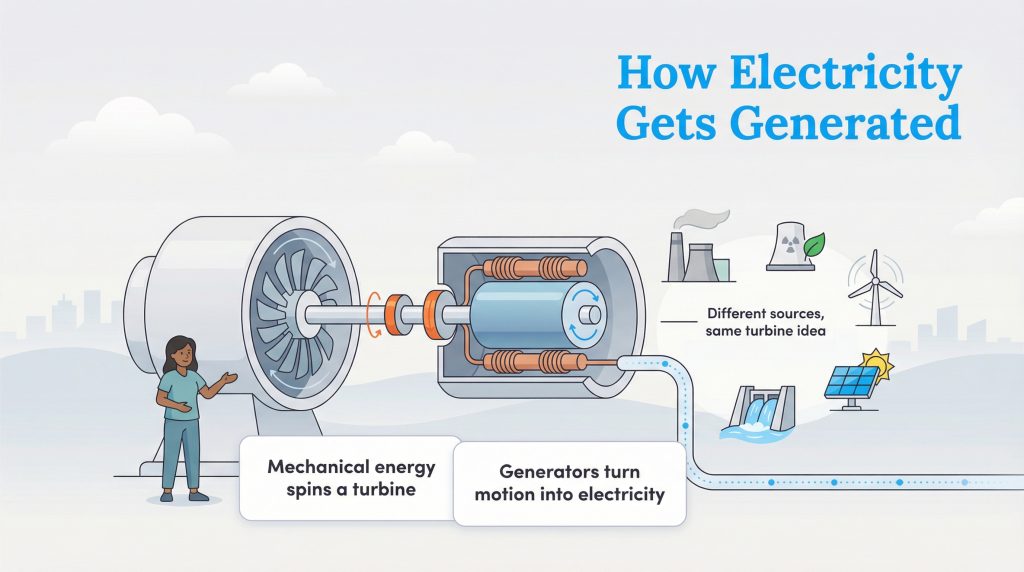
At its core, electricity is a secondary form of energy. But how is electricity generated on a scale large enough to power entire cities without interruption? Most utility-scale operations rely on the mechanical principle of electromagnetism to push electrons and create a steady electrical current. Depending on the exact types of power plants in your region, grid operators generally use a highly efficient, four-step mechanical process to get that power flowing continuously:
- Heat Generation: A primary fuel source — such as burning natural gas or initiating nuclear fission — generates massive amounts of heat.
- Steam Production: This intense thermal energy boils water inside massive industrial boilers, creating highly pressurized steam.
- Spinning the Turbine: The pressurized steam funnels through specialized pipes to aggressively push the giant aerodynamic blades of a turbine, converting thermal energy into mechanical motion.
- Activating the Generator: The spinning turbine directly connects to a generator containing large magnets and copper wire coils. As these magnets spin rapidly inside the coils, they force electrons to flow continuously, creating the steady electrical current that eventually reaches your home.
Major Sources Of Electrical Energy
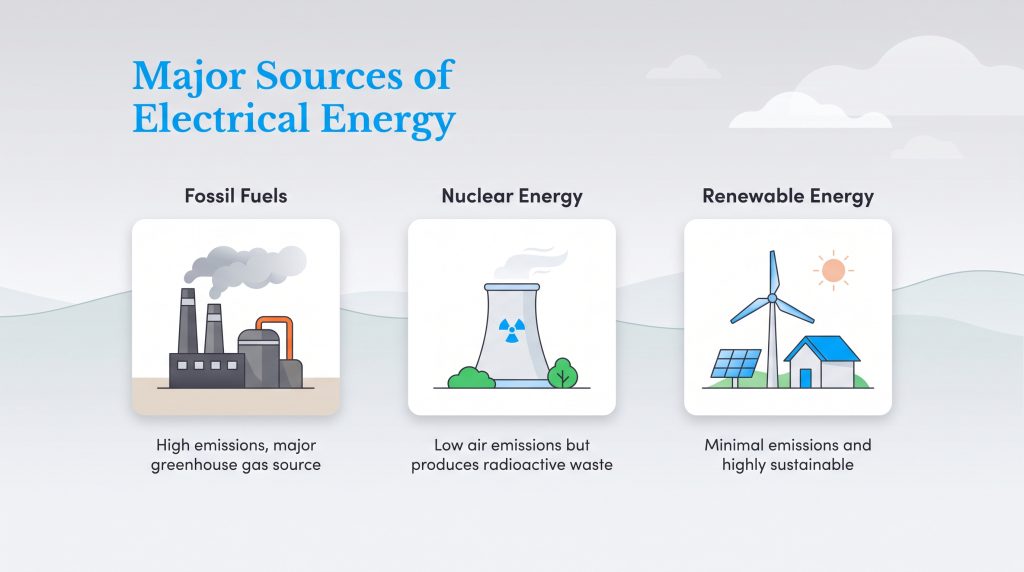
The modern power grid relies on a diverse mix of primary fuels and natural forces to meet peak household demand. When exploring the major sources of electrical energy, we can divide these resources into three categories based on their generation methods and the overall environmental impact of electricity generation.
| Energy Source | Generation Method | Environmental Impact |
|---|---|---|
| Fossil Fuels | Combusting finite fuels to create high-pressure steam that spins a turbine. | High emissions; major contributor to global greenhouse gases. |
| Nuclear Energy | Splitting uranium atoms (fission) to produce intense heat and steam. | Zero direct atmospheric emissions, but creates radioactive waste. |
| Renewable Energy | Harnessing natural forces to spin turbines or generate direct currents. | Minimal to zero emissions; a highly sustainable and eco-conscious choice. |
US Electricity Mix By Source
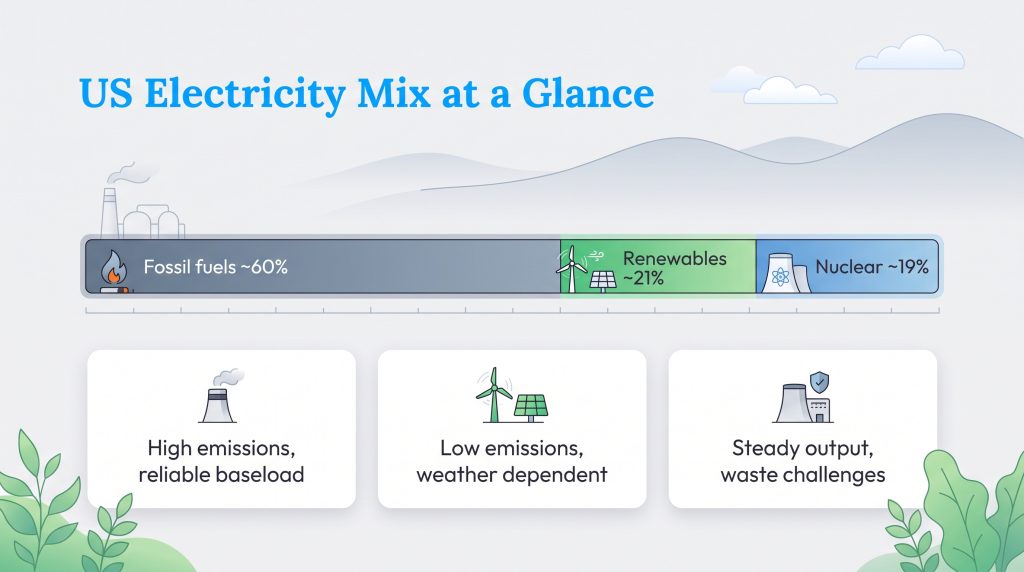
The national power grid relies on a carefully balanced blend of fossil fuels, nuclear power, and renewable energy to ensure continuous reliability. Understanding exactly how much of each resource contributes to this diverse mix helps clarify the broader environmental impact of keeping the country powered.
Fossil Fuels (Coal, Natural Gas, Oil)
According to the latest data from the U.S. Energy Information Administration (EIA), fossil fuels continue to dominate the national grid, making up roughly 60% of total generation. Natural Gas is the leading individual source at about 43.1%, heavily favored by utility companies for being relatively cleaner to burn than older methods. Coal makes up around 16.2% of the mix. While these sources provide continuous baseline power, comparing fossil fuels vs renewable energy reveals a massive carbon footprint that eco-conscious regulators are actively trying to phase out.
Nuclear Energy
Nuclear energy provides a remarkably steady portion of the country’s electricity, accounting for roughly 18.6% of total generation. By safely splitting uranium atoms through nuclear fission, these highly secure plants generate massive amounts of continuous power without producing immediate carbon dioxide emissions. However, the long-term management of radioactive waste keeps nuclear in a distinct category from naturally replenishing resources.
Renewable Energy (Solar, Wind, Hydro, Geothermal)
Renewable energy represents the fastest-growing segment of the power sector, accounting for roughly 21.4% of total generation. Wind power leads the renewable charge at 10.2%, followed closely by Hydroelectric generation at 5.7% and utility-scale Solar at 3.9%. You can even bring this clean technology directly to your property by installing residential solar panels, effectively turning your own roof into a miniature primary power plant.
Step-By-Step: How Electricity Gets To Your Home
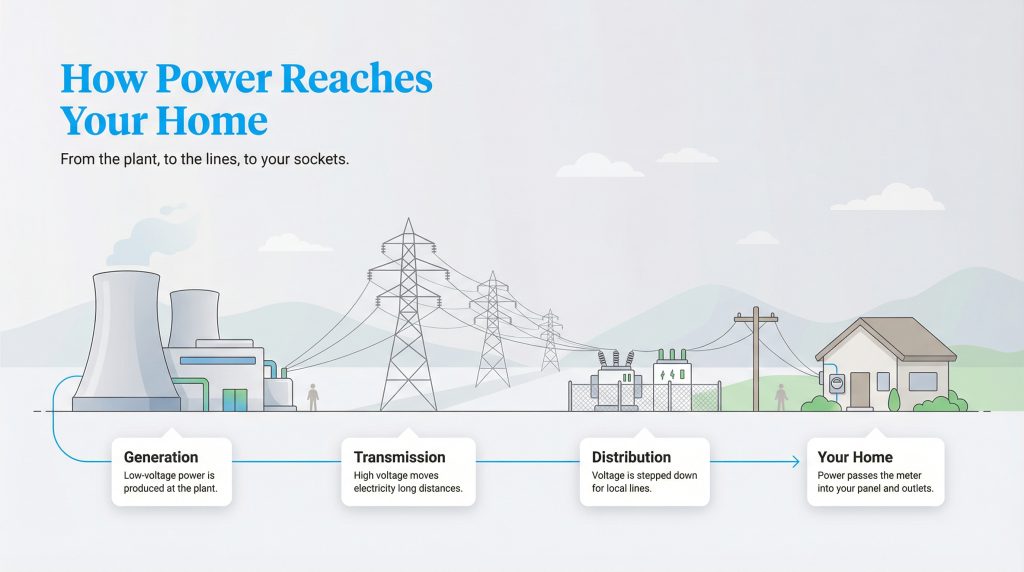
Once the power is generated, it must travel hundreds of miles to reach your appliances instantly. If you want the power grid explained in simple terms, it helps to map out the incredible infrastructure known as the electrical transmission system. Knowing exactly how electricity gets to your home showcases how high-voltage power scales down safely for everyday residential use.
Here is the exact journey mapping electricity distribution to homes across the country:
- Power Plant: Specialized facilities burn primary fuels or harness renewable forces to generate initial electricity at a relatively low voltage.
- Step-Up Transformers: Before entering the main grid, electricity passes through step-up transformers to drastically increase the voltage, ensuring the current travels efficiently with minimal energy loss.
- High-Voltage Transmission Lines: This intense power travels rapidly along massive steel towers and high-voltage transmission lines, forming the vital backbone of what is the electrical transmission system.
- Substations: Once the high-voltage power reaches your city, it arrives at local step-down substations. Specialized equipment safely lowers the voltage to a manageable level for neighborhood grids.
- Local Distribution Lines: The electricity continues its journey along smaller local distribution lines strung on wooden neighborhood poles or buried securely underground in modern subdivisions.
- Home Service Panel: Finally, the electricity passes through your property’s utility meter and flows directly into your home service panel before securely reaching your wall outlets.
Understanding Your Utility Bill And Energy Footprint
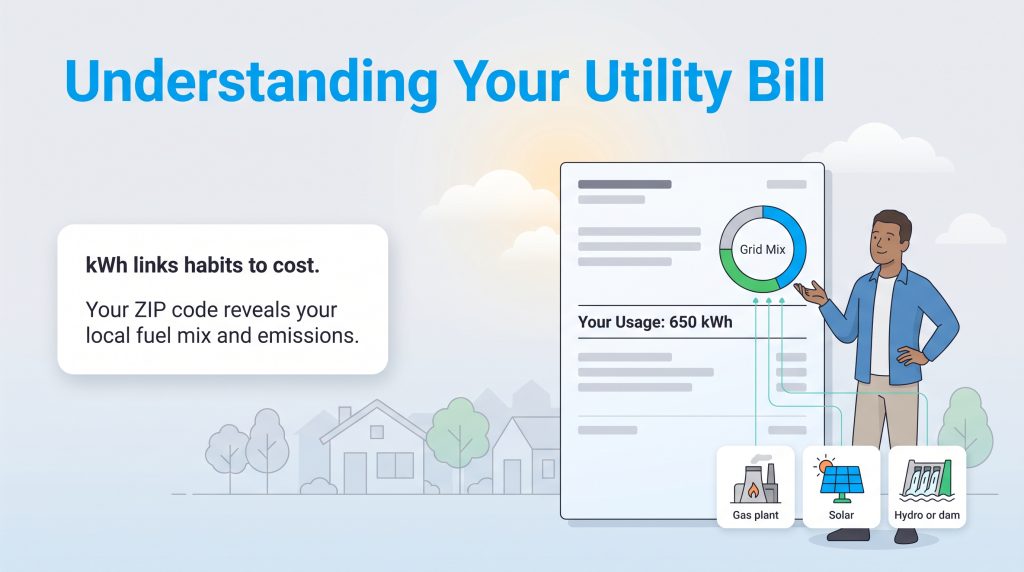
Knowing how your power is generated provides valuable context for understanding your monthly utility bill and managing your overall environmental footprint. Because all electricity blends together on the shared grid, you cannot trace specific electrons back to a single wind farm or gas plant. However, the unique mix of primary fuels used in your specific region heavily dictates the base utility rates you pay. Areas heavily reliant on volatile fossil fuels may experience sharper rate spikes during peak seasons, whereas regions with abundant hydroelectric or solar infrastructure often see more stable, long-term pricing.
When you look at your monthly utility statement, your energy consumption is measured in kilowatt-hours (kWh). A single kWh represents the amount of energy required to keep a 1,000-watt appliance running continuously for one hour. By understanding this basic metric, you can actively track how your household habits impact your bottom line. Using highly authoritative tools like the EPA’s Power Profiler, you can enter your ZIP code to review a detailed breakdown of the exact fuel mix powering your region. This helps you compare your local emissions against the national average so you can make environmentally mindful choices moving forward.
How To Choose A Green Energy Provider
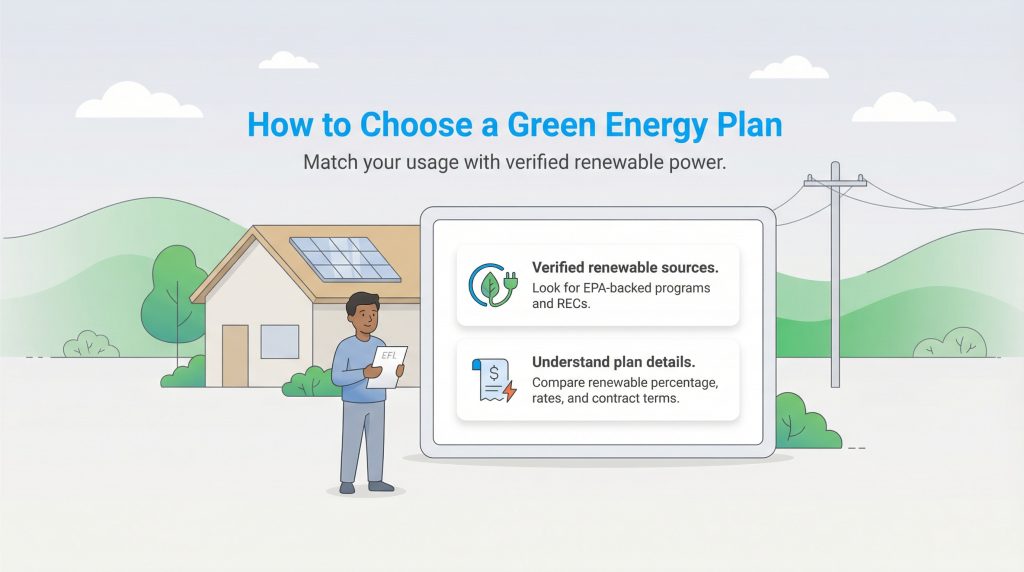
If you live in a deregulated market, you have the unique power to actively choose your electricity supplier. Many states offer official comparison tools, like Texas’s official energy choice portal, allowing residents to filter available plans. When you select a green energy provider, they purchase enough clean energy to match your household’s exact electricity usage, actively displacing the need for fossil fuels. Just be sure to reference the EPA’s criteria for green power to guarantee your plan uses legitimate Renewable Energy Certificates.
Taking Charge Of Your Home’s Energy Future
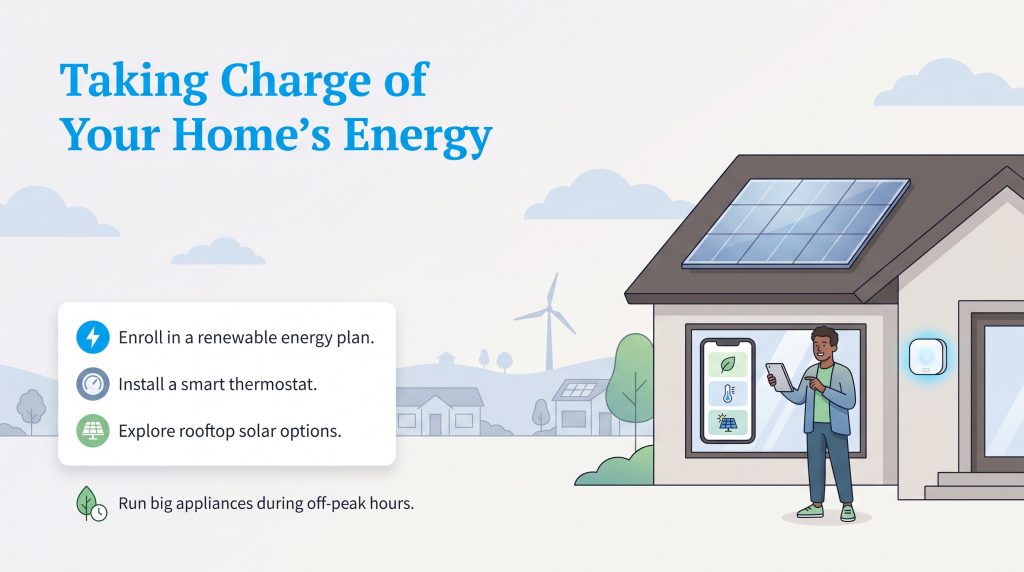
The future of electricity generation relies heavily on shifting toward more sustainable, eco-conscious alternatives, and you hold the power to shape that transition directly from your living room. By taking a proactive approach to your household utilities, you can significantly reduce your reliance on the traditional grid while lowering your monthly electric bill.
Here are three highly actionable steps you can take today to upgrade your home’s energy setup:
- Enroll in Renewable Energy Programs: Contact your local utility provider to see if they offer a clean energy opt-in program. In deregulated markets, actively shop for a verified green energy supplier that heavily sources wind or solar power.
- Install a Smart Thermostat: Heating and cooling account for a massive portion of your daily kWh usage. A smart thermostat actively learns your schedule and automatically shifts your heavy energy use away from expensive peak demand hours.
- Evaluate Residential Solar Panels: If you own your home, investing in rooftop solar panels transforms your property into a primary generation site. When paired with modern home battery storage, you can achieve impressive off-grid capabilities during widespread power outages.
🌱 Eco Edge: Running heavy appliances like washers, dryers, and dishwashers during off-peak hours (typically late at night or early in the morning) reduces extreme strain on the local grid and can result in lower utility rates depending on your provider.
Shaping A Sustainable And Efficient Home
Flipping a light switch might feel like a simple, everyday action, but it triggers an incredible sequence of events that firmly bridges the gap between massive power generation plants and your living room. By understanding the long journey your electricity takes, you are much better equipped to manage your home’s consumption. Every small adjustment — from changing your daily usage habits to investing in green technology — plays a vital role in building a more efficient and sustainable grid for years to come.
Frequently Asked Questions About Electricity Generation
How is electricity generated?
Electricity is primarily generated at massive power plants using a mechanical process. Grid operators burn primary fuels or harness renewable forces to heat water into steam or directly spin a large turbine. This spinning turbine powers a generator equipped with magnets and copper wire coils, creating the continuous flow of electrons we use as electrical current.
What are the main sources of electrical energy in the US?
The primary sources of electricity in the United States include fossil fuels (like natural gas and coal), nuclear energy, and renewable energy (such as wind, hydroelectric, and solar). Natural gas remains the most common individual source, making up roughly 43% of utility-scale generation, though renewables represent the fastest-growing sector nationwide.
How does electricity travel from the power plant to my house?
Once electricity leaves the power plant, step-up transformers drastically increase its voltage so it can efficiently travel across high-voltage transmission lines. When it reaches your local area, step-down substations lower the voltage to safer levels. It then travels along smaller neighborhood distribution lines, passes through your utility meter, and enters your home’s electrical panel.
What is the difference between the transmission system and the distribution system?
The transmission system is the high-voltage network of massive steel towers designed to transport electricity efficiently over long distances from generating plants. The distribution system is the localized, lower-voltage network of smaller power lines and transformers that safely deliver that electricity directly to individual residential homes and businesses.
Can I generate my own electricity at home?
Absolutely. Many homeowners choose to offset their grid usage by exploring home energy generation options like rooftop solar panels or small residential wind turbines. If your system produces more energy than you use, some utility providers will even credit your account for the surplus electricity you feed back into the shared grid.
What is the difference between AC and DC electricity?
Alternating Current (AC) and Direct Current (DC) are the two primary types of electrical current. In DC, electrons flow steadily in a single direction, which is how batteries and solar panels store and generate power. In AC, the electrons constantly reverse direction. The modern power grid relies on AC because it is much easier and cheaper to change its voltage using transformers over long distances.
About the Author

David has been an integral part of some of the biggest utility sites on the internet, including InMyArea.com, HighSpeedInternet.com, BroadbandNow.com, and U.S. News. He brings over 15 years of experience writing about, compiling and analyzing utility data.

Claudio is a sustainability-focused writer with a background in Anthropology and Psychology from NC State University. He has spent over 15 years working in writing, interpretation, and translation, driven by a deep interest in how human culture shapes the environment. Today, he shares his curiosity with readers by writing about sustainable living solutions and the connection between everyday choices and environmental impact.