
Wind power is a clean, renewable energy source that can lower your carbon footprint and potentially reduce your utility bills.
Key Takeaways
- Wind energy is a renewable resource that converts kinetic energy from air currents into electricity using turbines.
- Homeowners can access wind power by installing small residential turbines or, more commonly, by choosing a green energy provider.
- The benefits of wind energy include zero emissions and cost stability, though challenges like noise and location constraints exist.
You have likely seen giant white turbines spinning slowly in the distance during a road trip or captured in aerial footage of open fields. While these massive structures are impressive, many people do not realize that this same technology is accessible for personal property or local communities. Wind power is not just for utility companies; it is a practical way for you to reduce your reliance on fossil fuels and stabilize your monthly expenses. In this guide, we help you understand exactly how wind energy works, the honest pros and cons you should know, and the actionable steps you can take to bring clean power into your home.
What Is Wind Energy?
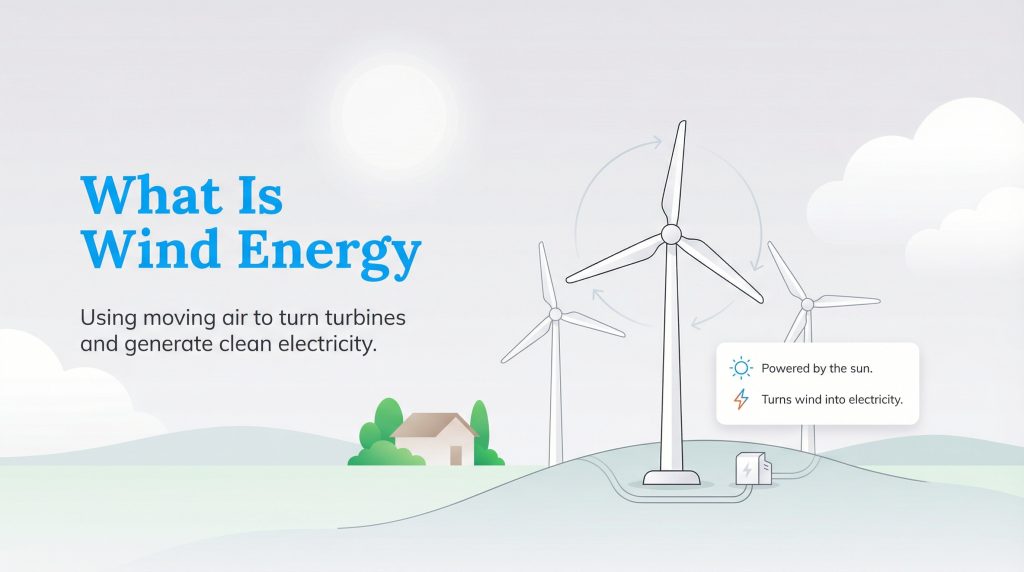
Wind energy is the process of converting the wind’s kinetic energy into mechanical power and then electricity, typically using wind turbines connected to the power grid. At its core, wind energy is the process of using the wind to generate mechanical power or electricity. It is actually a form of solar energy because wind is caused by the sun unevenly heating the atmosphere, combined with the irregularities of the earth’s surface and the rotation of the planet. As long as the sun shines and the wind blows, we have access to this inexhaustible fuel source. According to the U.S. Energy Information Administration (EIA), humans have harnessed wind power for thousands of years, starting with simple tasks like pumping water and grinding grain before advancing to modern electricity generation.
How Does Wind Energy Work?
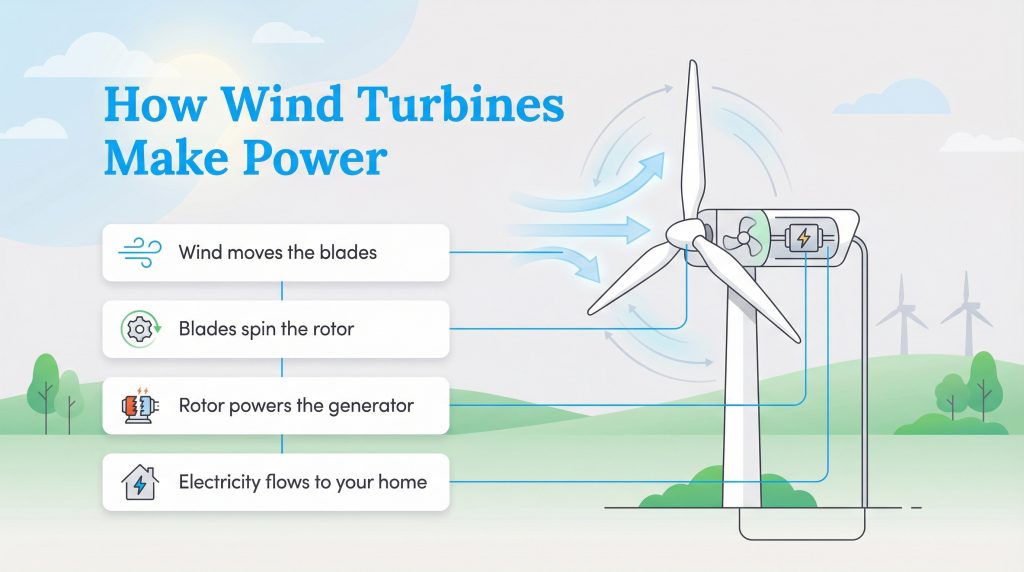
While wind energy is the resource, turbines are the technology that harnesses it. Wind turbines might look complicated, but the way they generate electricity is surprisingly straightforward. The goal is to capture the wind’s kinetic energy and convert it into electrical energy that can power your lights and appliances. Here is how we can break down the process step-by-step:
- Wind blows past the blades: When the wind blows, it flows over the aerodynamic blades of the turbine, creating lift (similar to an airplane wing) that causes them to turn.
- Blades spin a rotor: The spinning blades are connected to a hub, which spins a rotor. This is the conversion of wind energy into mechanical kinetic energy.
- The rotor spins a generator: Inside the turbine housing (nacelle), the rotor connects to a generator. As it spins, it uses magnetic fields to convert that mechanical energy into electrical energy.
- Electricity travels to the grid or battery: The generated electricity flows down the tower to a transformer and then out to the electrical grid or your home’s battery storage system.
The Different Types of Wind Energy
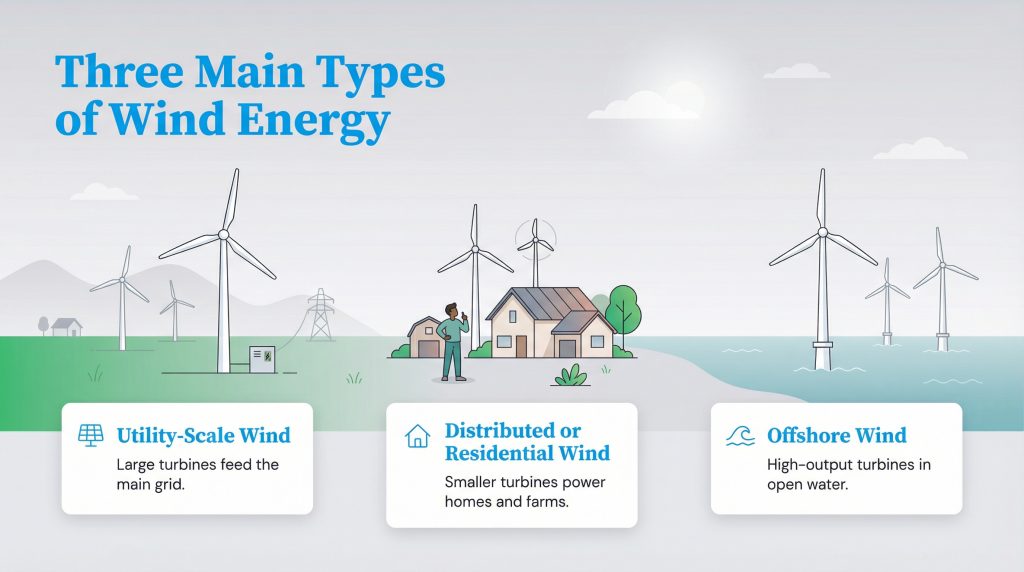
Not all wind power is created equal, and understanding the different scales of technology helps clarify what might be right for your situation. While the mechanics are similar, the application differs greatly between a massive wind farm and a turbine you might install on a farm. Most utility-scale turbines are horizontal-axis (looking like massive propellers), though you might see vertical-axis designs for smaller, residential applications. Here are the three main categories you will encounter:
- Utility-Scale Wind: These are the massive turbines ranging from 100 kilowatts to several megawatts that deliver power to the electric grid. This is likely where your electricity comes from if you sign up with green electricity providers.
- Distributed or Residential Wind: These are smaller turbines used at homes, farms, or small businesses to offset on-site energy use. They are often unconnected to the main grid or used in hybrid systems.
- Offshore Wind: These turbines are erected in bodies of water, usually on the continental shelf. Wind speeds are higher and more consistent offshore, allowing these massive structures to generate significant power.
Pros and Cons of Wind Energy
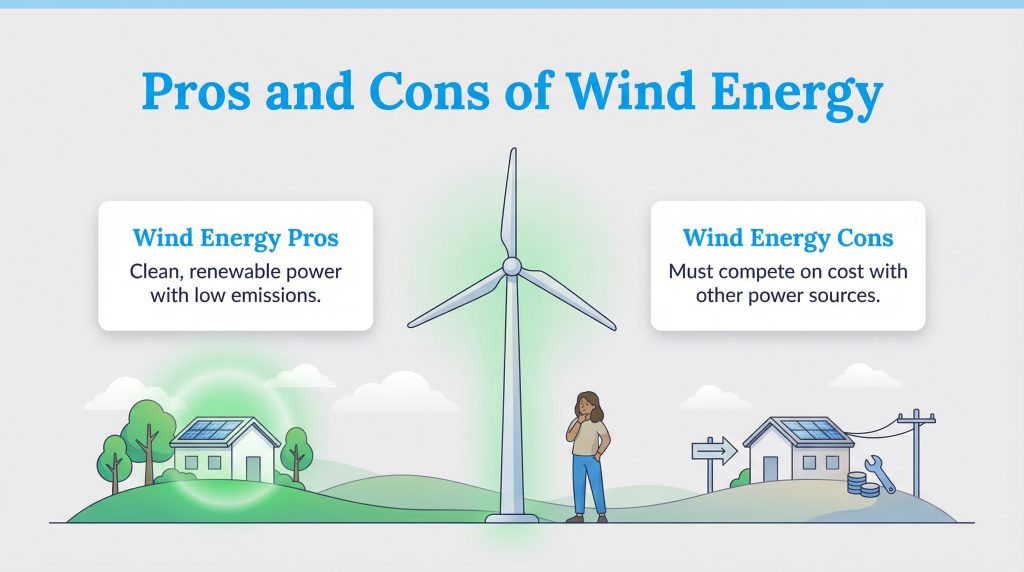
Like any energy source, wind power comes with its own set of advantages and challenges. It is important to weigh these factors carefully, especially if you are considering a physical installation on your property. The Department of Energy highlights that while wind is a clean fuel source, it must compete economically with other forms of generation.
| Advantages (Pros) | Disadvantages (Cons) |
|---|---|
| Renewable & Inexhaustible: We will never run out of wind, making it a sustainable long-term solution. | Intermittent: The wind does not always blow, which means turbines cannot generate power 100% of the time without battery backup. |
| Low Operating Costs: Once the turbine is built, the “fuel” (wind) is free, keeping ongoing expenses low. | Noise & Aesthetics: Some people find turbines noisy or visually unappealing, leading to “Not In My Backyard” (NIMBY) issues. |
| Clean Energy: Wind production creates no smog, acid rain, or greenhouse gas emissions. | Upfront Cost: The initial investment for manufacturing and installation can be high, though tax incentives help. |
| Job Creation: The wind sector creates thousands of jobs in manufacturing, installation, and maintenance. | Wildlife Concerns: Spinning blades can pose a threat to local bird and bat populations if not sited correctly. |
How to Use Wind Energy for Your Home
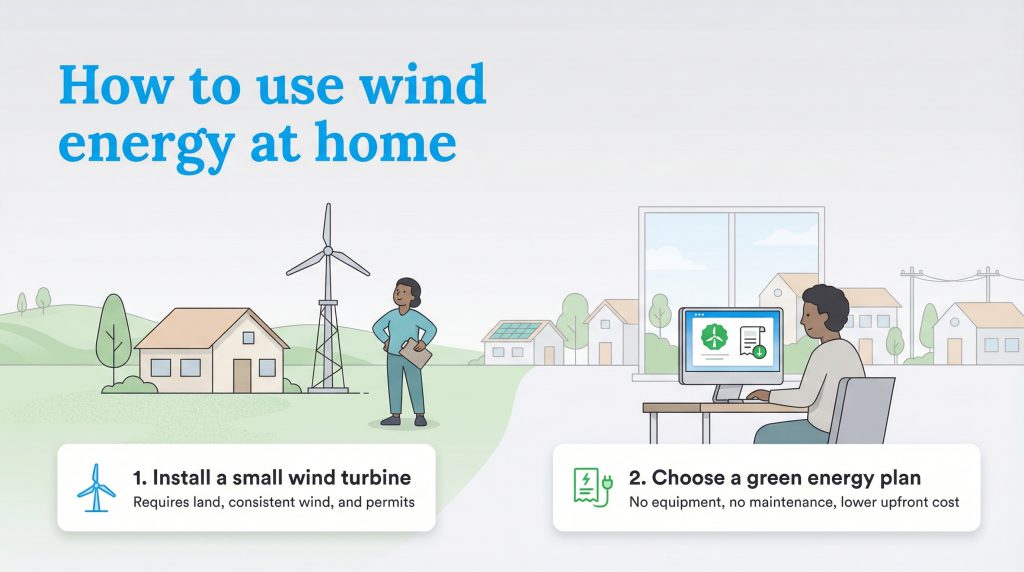
If you are ready to harness the power of the wind, you generally have two paths forward. The right choice depends on your location, your budget, and whether you own your property or rent. We recommend starting by evaluating your specific needs to see how easily you can adopt this renewable source. Here is how you can start using wind energy today:
1. Installing a Small Wind Turbine
This is a significant commitment that requires owning property with specific characteristics. Residential wind turbines are best suited for rural areas where you have at least one acre of land. You also need a location with consistent wind speeds, typically an average of at least 10 miles per hour. Before proceeding, you must check local zoning laws and covenants to ensure you are allowed to erect a tower, which can be 80 to 100 feet tall.
Money-Saver: Just like with solar panels, you may be eligible for federal tax credits that cover a percentage of the cost for purchasing and installing a residential wind turbine.
2. Switching to a Green Energy Plan
For most suburban homeowners and renters, this is the easiest and most effective way to support wind energy. In deregulated energy markets, areas where you can choose your electricity supplier, you can choose an electricity provider that sources 100% of its power from renewable sources like wind. This requires no equipment installation, no maintenance, and no upfront cost. You simply pay your bill as usual, but your payments support the generation of clean energy on the grid. This is often a great strategy for how to save on your electric bill while supporting the environment.
If your property isn’t windy enough for a turbine, solar panels might be a better fit for onsite generation. Solar systems are often easier to permit in residential neighborhoods and have fewer moving parts than wind turbines.
Is Wind Energy Sustainable?
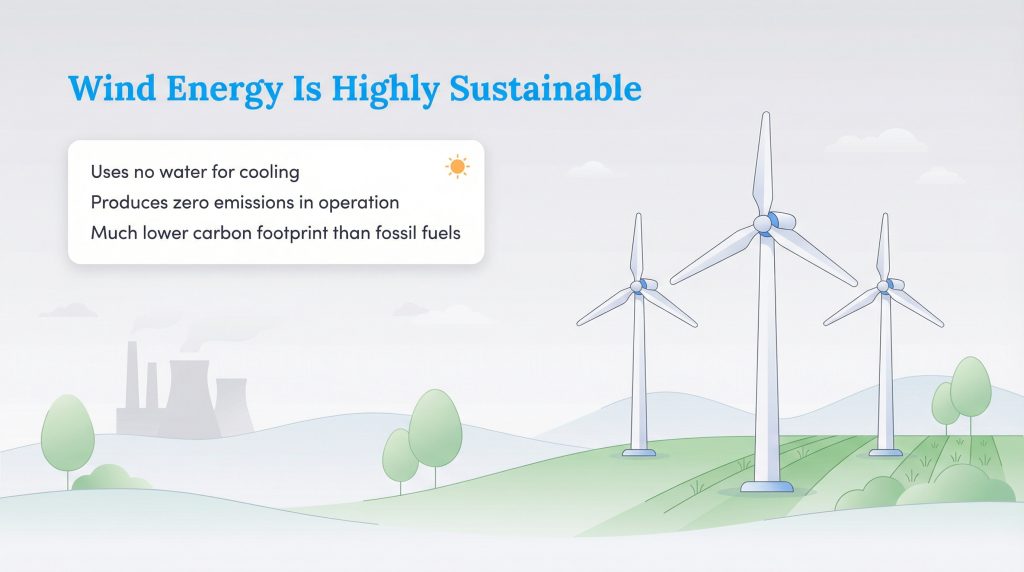
Sustainability is about meeting our current needs without compromising the ability of future generations to meet theirs. By this definition, wind energy is incredibly sustainable. Unlike thermal power plants, wind turbines do not consume water for cooling, which preserves a vital resource for agriculture and drinking. Furthermore, wind energy produces zero toxic emissions or greenhouse gases during operation and has a significantly lower lifecycle carbon footprint than fossil fuels. You can learn more about how green power reduces the environmental footprint of electricity generation by visiting the EPA’s Green Power Partnership website.
Empowering Your Home with Clean Energy
Wind energy has matured from a niche experiment into a reliable, powerhouse technology that drives a significant portion of our national grid. Whether you have the land to install your own turbine or simply choose to switch your electricity plan to a wind-supported provider, you are actively contributing to a greener future. We encourage you to check your local utility options and see how easy it is to make the switch to a cleaner, more sustainable energy source for your home.
FAQs About Wind Energy
Is wind energy cheaper than fossil fuels?
Can I put a wind turbine on my roof?
What happens to wind turbines when there is no wind?
How long do wind turbines last?
Do wind turbines make a lot of noise?
About the Author

David has been an integral part of some of the biggest utility sites on the internet, including InMyArea.com, HighSpeedInternet.com, BroadbandNow.com, and U.S. News. He brings over 15 years of experience writing about, compiling and analyzing utility data.