

Taking Proactive Steps to Prepare Your New Residence for Warm Weather Can Noticeably Lower Your Summer Cooling Costs
Key Takeaways
- Completing these 10 DIY weatherization projects this spring can noticeably lower your cooling costs as summer approaches.
- Learning how to identify and seal air leaks around your windows, doors, and basements keeps the hot air out and the cold air inside.
- Scheduling proactive spring HVAC maintenance ensures your system runs efficiently and typically improves the lifespan of your equipment.
When you transition into a new residence or rental property, implementing effective spring weatherization tips is the smartest way to noticeably lower your utility bills and reduce your household carbon footprint. Taking the time to properly prepare your living space before the blazing summer heat arrives ensures your air conditioning system operates with maximum efficiency. The Department of Energy notes that proper weatherization can reduce heating and cooling costs by up to 20%. Whether you are setting up utilities in a new home or renewing your lease, your primary goal shifts as the weather warms from keeping the freezing cold out to trapping expensive, air-conditioned air inside. By following an intentional spring home maintenance checklist, you empower yourself to confidently tackle air leaks, upgrade to energy-efficient settings, and establish an eco-conscious home environment.
Why Weatherize Your Home in the Spring
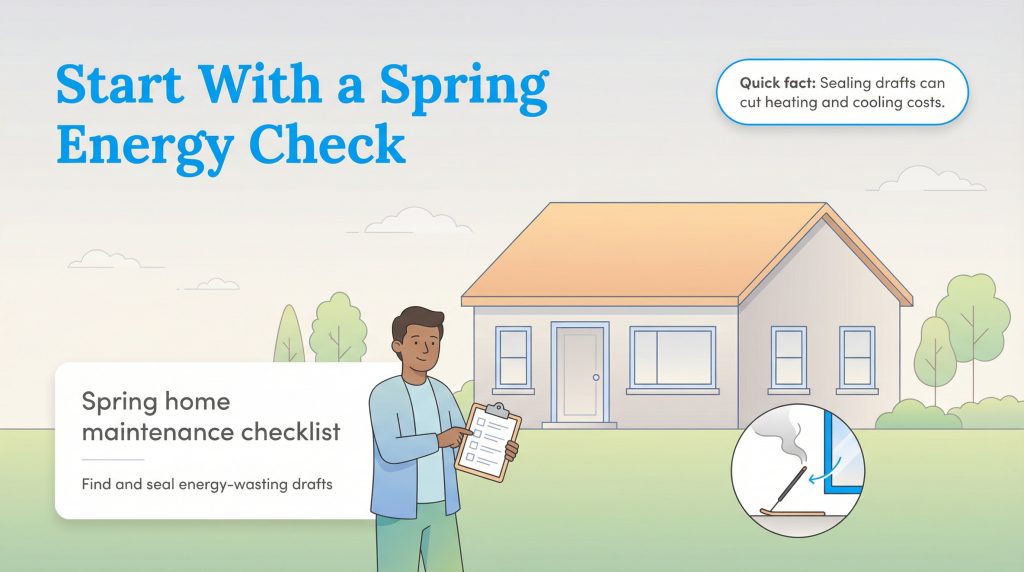
You must establish a solid baseline for your property’s energy efficiency long before the sweltering heat forces your air conditioner into overdrive. Creating a comprehensive spring home maintenance checklist helps you systematically diagnose the root causes of uneven temperatures and stubbornly high utility bills. Rather than randomly applying caulk, completing a DIY home energy audit gives you a clear roadmap of exactly where your house loses energy.
You can conduct a remarkably simple DIY draft test right now to stop guessing where the cool air escapes. Light an incense stick and slowly pass it around the edges of your window frames, exterior doors, and baseboards. If the smoke wavers or blows sideways, you pinpointed an invisible gap where unconditioned air freely moves. If you prefer a smoke-free method, run a damp hand along these same boundaries on a breezy day to feel subtle temperature changes. Tackling these targeted DIY weatherization projects empowers you to take control of your indoor climate and reduce your monthly expenses.
The Ultimate Spring Home Maintenance Checklist
Systematically addressing your property’s vulnerabilities ensures you capture the maximum possible energy savings. Follow this comprehensive, step-by-step checklist to organize your cooling-season prep tasks, seal up stubborn drafts, and noticeably boost your comfort before the intense summer weather hits.
1. Seal Air Leaks Around Exterior Doors
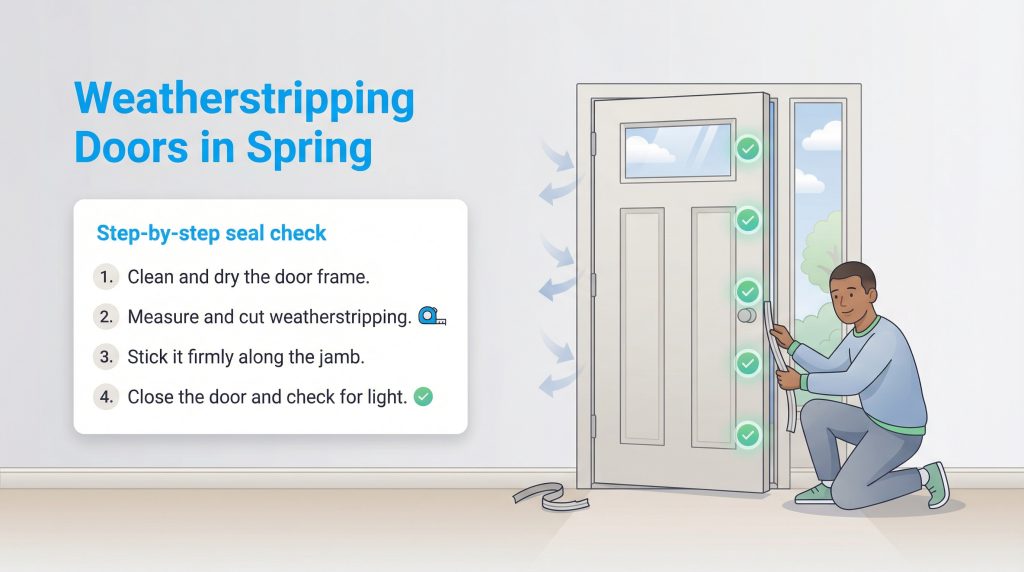
Drafty exterior doors waste significant energy, but fixing them requires only basic tools and a little patience. Inspect your main entryways first, as winter weather brutalizes door seals, leaving them cracked, brittle, or flattened. Weatherstripping doors in spring serves as the perfect weekend task because mild temperatures allow the adhesive backings to cure properly.
- Vinyl Weatherstripping: Offers excellent moisture resistance and durability, making it ideal for the base of exterior doors and heavy-traffic thresholds.
- Felt: An affordable, traditional option best suited for low-traffic interior door frames where moisture is minimal.
2. Weatherize Windows for Warm Weather
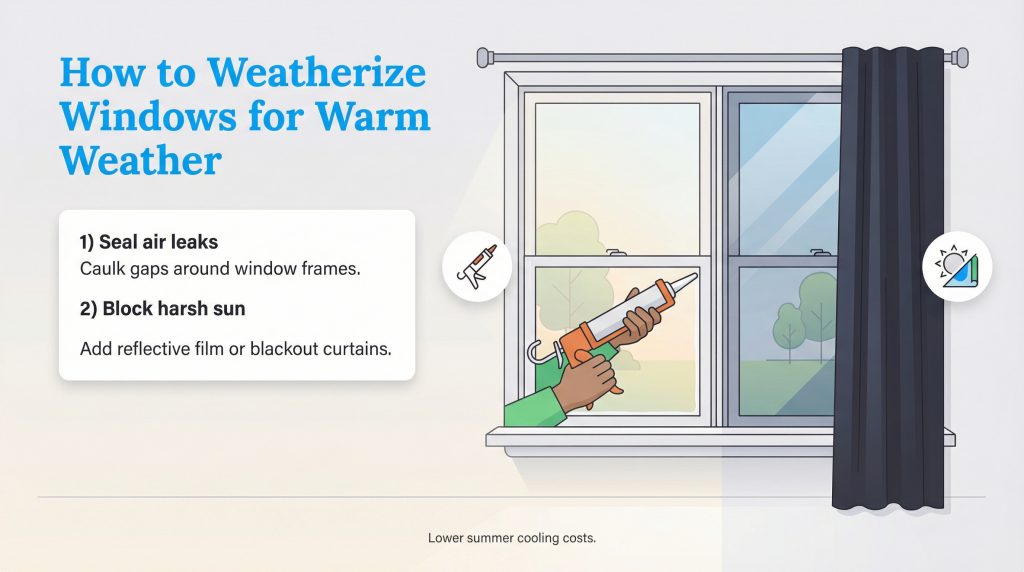
Keeping blistering heat outside proves just as vital as blocking winter chills. Old caulk naturally shrinks and separates from the wood or vinyl, creating an easy pathway for unconditioned air to infiltrate your living room. When you weatherize windows for spring, you establish a critical physical barrier against the elements. This is one of the smartest energy-efficient home upgrades you can make to lower your summer electric bill. To effectively seal air leaks in spring, utilize these specific materials:
- Silicone Caulk: Squeeze a continuous, even bead of silicone caulk along stationary gaps around the exterior of your window frames to create a professional-looking, waterproof seal.
- Reinforced Foam Sealant: Combines closed-cell foam with a rigid backing, providing an airtight, long-lasting seal for slightly warped window sashes and large exterior gaps.
3. Secure Basements and Crawl Spaces
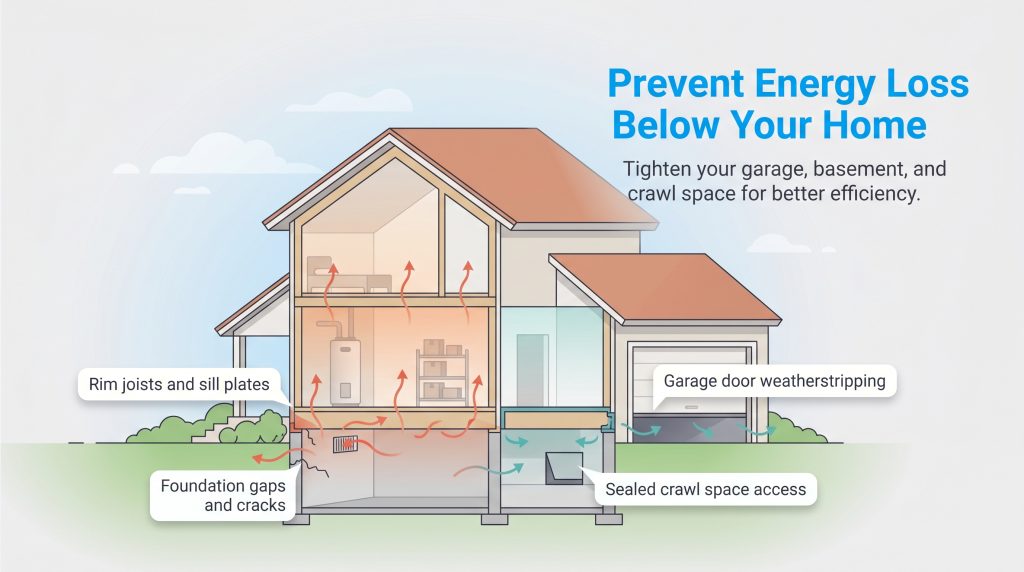
Additionally, you must secure the lowest levels of your property to fight the stack effect. Wind-driven unconditioned air easily forces its way through unprotected rim joists, sill plates, and unseen foundation gaps in your basement. Apply expanding spray foam where the wooden framing meets the concrete foundation wall, and ensure your crawl space vents are tightly sealed to permanently block exterior heat and humidity.
4. Schedule Spring HVAC Maintenance
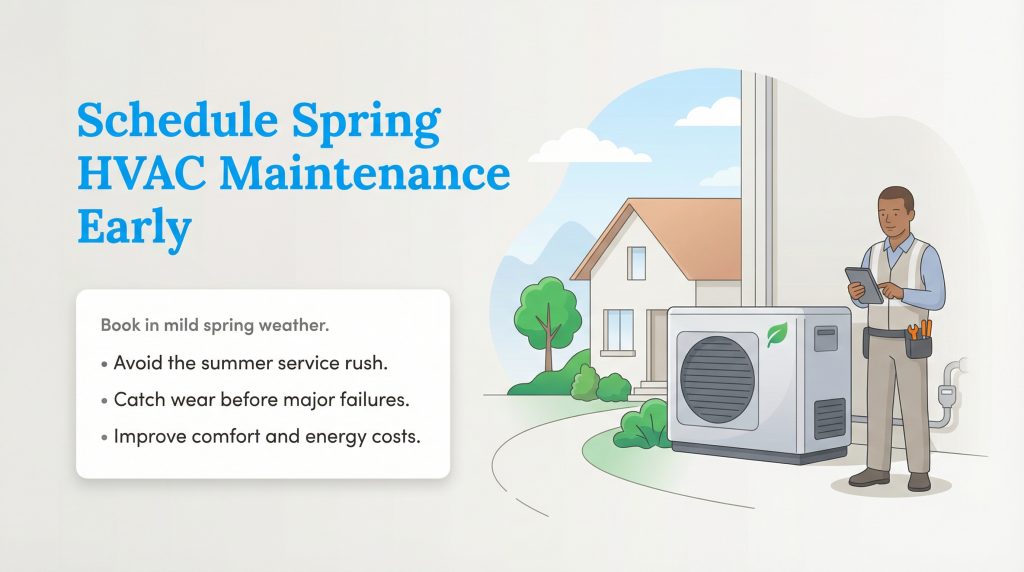
Your central air conditioning unit requires expert attention to handle the demanding months ahead. Booking a licensed technician during the mild spring transition completely avoids the frantic summer rush when local HVAC companies are fully booked. To properly maintain your system and protect your indoor air quality before the heavy heat arrives, follow this direct, step-by-step checklist:
- Check MERV ratings: Ensure your filter traps seasonal allergens without suffocating your blower motor. We strongly recommend finding a filter with a MERV rating between 8 and 11.
- Replace dirty air filters: Swap out your clogged winter filters immediately to restore airflow. Operating with a fresh filter drastically improves your HVAC efficiency and slashes energy waste.
- Clear the condenser unit: Remove wet leaves, twigs, and debris from the exterior base of your outdoor unit to ensure the system can effectively release heat.
- Inspect ventilation ducts: Ask your technician to inspect your network for leaky ducts. Leaky air ducts pose a major hidden issue for many new homeowners, often causing up to 30% of your precious cool air to escape into unfinished basements or dark attics.
5. Conduct an Attic Insulation Inspection
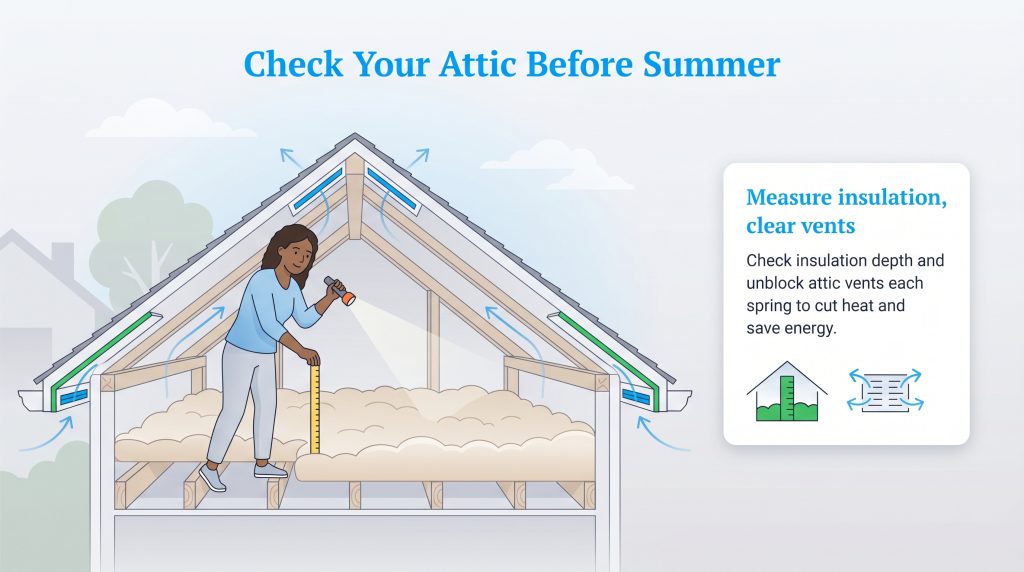
Your roof absorbs a massive amount of radiant heat from the blistering summer sun. Without a solid thermal barrier, that heat easily bleeds downward into your living spaces. Over the years, loose-fill fiberglass or cellulose insulation slowly settles, compresses, and degrades. This natural degradation noticeably lowers the material’s ability to resist heat transfer. Upgrading your attic’s thermal envelope provides a fantastic return on investment, keeping you comfortably cool while cutting energy waste. Focus your efforts on these exact locations during your inspection:
- Attic stairs: Install a specialized attic stair cover — essentially an insulated tent — over your pull-down staircase to physically block intense heat from pouring into your upstairs hallway.
- Floor joists: Carefully check insulation levels against your floor joists. Verify that the insulation sits completely flush and fills the cavities between the joists without leaving any exposed wood or gaps.
- Hatch covers: Secure rigid foam board to the back of your attic access hatch and add weatherstripping around the wooden lip.
Equally important to insulation depth is ensuring proper roof airflow. Take a flashlight and carefully inspect your attic exhaust vents, including your ridge and soffit vents, to ensure they remain completely clear of blown-in debris or old bird nests. For specific guidance on proper regional depth levels, consult the Environmental Protection Agency’s ENERGY STAR program to ensure your upgrades meet modern sustainability standards.
6. Switch to Eco-Friendly Home Cooling
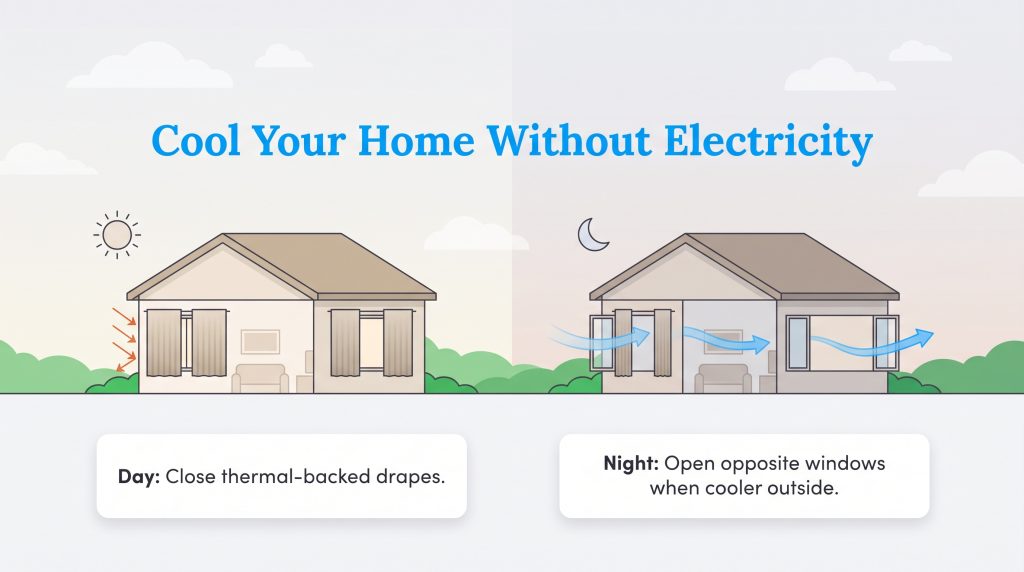
Switch to eco-friendly home cooling by implementing passive temperature control techniques that require absolutely zero electricity. Actively managing solar heat gain represents a highly effective way to reduce cooling costs, particularly for renters and budget-conscious users who cannot make massive structural upgrades. We highly recommend keeping thermal-backed drapes fully closed during peak afternoon sunlight hours to physically block intense radiant heat from ever entering your living spaces.
Once the sun goes down and exterior temperatures finally drop, open windows on opposite sides of your home to utilize cross-ventilation at night. This simple, natural breeze forcefully flushes out trapped, stagnant hot air and replaces it with refreshing, cool air while giving your air conditioning compressor a much-needed break. Relying on these straightforward strategies significantly lowers your energy consumption and establishes a highly sustainable daily routine.
7. Install Thermal Curtains and Blinds
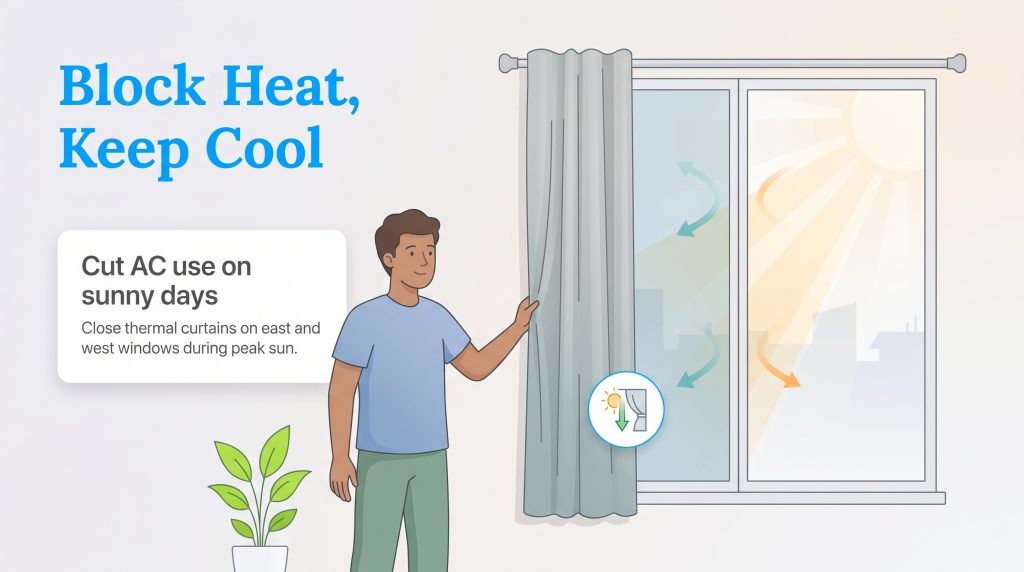
Sunlight streaming through unprotected glass forces your air conditioner into overdrive just to maintain a baseline temperature. Heavy thermal curtains feature an acrylic foam layer that creates an insulating pocket of dead air against the hot glass, trapping the cool air inside where it belongs. Keep your window treatments fully closed on any east- and west-facing windows to aggressively reject incoming solar radiation before it raises your indoor temperature.
8. Optimize Your Programmable Thermostat
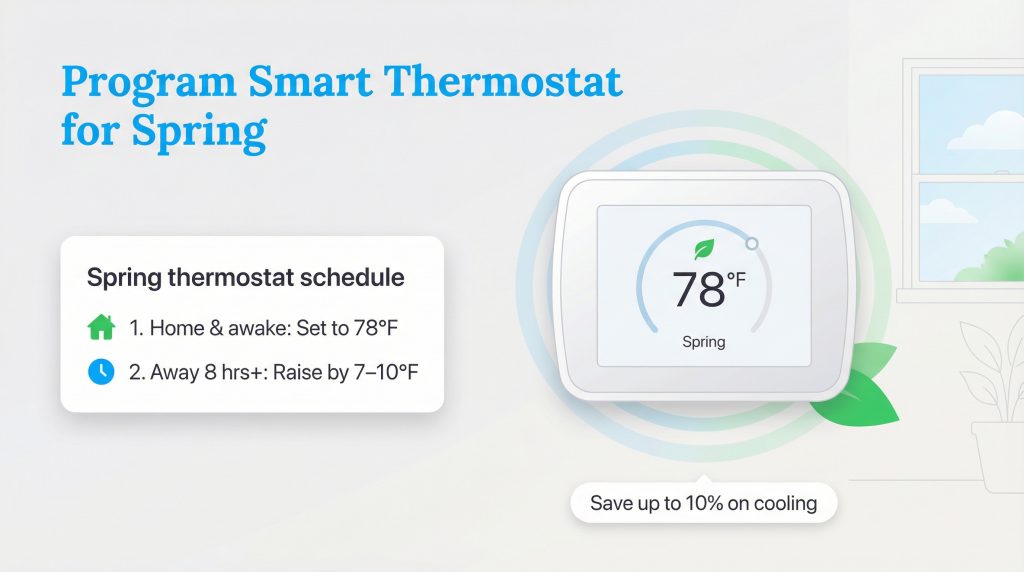
Once you address the physical barrier of your windows, you can optimize your digital climate controls. Transitioning your smart thermostat spring settings ensures your equipment responds intelligently to unpredictable seasonal temperature swings. A common energy-saving baseline is around 78 degrees Fahrenheit when you are home and awake. By programming the system to ease up while you are at the office, you prevent your condenser from running needlessly during the most demanding parts of the afternoon.
9. Service Ceiling Fans and Ventilation
Supporting your thermostat settings requires optimized indoor airflow. Keep your ceiling fans rotating counterclockwise during the spring and summer months to create a strong downward draft. This wind-chill effect makes the ambient air feel significantly cooler on your skin, allowing you to comfortably set your smart thermostat a few degrees higher without sacrificing your quality of life.
10. Invest in DIY Weatherization Materials
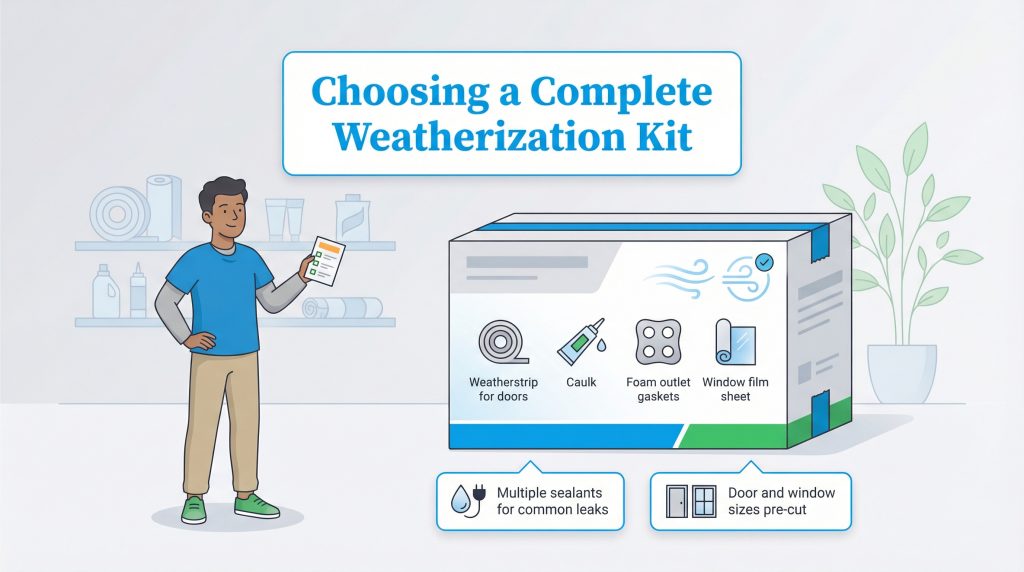
If purchasing individual rolls of foam feels overwhelming, you can invest in a comprehensive weatherization kit to simplify your DIY spring weatherization efforts. These packages perfectly suit renters or beginners, providing pre-cut portions designed specifically to tackle the most common household leaks. Knowing your personal limits remains a vital part of tackling these upgrades safely. Utilizing a quick reference guide helps you categorize the tasks on your checklist, preventing costly mistakes while keeping your residence structurally sound.
| Material / Upgrade | Average Cost | Ease of Installation | Expected Energy Savings |
|---|---|---|---|
| Vinyl Weatherstripping | $10 – $25 | Beginner (DIY) | Moderate (Stops drafts around doors) |
| Silicone Caulk | $5 – $15 | Beginner (DIY) | High (Seals window frames permanently) |
| Attic Stair Cover | $40 – $80 | Intermediate (DIY) | High (Blocks radiant roof heat) |
11. Know When to Hire a Professional
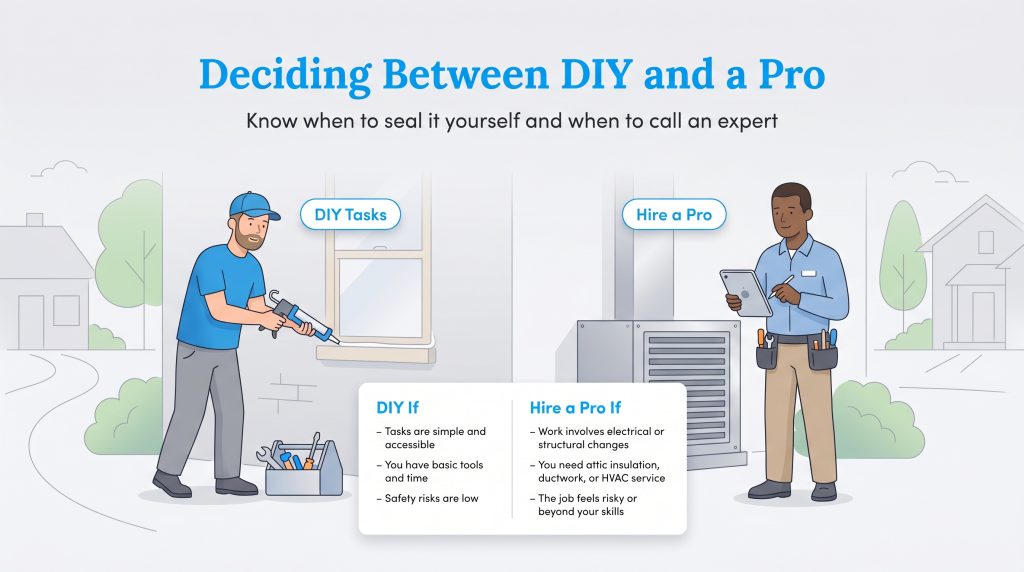
Basic tasks like installing door sweeps or pressing foam tape into frames perfectly suit beginners. However, you should hire a professional for complex jobs that require specialized equipment. Certain maintenance activities, such as blowing in deep attic insulation, permanently sealing HVAC ductwork, or replacing rotting window units, should always be left to certified technicians to ensure the safety and longevity of your home.
Regional Spring Weatherization Adjustments
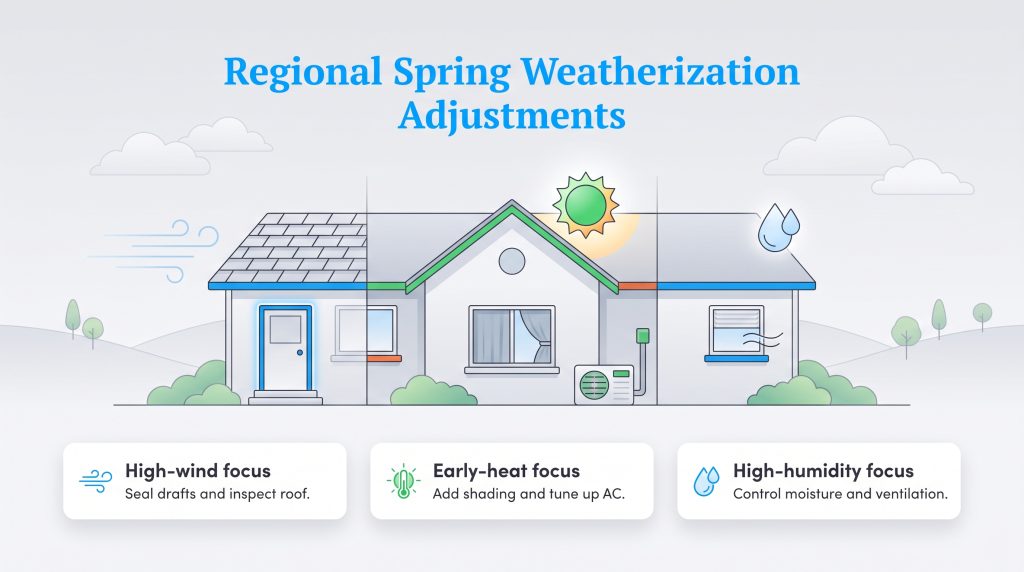
Not all weatherization strategies yield the exact same results, as your local climate heavily dictates your home maintenance priorities. Tailoring your approach based on specific environmental challenges maximizes your energy efficiency before the weather turns extreme. Whether you need aggressive solar shading in the early-heat South or serious moisture control in the highly humid Southeast, understanding your regional demands helps you prioritize the most impactful upgrades first.
Getting Your Home Ready for the Summer Heat
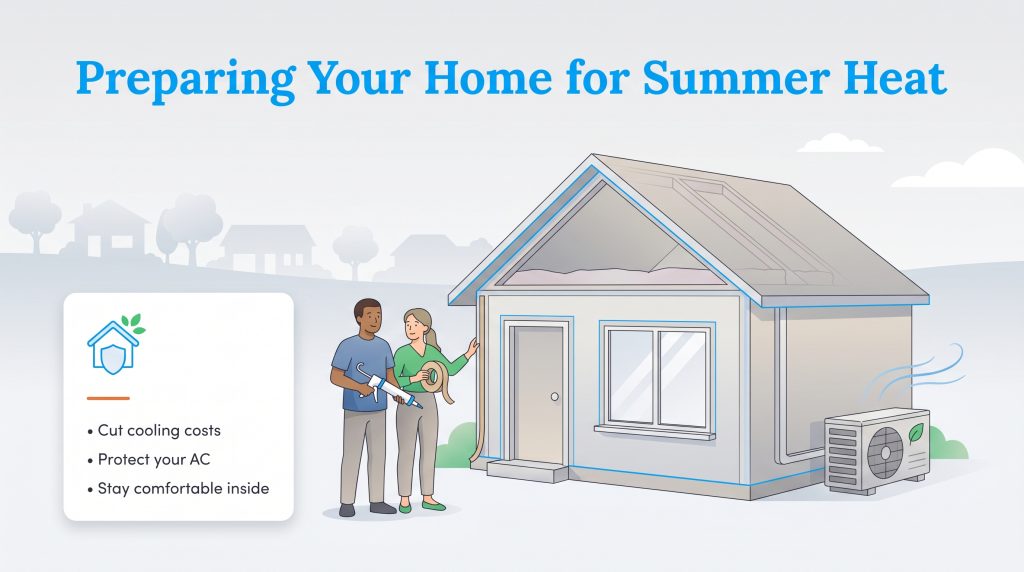
Moving into a new home brings an endless to-do list, making it incredibly tempting to push climate efficiency aside while you unpack boxes. Yet, if you want to protect your budget, finishing these seasonal preparations before the first 90-degree day hits is non-negotiable. Preparing your home envelope aggressively slashes your cooling costs and prevents your air conditioner from working itself into an early grave. Take these three critical final steps to guarantee your ultimate comfort:
- Finalize your air sealing: Double-check all newly applied caulk and weatherstripping to ensure the materials cured correctly without any gaps.
- Lock in your thermostat schedule: Verify that your smart thermostat correctly reflects your summer working hours, allowing it to autonomously save energy while you are away.
- Review deeper maintenance strategies: Expand your knowledge by reading our comprehensive summer cooling maintenance tips to keep your HVAC system running smoothly through August.
Once you master these basic seasonal tasks, you might consider researching broader sustainable living ideas and long-term solar energy upgrades to further offset your electricity usage in the future. You deserve a relaxing, consistently cool environment after a long day of work, without the anxiety of a massive impending utility bill. Grab a tube of silicone caulk, close those thermal curtains, and enjoy the immediate comfort that comes with a beautifully sealed home.
Frequently Asked Questions About Spring Weatherization
What are the most cost-effective spring weatherization tips?
What is the most cost-effective way to weatherize windows for spring?
How often should I schedule spring HVAC maintenance?
How often should I replace my HVAC filter in the spring?
What is the best weatherstripping material for windows and doors?
Can DIY spring weatherization actually lower utility bills in spring?
Is weatherstripping necessary in the spring and summer?
Can renters weatherize their apartments without losing their security deposit?
When should I hire a professional instead of using a weatherization kit?
How do I know if my home has air leaks?
Does weatherstripping help reduce indoor spring allergies?
About the Author

LaLeesha has a Masters degree in English and enjoys writing whenever she has the chance. She is passionate about gardening, reducing her carbon footprint, and protecting the environment. She also recently served as President of the Board for City Sprouts (a community garden).

David has been an integral part of some of the biggest utility sites on the internet, including InMyArea.com, HighSpeedInternet.com, BroadbandNow.com, and U.S. News. He brings over 15 years of experience writing about, compiling and analyzing utility data.