
Comparing SCANA Energy And Walton Gas Helps You Find The Right Marketer For Your Georgia Home By Evaluating Rates, Contract Terms, And Customer Perks
Key Takeaways
- SCANA Energy offers flexible plan structures, including fixed, variable, and introductory rates for new customers.
- Walton Gas is known for transparent, straightforward pricing and strong ties to local Georgia communities.
- Both marketers operate on the Atlanta Gas Light network, meaning your physical gas delivery and emergency response will typically remain the same regardless of who you choose.
Choosing a natural gas provider in a deregulated market can feel overwhelming, but comparing SCANA Energy vs. Walton Gas makes the entire process much easier. It is important to know right away that physical gas delivery and emergency responses remain identical because both companies use the Atlanta Gas Light (AGL) pipeline network. The real differences between these top-rated Georgia natural gas marketers lie in their pricing structures, customer service charges, and plan flexibility. We are here to help you confidently navigate the best natural gas providers in Georgia, so you can lock in a reliable rate that perfectly aligns with your household budget and lifestyle.

- $0.399 /THM
- $5.95-6.95
- None
- 1-36 Months

- $0.779 /THM
- $5.95
- None
- 1-24 Months
*rates may vary by location and household usage
SCANA Energy Vs Walton Gas At A Glance
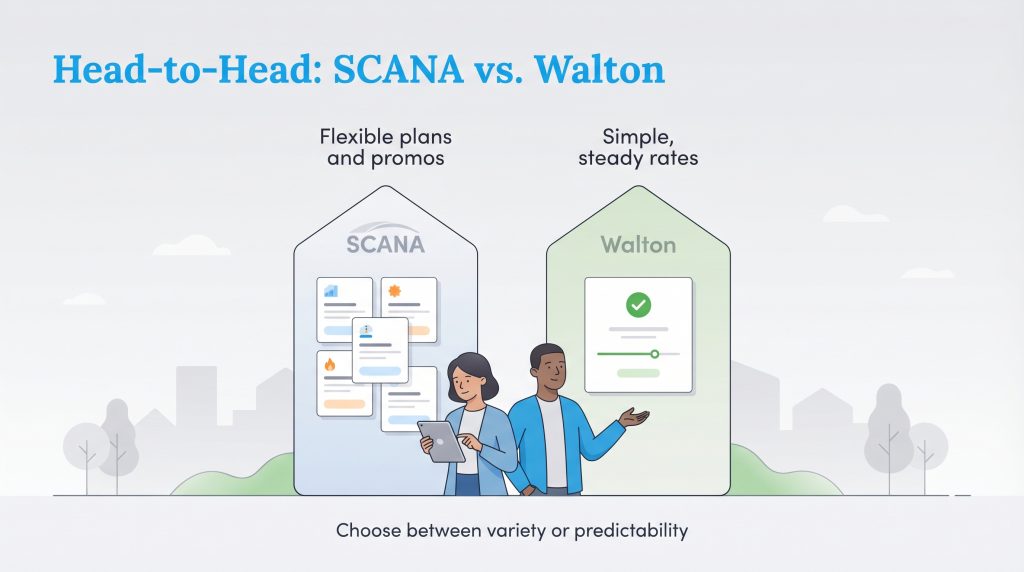
When deciding between these two prominent providers, you need a clear, upfront look at how their actual costs stack up. SCANA Energy serves as Georgia’s official regulated provider, offering flexible solutions for nearly any financial situation. Their key selling points include flexible fixed and variable plans designed for budget stability, introductory promotional bill credits for new users, and specific regulated low-income assistance programs.
| Plan Name | Rate | Plan Type | Base Charge | Cancellation Fee | |
|---|---|---|---|---|---|
| Introductory Variable Rate - $100 Bill Credits | $0.399 /THM | 1 Months Month to Month Rate | $5.95 MRC (Monthly Recurring Charge) is a fixed monthly fee charged by the energy provider, separate from the cost of the energy you use. | Check Availability | |
| 18 Month | $0.489 /THM | 18 Months fixed rate Rate | $9.95 MRC (Monthly Recurring Charge) is a fixed monthly fee charged by the energy provider, separate from the cost of the energy you use. | $200 | Check Availability |
| 12 Month | $0.499 /THM | 12 Months fixed rate Rate | $9.95 MRC (Monthly Recurring Charge) is a fixed monthly fee charged by the energy provider, separate from the cost of the energy you use. | $150 | Check Availability |
| 6 Month | $0.589 /THM | 6 Months fixed rate Rate | $6.95 MRC (Monthly Recurring Charge) is a fixed monthly fee charged by the energy provider, separate from the cost of the energy you use. | $150 | Check Availability |
| 24 Month | $0.599 /THM | 24 Months fixed rate Rate | $9.95 MRC (Monthly Recurring Charge) is a fixed monthly fee charged by the energy provider, separate from the cost of the energy you use. | $250 | Check Availability |
| 36 Month | $0.649 /THM | 36 Months fixed rate Rate | $9.95 MRC (Monthly Recurring Charge) is a fixed monthly fee charged by the energy provider, separate from the cost of the energy you use. | $300 | Check Availability |
Walton Gas Plan Transparency And Cost Breakdown
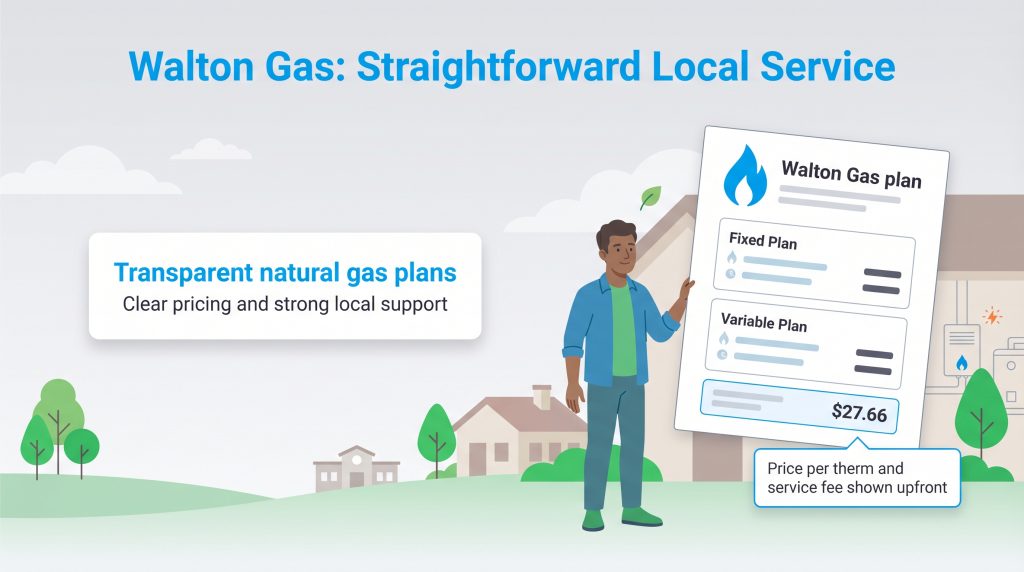
Conversely, Walton Gas champions a straightforward approach to home energy without confusing gimmicks. Born from a trusted regional cooperative, they consistently rank high for customer satisfaction thanks to their transparent pricing model, lack of expiring promotional discounts, and deep community ties across Georgia. If you are exploring your natural gas options, the table below provides a detailed breakdown of how their core offerings stack up against each other.
| Metric | SCANA Energy | Walton Gas |
|---|---|---|
| Monthly Customer Service Charge (CSC) | $5.95 – $6.95 typically | $5.95 standard |
| Term Length Options | 6, 12, 18, and 24-month plans | 6, 12, and 24-month plans |
| Deposit Requirements | Flexible options and no credit check programs | Standard hard credit check required |
| Early Termination Fees (ETF) | Up to $200 for breaking multi-year contracts | $100 – $150 depending on term length |
Understanding Your Natural Gas Bill AGL Charges Vs Supplier Rates
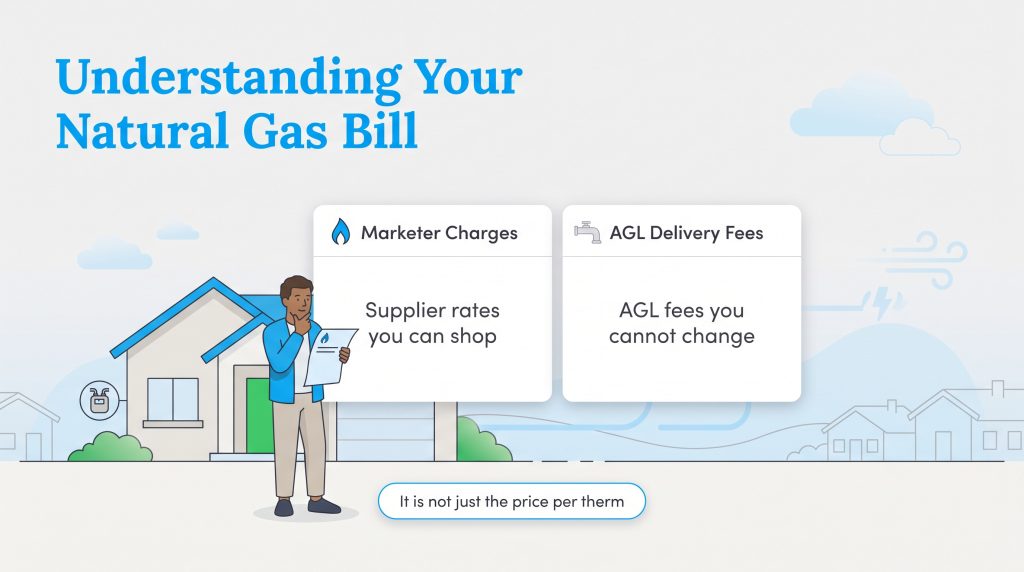
Navigating Georgia’s deregulated energy landscape requires understanding your natural gas bill and exactly what you are paying for each month. To accurately gauge your future bills, you must look closely at the elements you can actually control by switching marketers versus the mandatory utility fees that sit quietly on your statement. Simply locking in the lowest Price Per Therm — the rate your chosen marketer charges for the actual natural gas supply — will not give you the full financial picture.
Factoring In The Atlanta Gas Light Pass Through Charge
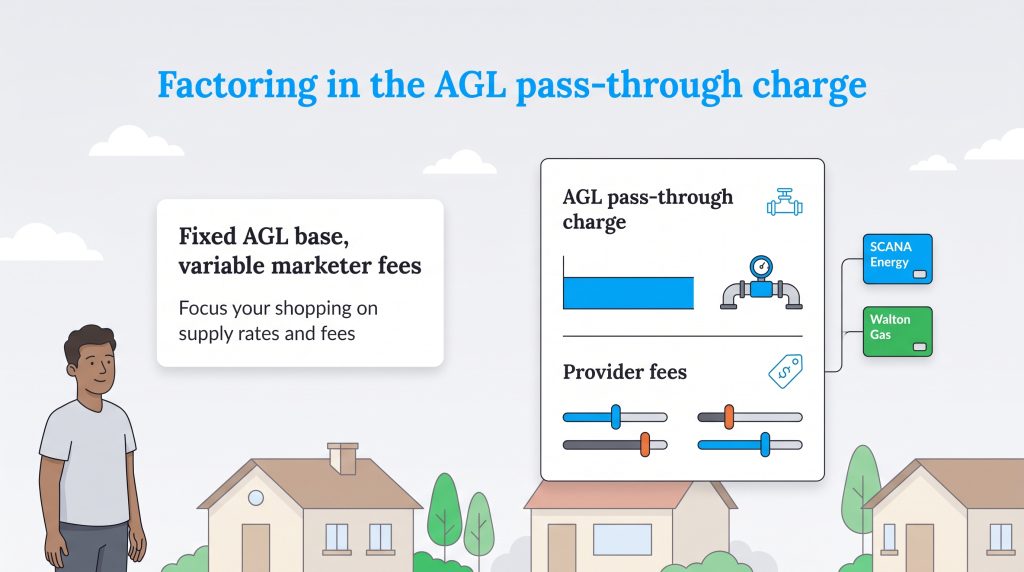
The other primary component includes the AGL Pass-Through Charges. This is a specialized, fluctuating baseline fee collected by Atlanta Gas Light to cover the intense cost of maintaining physical pipelines, reading local meters, and safely delivering fuel directly to your property. Neither SCANA Energy nor Walton Gas controls this AGL Base Charge, and it remains exactly the same no matter which marketer you choose. Understanding this split empowers you to focus strictly on negotiating the marketer supply rates and fees.
Rate Comparison Fixed Vs Variable Plans
When evaluating SCANA Energy vs Walton Gas rates, your most critical decision is choosing between a fixed or variable contract. Understanding the financial impact of different plan structures ensures you don’t get hit with unexpected spikes during the winter months. Here is how the primary plan options compare:
- Introductory Fixed Rates: These plans offer excellent promotional discounts for your first few billing cycles, but they require you to monitor expiration dates closely to avoid reverting to a higher standard rate.
- Long-Term Fixed Rates: We strongly recommend locking in a 12-to-24-month fixed contract to secure predictable billing and completely avoid seasonal market price spikes.
- Month-to-Month Variable Rates: Variable plans offer flexibility without early termination penalties, making them ideal if you plan to move soon. However, these rates fluctuate wildly with market conditions, which can lead to surprisingly high bills during peak heating season.
Regardless of which structure you select, always make it a habit to evaluate the Georgia natural gas comparison market annually when your contracts expire to ensure you are still getting a competitive deal.
💸 Money-Saver: Many shoppers successfully compare and lock in new rates during the shoulder seasons of spring or fall when market demand is typically lower.
Customer Service Charges And Hidden Fees
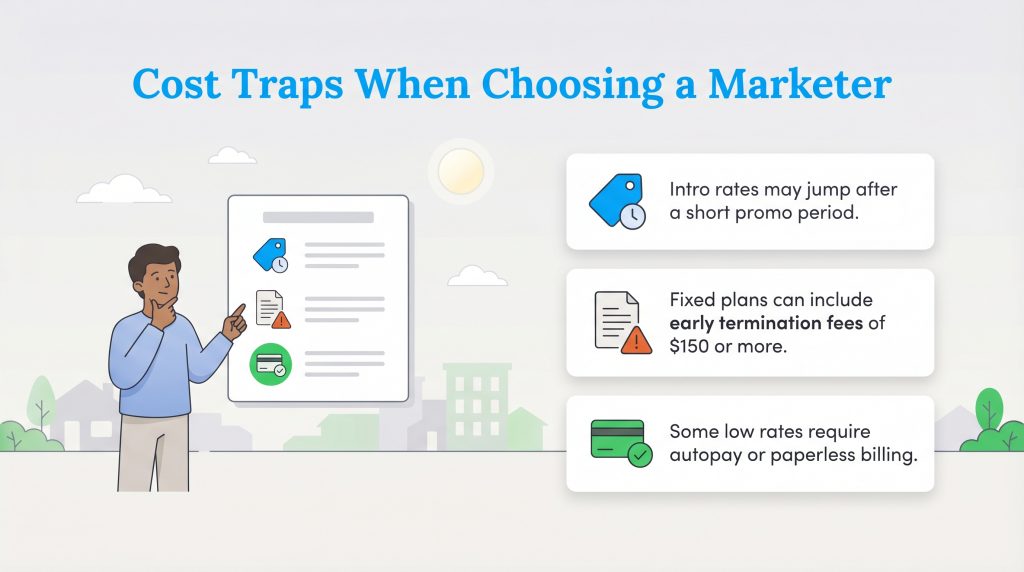
Beyond the price per therm, you must uncover the secondary administrative costs that influence your final monthly bill. The most common hidden cost is the monthly Customer Service Charge (CSC). This is a fee your provider charges just to maintain your active account, even if you use zero gas during the summer months.
When looking at Georgia gas marketer customer service charges, SCANA Energy charges a typical fee range of $5.95 to $6.95 every single month. In comparison, Walton Gas typically relies on a standard $5.95 monthly administrative fee. While a dollar or two might seem negligible, these costs add up over a two-year contract.
If you are currently locked into a poor contract and want to learn how to switch natural gas providers, you must also carefully navigate early termination fees (ETFs). Leaving a fixed-rate contract early triggers a financial penalty designed to keep you locked in. SCANA charges up to $200 for breaking a multi-year fixed contract, whereas Walton Gas is slightly more forgiving, capping their ETF between $100 and $150.
🚩 Heads Up: Because Atlanta Gas Light handles the physical infrastructure, switching your marketer will typically not cause an interruption in your home’s actual gas service.
Senior Discounts Low Income Assistance And Customer Perks
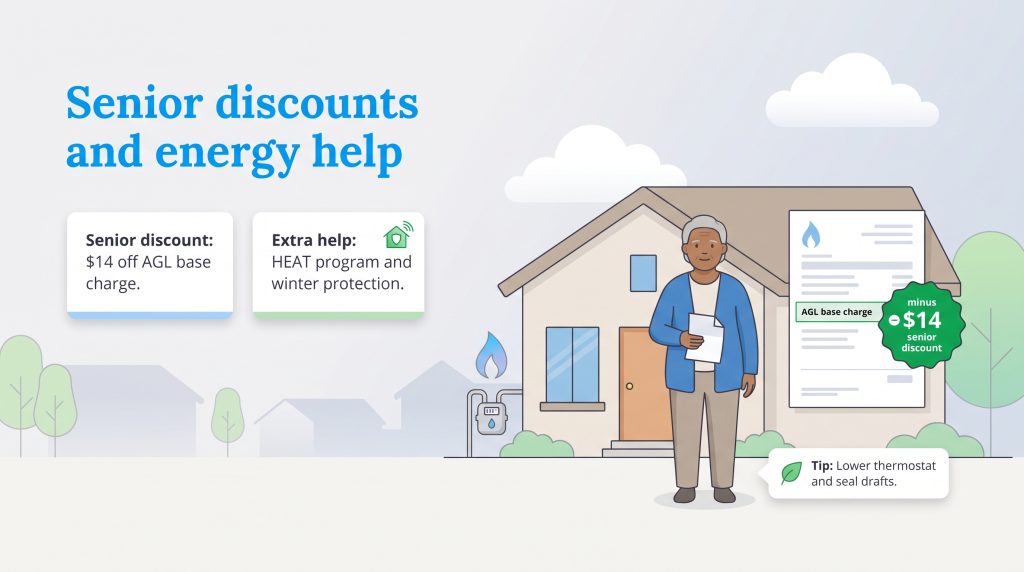
Both SCANA Energy and Walton Gas provide essential support for qualifying households. If you are 65 or older and have a total combined household income of $31,713 or less, you can qualify for the standard $14.00 Atlanta Gas Light senior discount. This state-approved discount is applied directly to your AGL Base Charge regardless of which marketer you use.
Additionally, both marketers actively participate in statewide low-income support networks, including the Home Energy Assistance Team (H.E.A.T.) program. SCANA Energy, serving as the state’s regulated provider, offers even deeper regulated assistance plans specifically designed to protect vulnerable households from winter disconnections. Walton EMC natural gas rates often come with unique community-driven customer perks, such as local scholarship funding and energy conservation workshops that help you maximize efficiency. Both are highly viable if you are seeking an energy-saving option for your household.
🌱 Eco Edge: Lowering your thermostat by just a few degrees while you sleep and using weatherstripping on drafty windows can noticeably reduce your natural gas consumption during the colder months.
Evaluating Your Household Natural Gas Needs
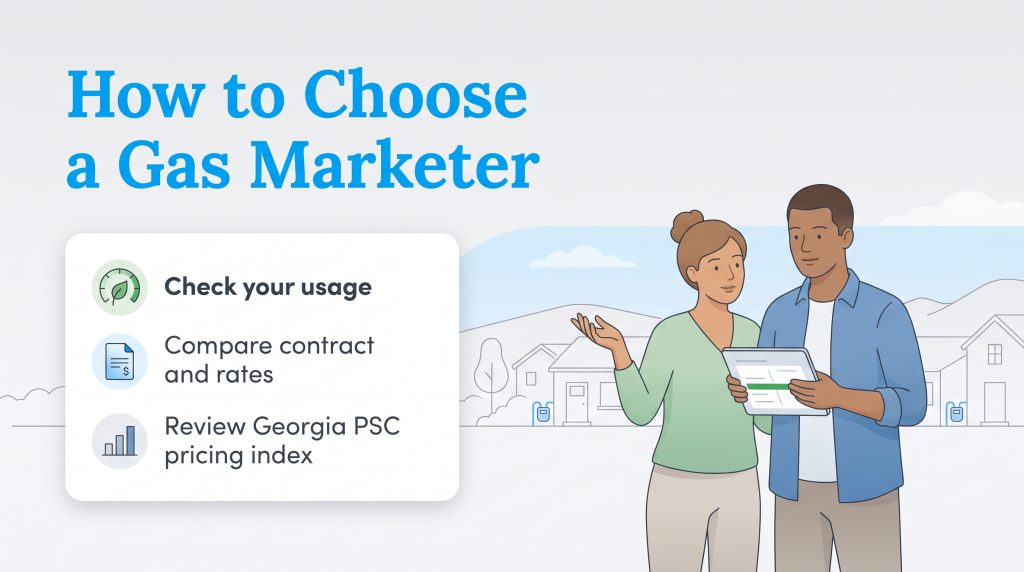
Selecting the right marketer involves evaluating your own specific lifestyle, budget constraints, and consumption habits. Whether you are simply upgrading your winter services or actively setting up utilities in a new home, taking the time to assess your needs prevents overpaying later. You should review past bills to understand your usage patterns and check the Georgia PSC marketer pricing index for a baseline understanding of fair market rates.
Selecting The Best Natural Gas Plan For Your Home
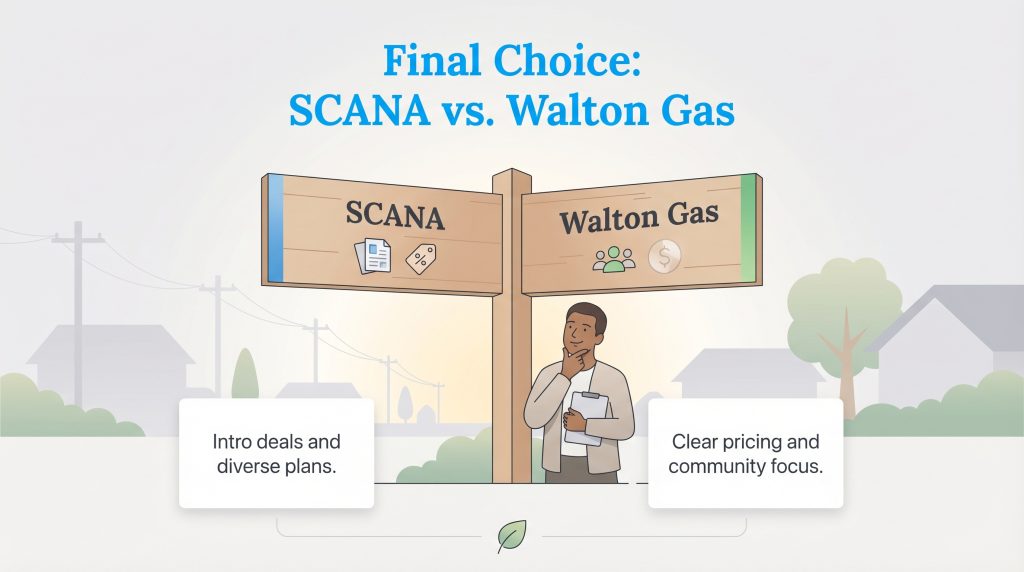
Combining the right marketer with proactive habits, like exploring Atlanta Gas Light’s detailed guide to reducing your overall gas footprint, ensures you maintain a comfortable, affordable household year-round. Ultimately, providing a definitive recommendation between these two excellent companies comes down to identifying your primary financial needs.
- Choose SCANA Energy if: You need credit flexibility, require regulated low-income assistance, or want to capitalize on steep introductory rate discounts for short-term savings.
- Choose Walton Gas if: You prioritize transparent billing, hate hidden administrative fees, and want highly-rated, locally based customer support you can actually trust.
Frequently Asked Questions About SCANA Energy Vs Walton Gas
Do both SCANA Energy and Walton Gas use Atlanta Gas Light (AGL) pipelines?
Yes, both providers rely entirely on the Atlanta Gas Light pipeline network. AGL manages the physical delivery of natural gas to your home, maintains the local infrastructure, and responds to all emergency leaks, regardless of which marketer you choose for your billing and rate plan.
Is SCANA Energy or Walton Gas cheaper per therm?
The cheaper provider changes frequently based on wholesale market fluctuations and the specific contract tier you choose. We advise comparing their current per-therm rates alongside their monthly customer service charges to get a mathematically accurate assessment for your household.
Which provider has a lower monthly customer service charge (CSC)?
Walton Gas generally offers a slightly lower and more predictable monthly customer service charge, standardizing their fee at $5.95. SCANA Energy typically charges a variable monthly administrative fee ranging from $5.95 to $6.95 depending on your specific account and plan type.
Is it better to choose a fixed or variable natural gas rate in Georgia?
We highly recommend choosing a 12-to-24-month fixed natural gas rate. Fixed plans protect you from seasonal market volatility and unexpected price spikes during the peak winter heating season, whereas variable rates fluctuate monthly and can lead to expensive surprises on your bill.
Do SCANA Energy or Walton Gas require a hard credit check to open an account?
Yes, Walton Gas requires a standard hard credit check and may assess an upfront deposit based on your credit history. SCANA Energy also performs credit checks but serves as the state’s regulated provider, allowing them to offer specialized no-credit-check options and flexible programs for households struggling with poor credit.
Who handles gas leaks if I choose SCANA or Walton Gas?
Atlanta Gas Light handles all emergency services, meaning you must know what to do if you smell gas and report suspected leaks directly to them rather than your marketer. Physical line damages and hazard responses are strictly managed by AGL.
Can I switch from SCANA Energy to Walton Gas without losing service?
Yes, switching marketers in Georgia is a completely seamless process that won’t disrupt your physical gas delivery. Because Atlanta Gas Light manages the infrastructure, your actual supply remains constant while your billing provider changes.
About the Author

David has been an integral part of some of the biggest utility sites on the internet, including InMyArea.com, HighSpeedInternet.com, BroadbandNow.com, and U.S. News. He brings over 15 years of experience writing about, compiling and analyzing utility data.