
Key Takeaways
- Rate Increase: Duke Energy Ohio’s natural gas supply rate has jumped to $0.6305 per CCF effective February 2, 2026, a significant increase from January’s unusually low rate of $0.2834.
- Why It’s Happening: A “perfect storm” of market conditions—including a financial “short squeeze” and an Arctic blast that froze 15% of U.S. production—drove wholesale prices higher.
- Bill Impact: Due to the combined effect of colder weather and higher rates, typical residential bills could increase by $30 to over $100 this month compared to January.
- Action Steps: Residents can offset costs through thermostat adjustments, enrolling in Budget Billing, or shopping for a lower fixed rate on the Energy Choice Ohio marketplace.
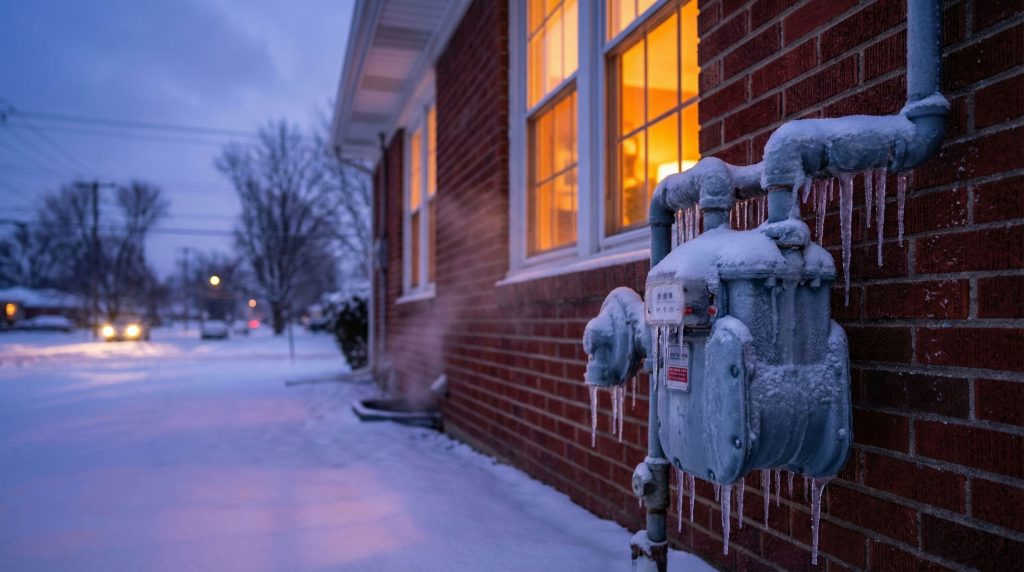
Starting today, February 2, 2026, households in Southwest Ohio heating with natural gas will see a sharp change in their energy costs. Duke Energy Ohio has adjusted its Gas Cost Recovery (GCR) rate to $0.6305 per hundred cubic feet (CCF).
This new rate represents a steep increase from January’s rate of $0.2834 per CCF. While rates are higher, Duke Energy customers are shielded from the worst of the market volatility compared to neighbors served by other utilities, some of whom are seeing rates exceeding $1.00 per CCF this month due to different pricing mechanisms.
Why Are Rates Changing?
The price hike isn’t arbitrary. Under Ohio law, Duke Energy passes the cost of natural gas directly to consumers without a profit markup. The current rate reflects a turbulent month in the North American energy market.
In late January, a severe “Arctic Blast” swept through major drilling regions, causing wellheads to freeze and knocking approximately 15% of U.S. gas production offline. At the same time, financial markets experienced a “short squeeze,” where traders betting on falling prices were forced to buy contracts aggressively as the cold weather hit, driving wholesale prices to levels not seen in recent years.
Which Cities Are Impacted?
This rate change applies to all residential and small commercial customers in the Duke Energy Ohio service territory who have not already switched to a third-party supplier. Impacted communities include:
- Hamilton County: Cincinnati, Norwood, Reading, Forest Park, and surrounding suburbs.
- Butler County: Hamilton, Middletown, West Chester, Fairfield, and Monroe.
- Warren & Clermont Counties: Mason, Loveland, Batavia, and Milford.
- Outlying Areas: Bethel, Williamsburg, and Georgetown.
The Impact on Your Wallet
The timing of this increase creates a “double whammy” for consumers: usage is up because it is cold, and the price per unit has doubled since last month.
- Apartments/Condos: A typical efficiency using 70 CCF could see a bill increase of roughly $33 compared to January.
- Single-Family Homes: An average home using 130 CCF may see bills jump by $55.
- Large/Historic Homes: Owners of larger, older homes in areas like Hyde Park or Middletown could face bill increases exceeding $100 for a single month of service.
Find Natural Gas Providers In Ohio
4 Ways to Offset the Increase
If you are concerned about your upcoming bill, there are immediate steps you can take to mitigate the impact.
1. Adjust Your Thermostat The most effective way to lower a bill is to use less gas. Lowering your thermostat by just 7°F to 10°F for 8 hours a day (such as while you sleep or are at work) can save up to 10% a year on heating and cooling costs.
2. Shop for a Better Rate Ohio is an “Energy Choice” state, meaning you can fire your utility as a supplier while keeping them as your distributor. Currently, some competitive suppliers may offer fixed rates lower than Duke’s $0.6305.
- Check Rates Here: Visit the PUCO Apples to Apples Comparison Chart to see offers available in your zip code. Tip: Look for fixed-rate plans with no monthly fees or early termination penalties.
3. Enroll in Budget Billing If you want to avoid a massive spike in your February and March bills, consider Duke’s Budget Billing Program. This program averages your annual usage into equal monthly payments, smoothing out the winter peaks.
4. Check Your Eligibility for Assistance For households struggling to pay, state programs are available:
- Winter Crisis Program: Provides up to $175 to maintain or restore service for those facing disconnection (Available through March 31).
- PIPP Plus: Allows eligible low-income households to pay a percentage of their income (6%) toward their gas bill rather than the full amount. Apply for PIPP Plus here.
Looking Ahead
While prices are high now, relief may be on the horizon. Gas demand typically drops as spring approaches, and Duke Energy Ohio is scheduled to transition to a new auction-based pricing model (Standard Service Offer) starting April 1, 2026. This structural change is expected to bring competitive bidding to the default rate, potentially stabilizing prices for the rest of the year.
About the Author

David has been an integral part of some of the biggest utility sites on the internet, including InMyArea.com, HighSpeedInternet.com, BroadbandNow.com, and U.S. News. He brings over 15 years of experience writing about, compiling and analyzing utility data.