
Streamline the moving process by organizing utility transfers, accessing senior-specific benefits, and ensuring essential services are ready on day one.
Key Takeaways
- Create a centralized “Utility Folder” with account numbers, medical device requirements, and previous addresses to speed up provider calls.
- Request “Priority Restoration” status from electric companies if you or a family member relies on oxygen concentrators or other medical equipment.
- Ask for senior discounts and low-income assistance programs like LIHEAP or Lifeline to reduce monthly costs from the start.
Moving is stressful, and that pressure only increases when you’re managing the transition for yourself as a senior or helping an aging parent relocate. We created this guide to serve as your master resource for handling the logistics of your move while prioritizing safety and financial security. By taking a methodical approach to your utilities, you can ensure essential services like electricity and heat are running the moment you walk through the door, all while securing critical medical protections and available discounts.
Gathering Your Information Before You Call: Your Utility Setup Checklist
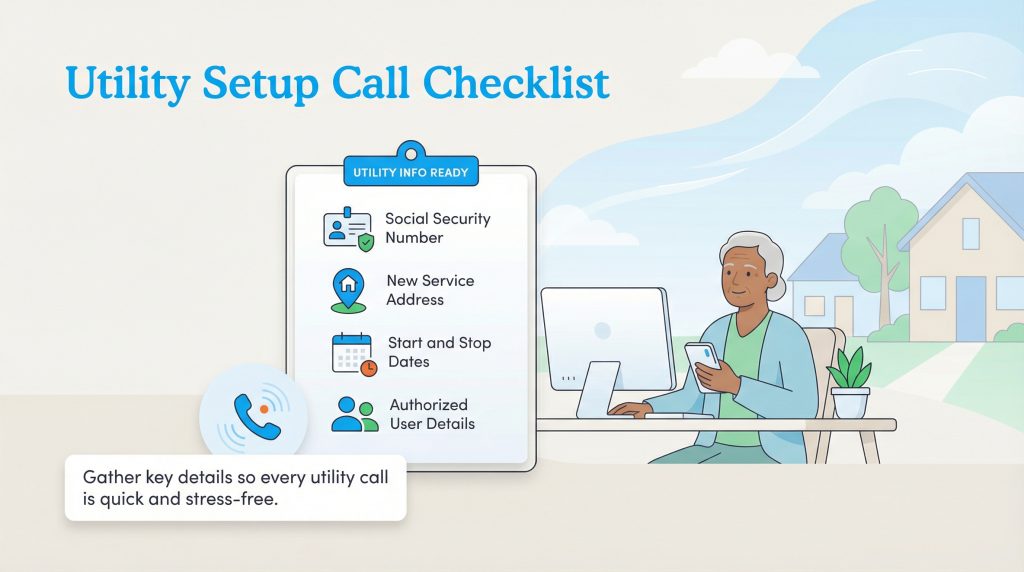
Nobody enjoys waiting on hold only to realize they’re missing a crucial piece of information. You can prevent “call-back” fatigue by gathering the necessary data before picking up the phone. Having a dedicated moving checklist for seniors utilities ensures you can breeze through verification questions and get straight to business.
Keep the following documents and details in front of you during every call:
- Social Security Number: Most providers require this for identity verification and credit checks.
- Complete New Address: Ensure you have the exact street address, unit or apartment number, and zip code.
- Important Dates: Know exactly when you need service stopped at the old residence and started at the new one.
- Authorized User Information: If you are a caregiver calling on behalf of a parent, have their information ready alongside your own identification.
Setting Up Electricity and Gas Services
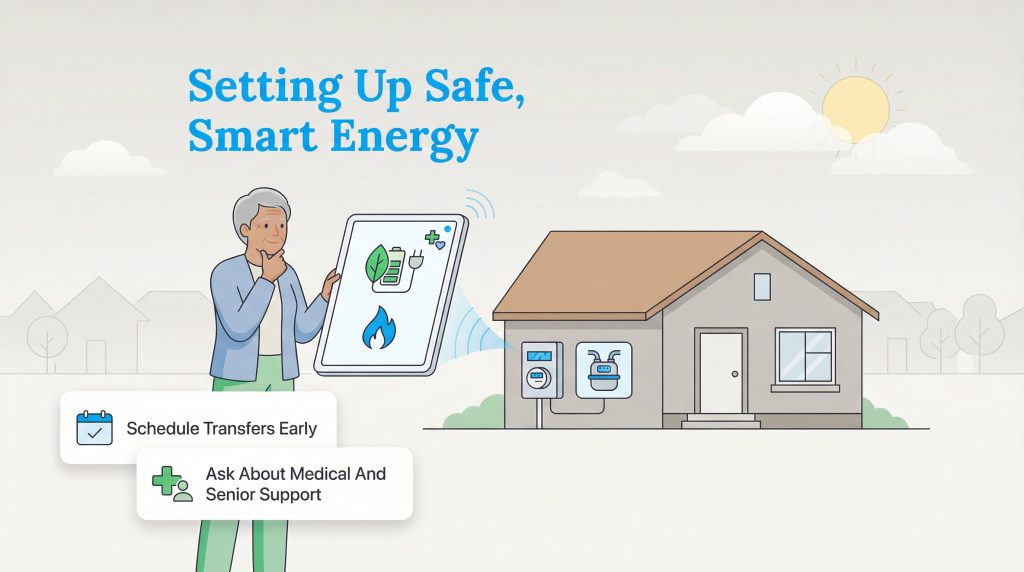
Your energy services are the lifeline of your new home. While transferring service might seem standard, this is the best time to optimize your account for health, safety, and savings. We recommend contacting providers at least two weeks before your move date to guarantee a seamless transition.
Scheduling the Transfer
When you call to schedule your service transfer, be clear about your dates. If you are downsizing or taking over a bill after a spouse’s passing, you may need to ask specifically about setting up the electric bill in a new name. This often requires a few extra steps, such as providing a death certificate or power of attorney, so allowing extra time is essential.
If you are moving to a deregulated energy market, you have the power to choose your supplier. If you’re happy with your current provider and moving within the same service area, sticking with them is usually the simplest option. However, if you’re moving to a new region or rates have gone up, switching providers might lock in a lower rate for the long term. We suggest comparing electric providers to find a plan that fits your usage patterns. If sustainability is a priority for you, look for plans that include renewable energy options to reduce your carbon footprint while keeping the lights on.
Medical Priority Restoration
One of the most overlooked aspects of utility setup is securing priority utility services for medical needs. Many utility companies maintain a “critical care” or “medical priority” list. If you or a family member relies on electrically powered medical devices, such as oxygen concentrators, kidney dialysis machines, or CPAP devices, ask your utility to list that equipment on your account.
Being on this list notifies the utility company that your home is a high-priority location during power outages. While it does not guarantee that power will never go out, it ensures you are among the first to be restored or notified during emergencies. Policies differ by company, so ask your provider exactly what their critical care status includes.
Asking for Discounts
Customer service agents rarely offer discounts unless you ask for them directly. It pays to be proactive. When you are on the phone, use a simple script to uncover potential savings:
“I am a senior on a fixed income. Do you offer age-based waivers for deposit fees or low-income rate protections?”
Even if a senior discount isn’t advertised, many companies can waive connection fees or security deposits for customers over the age of 65 with good credit history.
Navigating Internet, Phone, and TV Plans

Staying connected is vital for safety and social well-being. However, seniors are often targeted for high-priced bundles that include features they don’t need. When shopping for the best internet plans for seniors, focus on reliability and straightforward billing rather than blazing-fast gigabit speeds that are overkill for browsing emails or video calling grandchildren. For example, you likely need a plan that supports video calling and streaming in HD, but you don’t need a “gamer-tier” package with 1,000 Mbps speeds. Learn more about How Much Speed You Need.
Many seniors still prefer a landline for its reliability during emergencies and familiarity. If you want to keep a home phone, ask about “double-play” bundles that combine internet and phone services at a reduced rate. Avoid getting upsold on premium cable packages if you primarily watch local news and network television.
For eligible low-income seniors, the federal Lifeline Support program offers a monthly discount on phone or internet services. This discount can help keep essential communication lines affordable.
Water, Sewer, and Waste Management
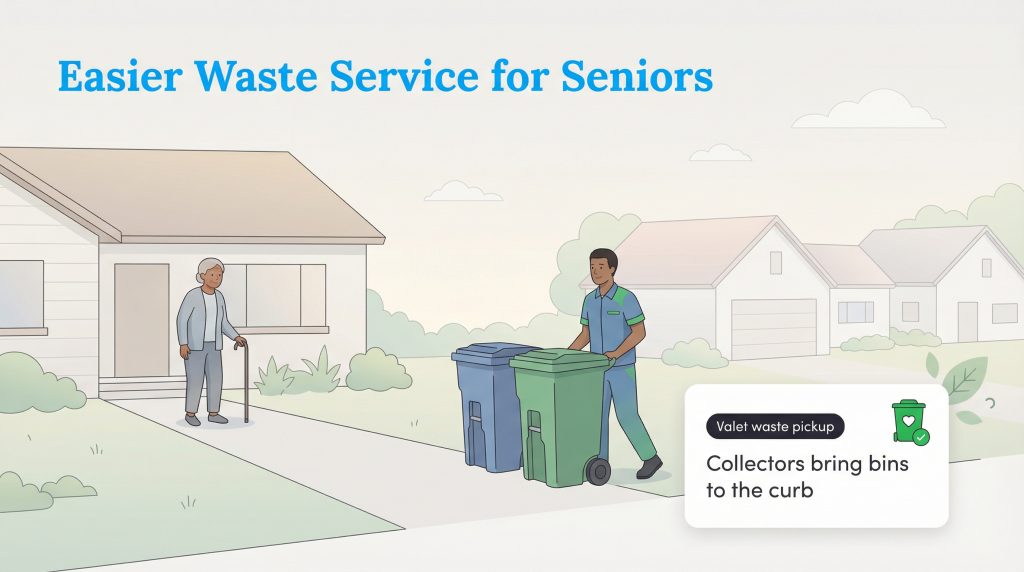
Water and sewer services are typically managed by your local municipality and are often the easiest to transfer. However, physical accessibility is a major consideration when setting up your new home for waste management.
Dragging heavy trash and recycling bins to the curb can be difficult or dangerous for some seniors. Many waste management companies offer “valet service” or “door service” specifically for elderly residents or those with mobility challenges. With this service, the collectors will walk up your driveway to retrieve the bins and return them after emptying. It’s a small service that can make a big difference in day-to-day independence.
Protecting Yourself From Utility Scams
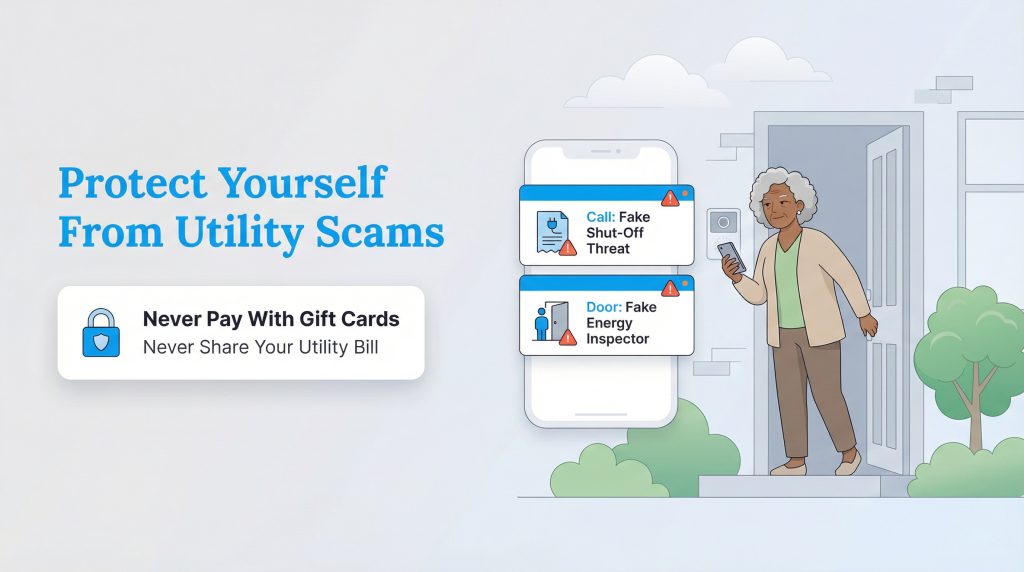
Scammers unfortunately view seniors as prime targets, especially during the chaos of a move. It’s important to recognize the warning signs of utility fraud to keep your identity and money safe. Common scams include callers claiming to be from the electric company, threatening to shut off power immediately unless payment is made via a prepaid debit card or gift card.
Be just as cautious with people showing up at your door claiming they need to perform an “energy audit” or see your bill to offer a lower rate. Never show your utility bill to a stranger, as they can use your account number to switch your service without your permission, a practice known as “slamming.”
Financial Assistance and Energy Optimization
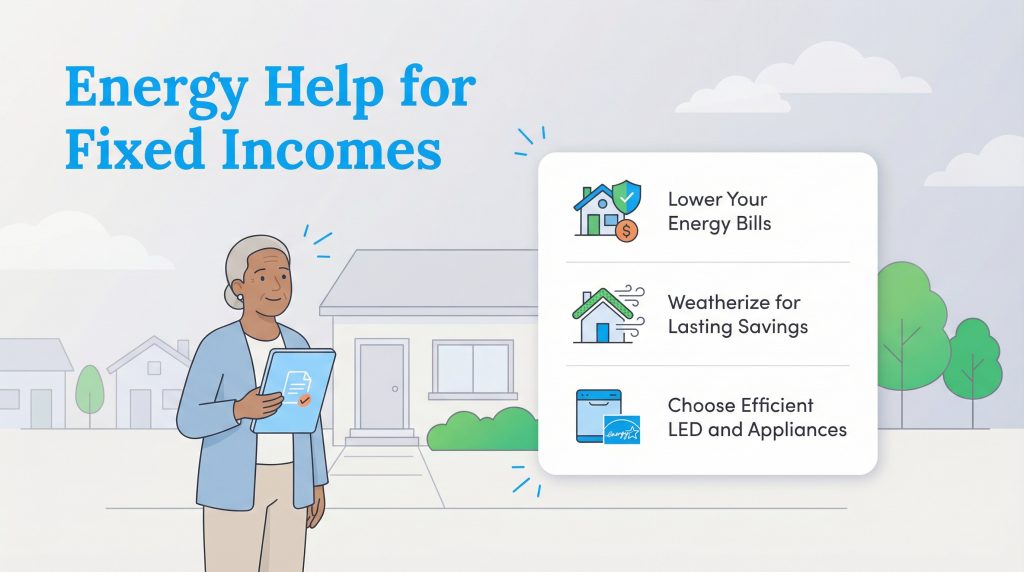
If you are living on a fixed income, managing monthly utility costs is just as important as setting them up. Several government and organizational programs exist to help lighten the load. The Low Income Home Energy Assistance Program (LIHEAP) is a federal program that assists eligible households with heating and cooling energy costs.
You can find details on how to apply through the Office of Community Services website. Additionally, you should investigate the Weatherization Assistance Program (WAP), which provides funding to make homes more energy-efficient. This reduces your bills permanently by improving insulation and sealing drafts.
Searching for “senior citizen energy assistance programs” or “utility discounts for seniors” in your specific county can also yield local results from non-profits. For day-to-day reductions, adopting simple energy-saving habits like adjusting your thermostat or using LED bulbs can keep your new home comfortable and affordable. You can also look for the ENERGY STAR label when purchasing new appliances to ensure they meet strict efficiency guidelines.
Learn more about Assistance for Utility Bills
Enjoying Comfort and Peace of Mind in Your New Home
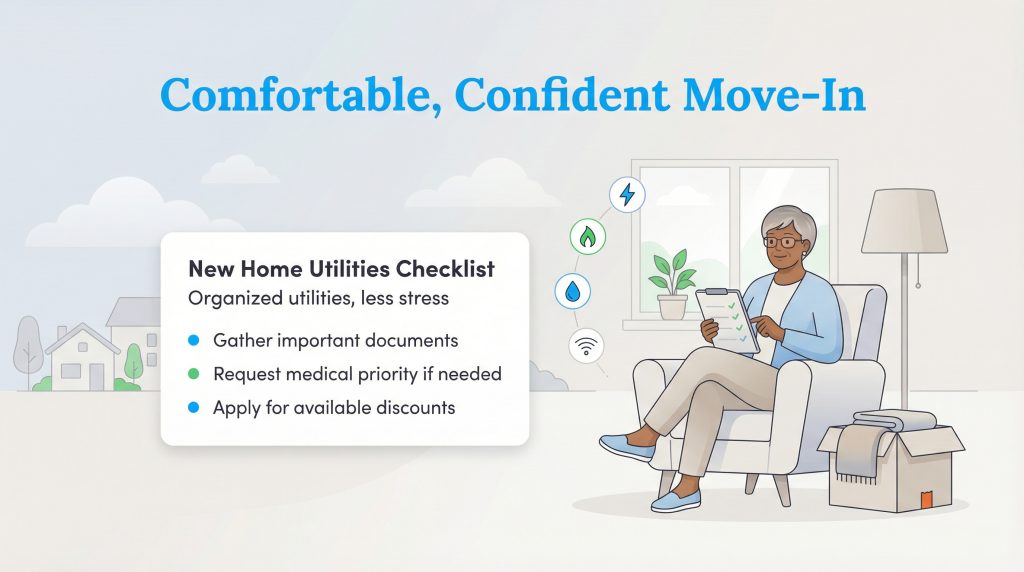
Setting up your utilities is about more than just ensuring the lights turn on, it’s about building a foundation of safety, budget security, and comfort in your new home. By taking the time to organize your documents, request medical priority, and secure available discounts, you remove a significant layer of anxiety from the moving process. Using this seniors utility setup guide as your checklist, you can tackle each step without feeling overwhelmed. Once the logistics are handled, you can focus on the best part of moving: settling in and making your new house feel like home.
FAQs About Setting Up Utilities For Seniors
How far in advance should seniors contact utility companies before moving?
Are there specific utility discounts available for senior citizens?
How do I set up medical priority for electricity during an outage?
Can I put utility bills in my adult child’s name?
What information is needed to transfer utilities to a new address?
Is there a government program to help seniors with internet costs?
About the Author

David has been an integral part of some of the biggest utility sites on the internet, including InMyArea.com, HighSpeedInternet.com, BroadbandNow.com, and U.S. News. He brings over 15 years of experience writing about, compiling and analyzing utility data.