

Your Wyoming Move Starts With a Realistic Budget, Reliable Heating, and Address-Specific Utility Checks
Key Takeaways
- Wyoming charges no state individual income tax, but you’ll still need to budget for winter heating demand and rural freight fees.
- Confirming heating types and internet availability by street address is critical before buying or renting a home.
- Weatherizing your home is a smart way to cut winter utility bills and lower your carbon footprint.
Trading highway commutes for open mountain views and tax relief makes moving to Wyoming an irresistible dream for many. But relocating takes more than packing warm coats and a pair of hiking boots. Preparing for winter weather, understanding private propane tanks, and finding reliable broadband across wide-open basins require real homework before the moving truck arrives. We’ll walk you through the honest pros and cons, how to budget for your household, the best communities for your lifestyle, and a step-by-step utility setup plan so you can settle into your new Wyoming home comfortably and sustainably.
Things to Know Before Moving to Wyoming: Pros and Cons
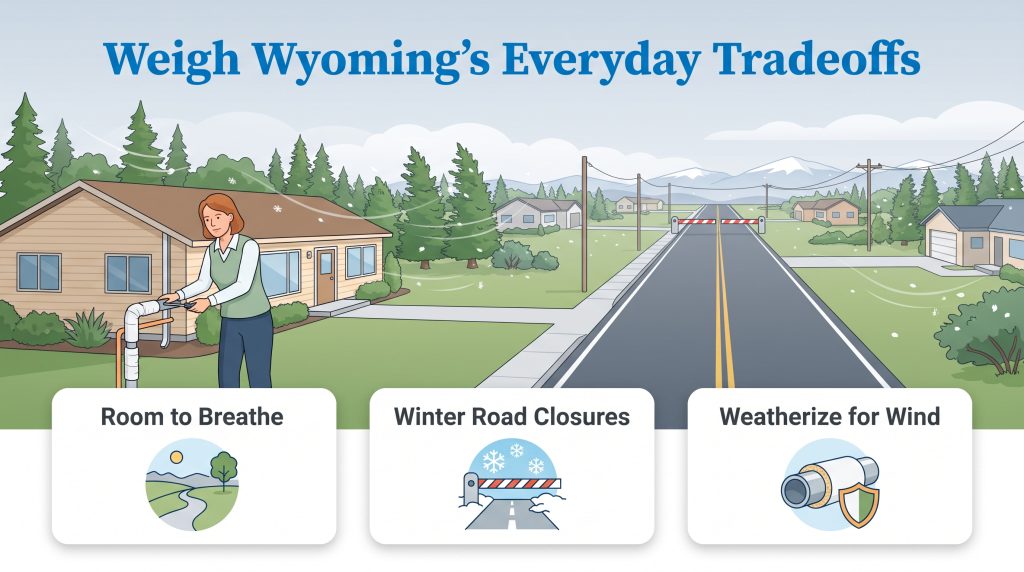
Before you pack up your life and head west, there are a few essential things to know before moving to Wyoming. As the least populated state in the nation with just under 600,000 residents, the Equality State offers low population density you simply can’t find anywhere else, anchored by icons like Yellowstone and Grand Teton National Parks. However, that famous elbow room comes with gritty day-to-day realities: frequent winter closures along Interstate 80, bone-dry high-altitude air, and potentially long drives to reach a specialty doctor or a major hardware store, depending on where you live. Weighing the pros and cons of living in Wyoming early helps you pick the right town and avoid culture shock during your first January blizzard.
| Pros of Living in Wyoming | Cons of Living in Wyoming |
|---|---|
| No state individual income tax keeps more money in your pocket. | Severe cold and high winds can create significant hazards depending on your location. |
| Unmatched access to millions of acres of public land for hiking, hunting, and skiing. | Limited specialized healthcare, big-box shopping, and commercial flights in rural counties. |
| Many tight-knit, neighborly communities with lighter traffic than major urban centers. | Heavy reliance on delivered propane, private wells, and satellite internet outside city limits. |
| Clean air (outside of wildfire season), low light pollution, and abundant solar resources. | Local job markets are heavily tied to mineral extraction and tourism booms and busts. |
Heads Up
Prepare your home’s insulation and plumbing for severe wind chill and freeze risks. High winds can accelerate home heat loss, making proper weatherization vital for keeping your pipes from freezing during a cold snap.
Cost of Living in Wyoming and Average Utility Bills
Calculating the cost of living in Wyoming depends heavily on your zip code, as everyday affordability swings wildly between mountain enclaves like Jackson Hole and working-class energy hubs like Casper or Gillette. Across the board, newcomers benefit from one of the friendliest tax structures in the country: no state individual income tax and competitive property tax rates. Still, you should always compare your full household tax burden based on your income and property size. According to the U.S. Energy Information Administration’s Wyoming State Profile, residential retail electricity rates sit comfortably below the national average, though long heating seasons still push winter energy budgets upward.
| Before You Commit to a Home | What to Confirm |
|---|---|
| Heating | Fuel type, equipment condition, service history, and past consumption. |
| Electricity and gas | Assigned utility, activation requirements, deposits, and any applicable supply-choice program. |
| Internet | Availability at the exact address, upload speed, installation timing, and total recurring cost. |
| Rural water and wastewater | Well records, water testing, septic inspection, and maintenance responsibilities. |
| Winter access | Who plows the road and driveway, and whether fuel deliveries can reach the property. |
| Rental responsibilities | Which services your landlord supplies and which accounts you must open. |
Taxes, Housing, and Everyday Expenses
Housing is where you’ll see the sharpest price divide across the state. While housing affordability depends on your income, borrowing costs, and available inventory, families often find comfortable single-family homes in Cheyenne, Casper, or Sheridan to be more attainable. Cross the Continental Divide into Teton County, however, and median home prices easily exceed national averages due to scarce private land and luxury resort demand.
Beyond your mortgage or rent, expect groceries, fresh produce, and building materials to cost more in remote towns than they do in major metro areas. Nearly every gallon of milk and sheet of plywood has to travel hundreds of miles by freight truck over high mountain passes, and those fuel surcharges show up at the local checkout register.
Planning Your Utility Budget
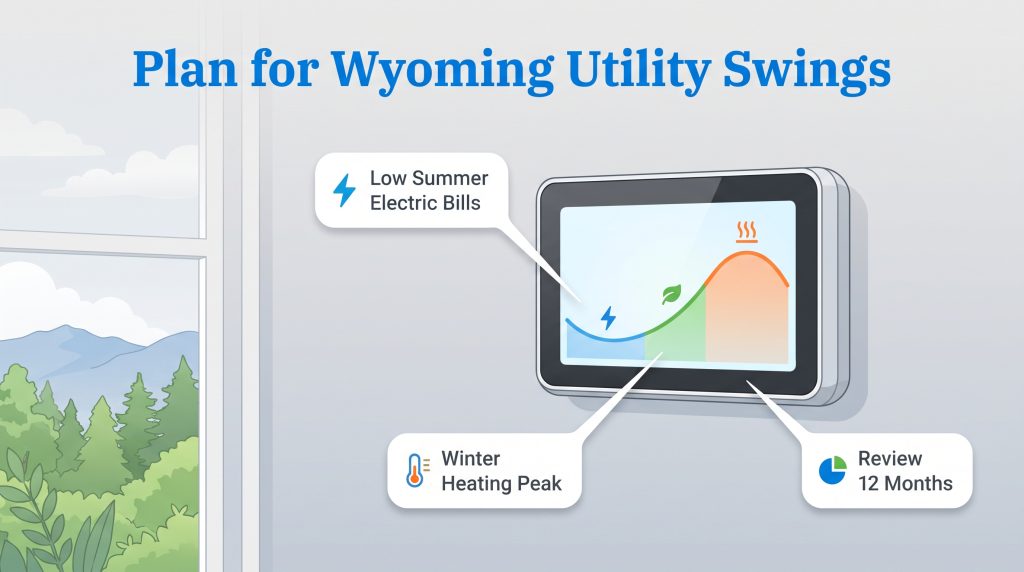
Understanding the average utility bill in Wyoming means planning for a dramatic seasonal swing. Because most Wyoming towns sit between 4,500 and 7,200 feet in elevation, summer nights cool down quickly, and many older homes don’t even have central air conditioning. Summer electric bills are remarkably light, but from November through March, heating will dominate your monthly expenses.
Your costs will depend on the home’s heating fuel, size, insulation, occupancy, and local rates. Ask for 12 months of usage and bills, then confirm current rates and account charges with each provider. For propane, review delivery records as well as any tank lease or minimum-purchase terms. Keep in mind that natural gas is commonly billed monthly based on consumption, while propane often involves periodic bulk deliveries that require careful cash-flow planning.
Money-Saver
Always ask the home seller or landlord for 12 months of past utility bills before signing a contract so you aren’t blindsided by a poorly insulated roof. Once you move in, ask about your utility provider’s budget billing program to spread winter heating spikes evenly across all 12 months of the year, though this smooths payments rather than guaranteeing overall savings.
Best Places to Live in Wyoming for Every Lifestyle
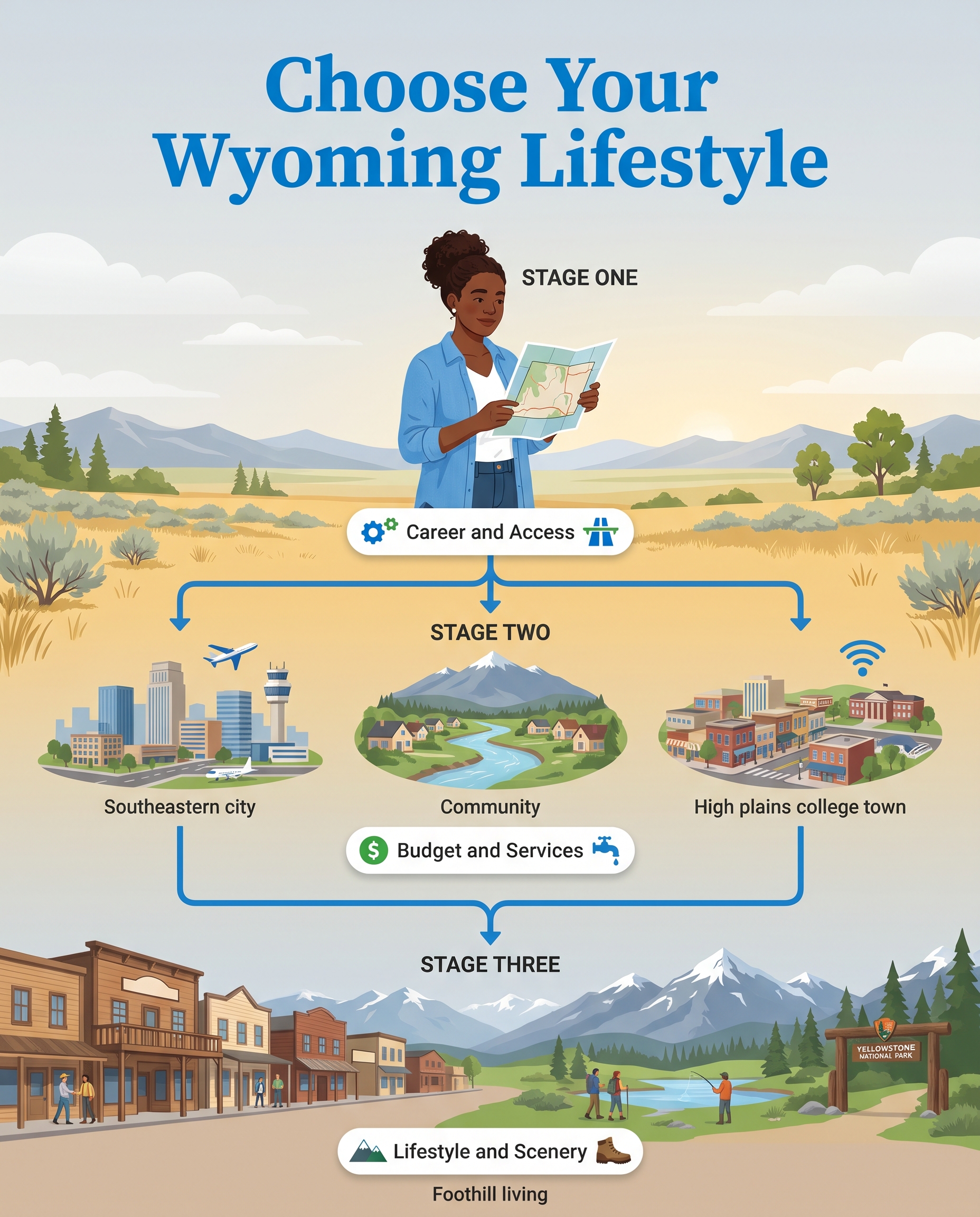
Because Wyoming communities are separated by hours of wide-open sagebrush and mountain passes, picking the right town is the biggest decision of your move. Narrowing down the best places to live in Wyoming comes down to balancing your career needs, housing budget, and appetite for urban infrastructure. Whether you need quick access to an international airport or want a quiet ranching town at the foot of the mountains, these four regions stand out for newcomers.
Cheyenne: Capital City Perks and Front Range Access
Located in the southeastern corner of the state just 90 minutes north of Denver International Airport (though winter weather can significantly delay this drive), Cheyenne is Wyoming’s largest city with roughly 65,000 residents. It offers a stable job market anchored by state government, Francis E. Warren Air Force Base, and growing data centers. For utility setup, Cheyenne is about as effortless as Wyoming gets, featuring dependable municipal water, widespread fiber internet, and combined electric and gas service through Cheyenne Light, Fuel & Power (a Black Hills Energy subsidiary).
Casper: Central Hub for Outdoor Lovers and Families
Straddling the North Platte River at the base of Casper Mountain, Casper serves as central Wyoming’s healthcare, retail, and business hub. Housing remains highly affordable compared to neighboring states, and you can leave your office at 5 p.m. to catch trophy trout or ski at Hogadon Basin 20 minutes away. Casper boasts rock-solid infrastructure, with Rocky Mountain Power handling electricity and Black Hills Energy supplying natural gas across the metro area.
Laramie: College-Town Energy at 7,200 Feet
Home to the University of Wyoming, Laramie brings lively arts, Division I athletics, and a walkable historic downtown to the high Laramie Plains. Sitting at 7,200 feet between the Snowy Range and the Laramie Mountains, the town enjoys crisp summers and early autumn snows. It is a favorite landing spot for academics, outdoor enthusiasts, and remote workers who want progressive college-town amenities alongside fast fiber broadband.
Sheridan and Cody: Mountain Foothill Towns with Western Charm
If you want postcard mountain scenery without Jackson Hole price tags, look north to Sheridan or Cody. Tucked against the eastern slope of the Bighorn Mountains, Sheridan blends historic western ranching heritage with expanding fiber internet and a vibrant main street. Further west, Cody serves as the eastern gateway to Yellowstone National Park, offering strong tourism amenities, municipal power, and easy access to the Absaroka Range for retirees and telecommuters.
Setting Up Utilities in Wyoming: Electric, Heating, and Water
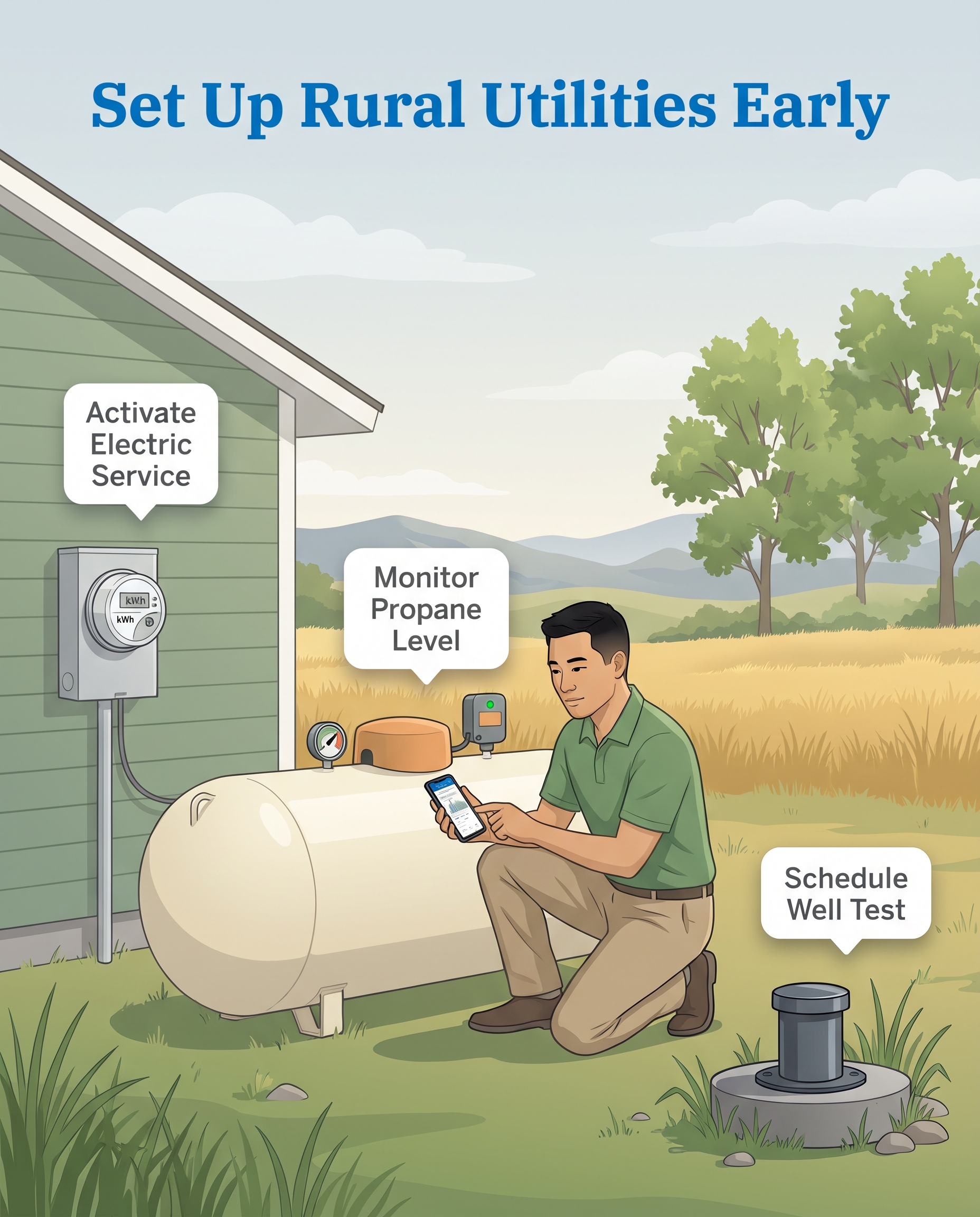
When you are setting up utilities in Wyoming, timing is everything — especially if your move-in date falls between October and April when an unheated house can suffer burst pipes overnight. Unlike densely populated metro areas where same-day connections are common, rural Wyoming utilities often require scheduled technician visits and safety checks.
Electricity and Natural Gas Providers
Your address generally determines your electric utility. Natural gas arrangements vary: eligible customers in some areas can choose a gas supplier through the Choice Gas program while retaining their local distribution utility. Check with your specific municipality to verify current consumer-facing names and coverage. Examples of providers across the state include:
- Major Electric Providers: Rocky Mountain Power, Black Hills Energy / Cheyenne Light, Fuel & Power, and Montana-Dakota Utilities.
- Rural Electric Cooperatives: Lower Valley Energy, Powder River Energy Corporation, Carbon Power & Light, and High Plains Power.
- Natural Gas Providers: Black Hills Energy, Montana-Dakota Utilities, Wyoming Gas Company, and Lower Valley Energy.
Contact your electric and gas providers with a comfortable planning buffer before your closing or lease start date. Utilities may require a credit check or a refundable security deposit. Keep in mind that Wyoming enforces specific winter disconnection rules to protect eligible residents during freezing weather, but this is not a blanket ban on shutoffs. It’s vital to keep your account active and in good standing.
Rural Realities: Propane Delivery, Wood Stoves, and Private Wells
Step just two or three miles outside city limits in Wyoming, and municipal natural gas and water lines vanish. Thousands of rural properties rely on 500-gallon or 1,000-gallon buried or above-ground liquid propane tanks to fuel their furnaces, water heaters, and ranges. Before closing on a country home, verify whether the propane tank is owned outright by the seller or leased from a local distributor. A seller-owned tank doesn’t automatically transfer merely because it is on the property, so confirm ownership and inclusion in the purchase agreement. Keep in mind that leased tanks can have supplier restrictions and contractual obligations.
Don’t assume a fuel-burning appliance will heat your home during an outage. Most pellet stoves and gas furnaces need electricity. If outage resilience is a priority, have a qualified installer assess an approved backup power system or a properly installed heating appliance that can operate without household electricity. Finally, if your property relies on a private water well and septic system, hire qualified inspectors to check the system history and local requirements. Test the water at an appropriate laboratory for health-related concerns, keeping in mind that testing needs depend on local conditions. Tenants shouldn’t assume responsibility for appliance replacement, well repairs, or septic work without checking their lease and applicable rules.
Pro Tip
If your new rural property uses liquid propane, install a smart cellular propane tank monitor right away. Just remember that a cellular monitor needs coverage, compatible equipment, and sometimes a subscription to send fuel level alerts to your smartphone.
Finding Reliable Wyoming Internet Providers by Exact Address
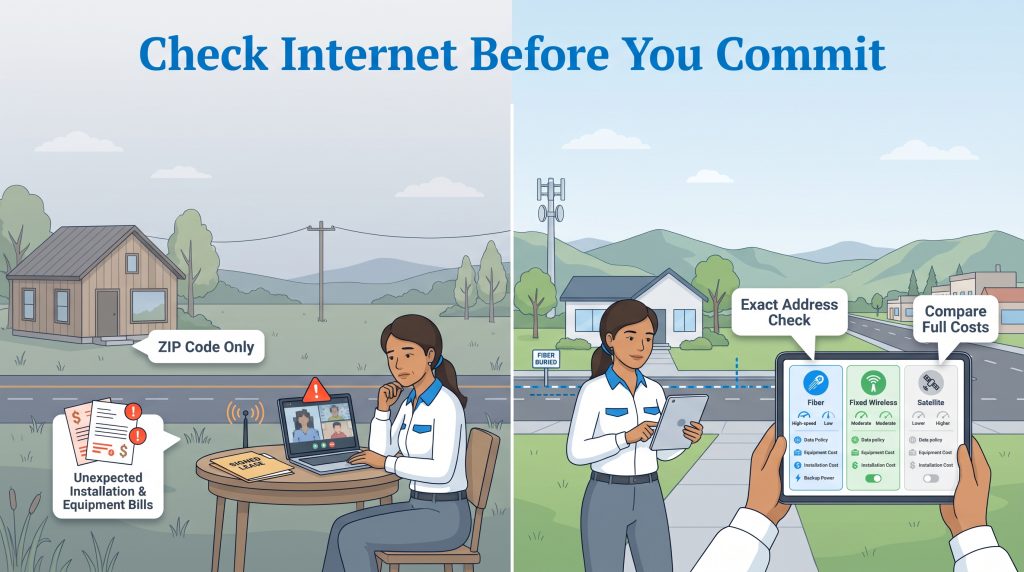
For remote workers and families moving to the state, the number-one anxiety is simple: “Will my video calls freeze?” Checking internet availability at your exact address before you sign a mortgage or lease will save you from costly surprises, as broadband speeds can drop from gigabit fiber to zero across a single county road.
If you live inside city limits in Cheyenne, Casper, Laramie, Sheridan, or Gillette, connectivity is surprisingly modern. Regional telecom providers have invested heavily in underground fiber-optic networks over the past few years. Top in-town providers include Spectrum, Optimum, and Bluepeak. In smaller towns and basins, regional leaders like Visionary Broadband and Range deliver various tiers of fiber and high-speed broadband. Always compare upload speed, latency, data policies, equipment charges, installation costs, and backup power before committing.
Once you head out to a five-acre ranchette or mountain cabin, traditional cable and DSL lines may not be available depending on the address. For rural properties, fixed wireless providers (which beam signals from local mountain-top towers to an antenna on your roof) offer a solid middle ground if you have a clear line of sight. Otherwise, low-earth-orbit satellite internet like Starlink may be an option where wired or fixed wireless service isn’t available. If you install a satellite dish, defer to manufacturer instructions, structural suitability, wind exposure, and safe access when deciding between a roof or ground mount.
Solar Energy and Off-Grid Living in Wyoming: Sustainable Home Tips
Wyoming’s deep-rooted culture of frontier self-reliance pairs naturally with modern home sustainability. Whether you are looking for an energy-saving option to tame winter heating bills or considering solar panels or an off-grid home in Wyoming, producing and conserving your own power makes financial sense.
Weatherizing Your Home Against Wyoming Winds
The cleanest, cheapest kilowatt-hour of electricity or therm of natural gas is the one you never have to use. Relentless prairie winds will find every tiny crack around your window frames, sill plates, and attic hatches, pulling warm air right out of your living room. Scheduling a professional home energy audit during your first month in town is a smart, environmentally mindful choice.
Focus your weatherization budget on sealing rim joists in the basement or crawlspace and updating insulation. Keep in mind that insulation recommendations depend on your climate zone, assembly, existing insulation, moisture conditions, and applicable codes. Following the ENERGY STAR Seal and Insulate guide can help you seal hidden air leaks and lower your annual heating and cooling costs. When it is time to upgrade your HVAC system, consider an ENERGY STAR Cold Climate air-source heat pump paired with a dual-fuel gas or propane furnace backup — an eco-conscious alternative that can provide winter heat depending on the equipment capacity, sizing, and design temperature.
Residential Solar, Small Wind, and Battery Storage
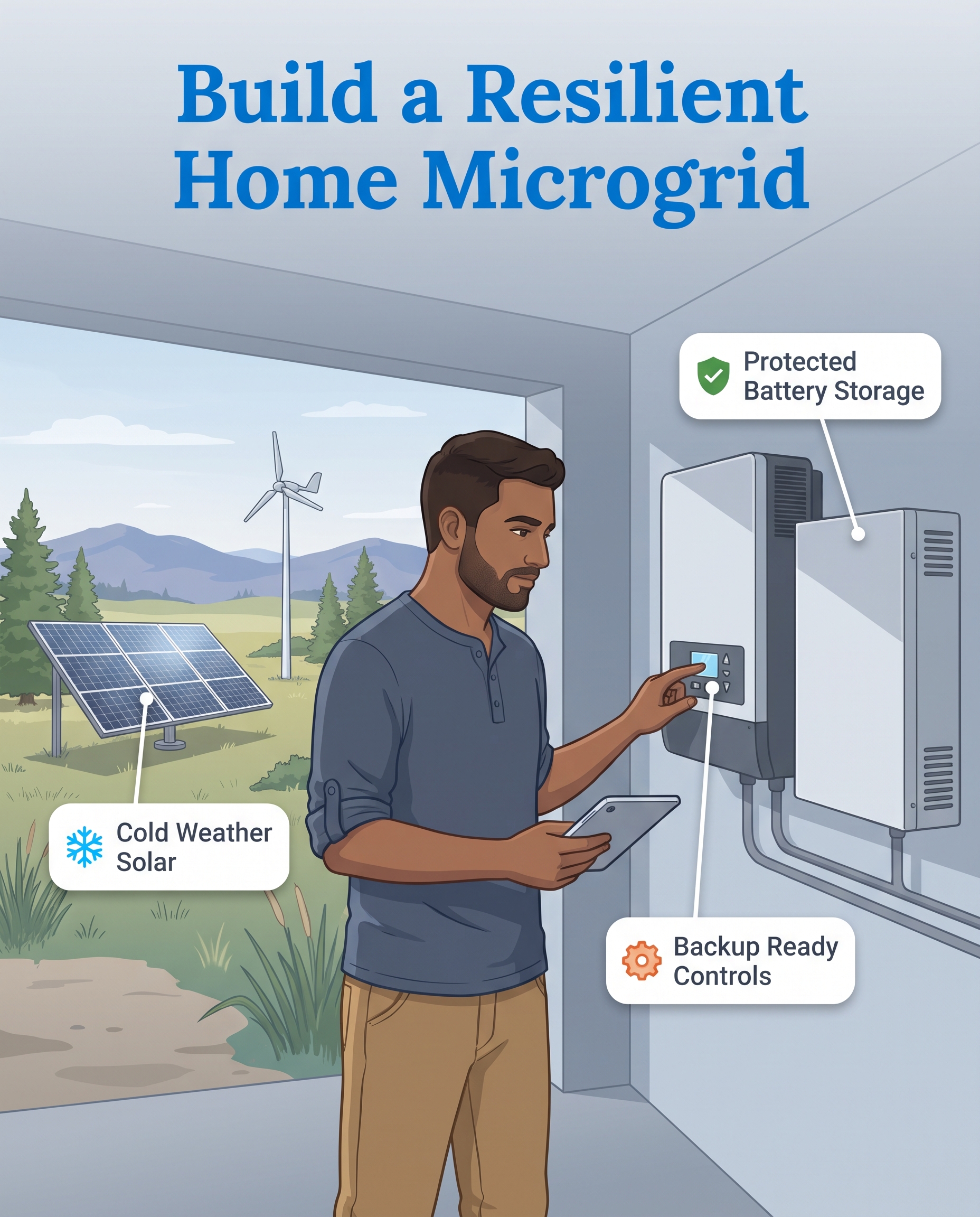
Many newcomers assume Wyoming is too cold for solar power, but the opposite is true. Solar photovoltaic (PV) panels actually operate more efficiently in cold, crisp, high-altitude air, though annual output still depends on sunlight, shading, snow, orientation, and system design.
For rural homeowners on multi-acre parcels, combining a solar array or a small-scale residential wind turbine with lithium iron phosphate (LFP) home battery storage provides a resilient microgrid. If you choose to use LFP batteries, ensure you follow manufacturer temperature limits and enclosure requirements, especially for charging in freezing conditions. Standard grid-connected solar generally doesn’t power a home during an outage without suitable backup-capable equipment. If you decide to go fully off-grid, remember that it requires separate winter energy, water, wastewater, access, and permitting planning beyond just installing solar and a battery.
Eco Edge
Even if you rent an apartment or don’t want to install rooftop panels, you can still make an environmentally mindful choice through your local electric company. Check if your provider offers a voluntary program, like Rocky Mountain Power’s Blue Sky initiative, allowing you to support regional renewable wind and solar projects for just a few dollars a month.
Your Step-by-Step Moving to Wyoming Checklist
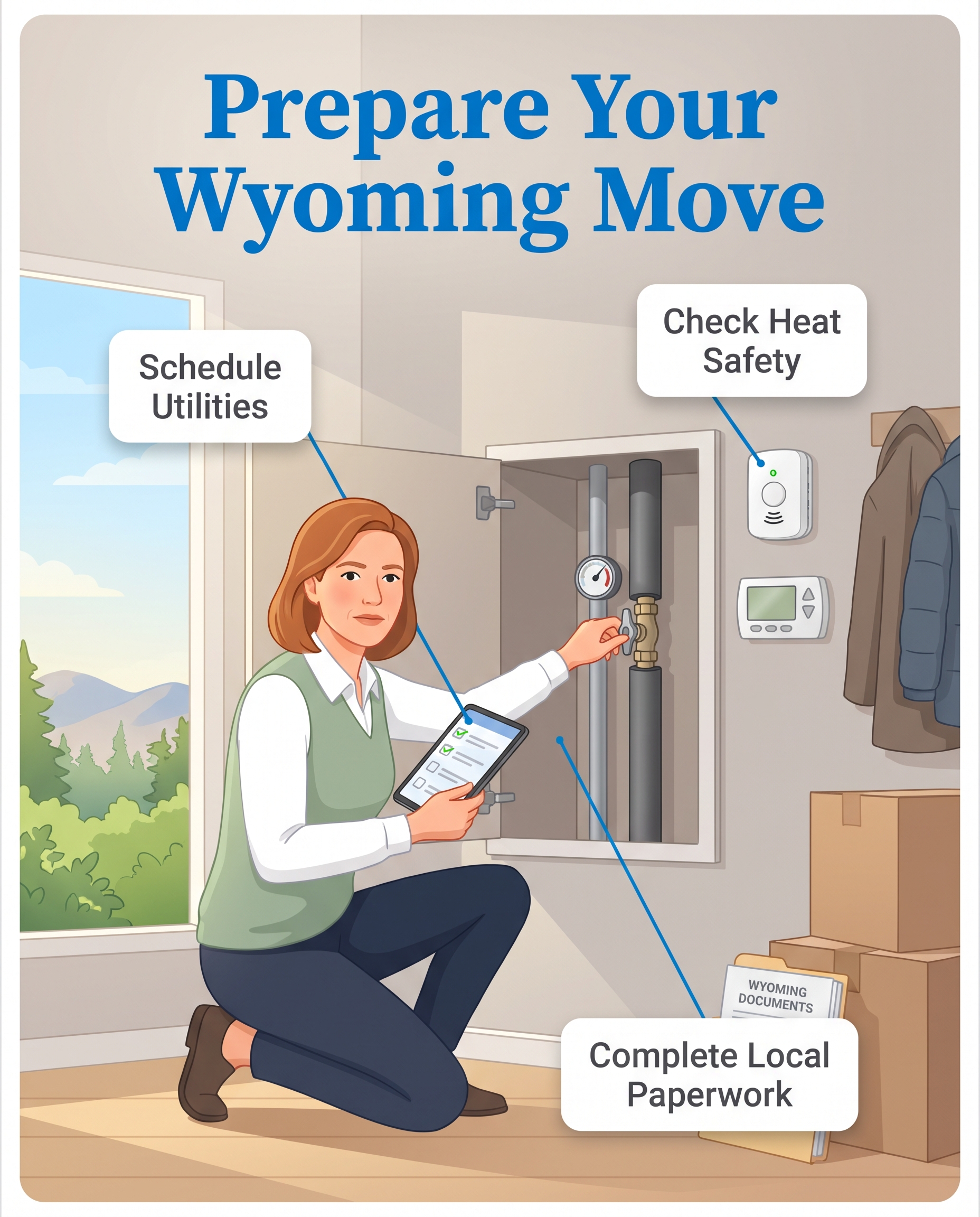
Coordinating utility hookups, propane deliveries, and county paperwork takes organization, especially when moving across state lines. Following a structured moving to Wyoming checklist keeps your relocation on track so you never walk into a dark, freezing house on arrival night. You can find additional packing timelines and address-change tips on our moving hub, and verify official state residency and tax rules through the State of Wyoming Relocation Portal.
- Four to Six Weeks Before Moving:
- Verify exact high-speed internet options by street address and order satellite or fiber installation early.
- Request 12 months of past electric, gas, or propane bills from the home seller or property manager.
- Book a licensed moving company with proven mountain and winter driving experience.
- Two to Three Weeks Before Moving:
- Call your local electric, natural gas, water, and trash providers to schedule service activation for the day before you arrive.
- If moving to a rural home, schedule a propane tank safety leak check and top-off delivery, and confirm septic and well test results.
- Transfer prescriptions and medical records to a clinic in your new Wyoming town.
- Moving Week:
- Locate your home’s main interior water shutoff valve immediately in case of freezing pipes.
- Test all smoke alarms and install fresh carbon monoxide detectors on every level (a non-negotiable step for homes with gas, propane, or wood heat).
- Inspect crawlspace pipe insulation and heat tape, and set up your Wi-Fi router or satellite dish.
- First 30 Days After Arrival (Distinguish These Recommendations From Legal Deadlines):
- Perform a DIY draft check around doors and windows or schedule a professional home energy audit.
- Apply for your Wyoming driver’s license in person at a Wyoming Department of Transportation (WYDOT) driver exam station.
- Register your vehicles at your local County Treasurer’s office to receive your iconic bucking horse license plates (displaying your specific county prefix number, from 1 for Natrona County to 23 for Sublette County).
- Register to vote in person at your County Clerk’s office — remember that Wyoming is exempt from the National Voter Registration Act (“Motor Voter”), so you cannot register to vote automatically when getting your driver’s license.
Settling Into Your New Home Under the Big Wyoming Sky
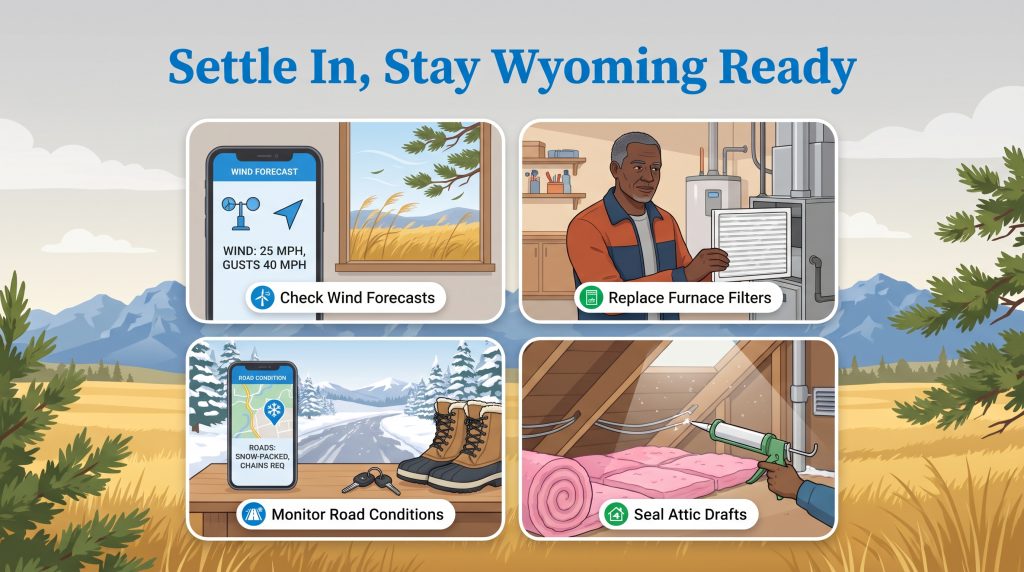
Moving to Wyoming asks a little more of you than a typical suburban relocation. You’ll pay closer attention to wind forecasts, furnace filters, road conditions, and utility preparation than you ever did before. Yet once your utilities are humming, your attic is sealed tight against the winter breeze, and you step out onto your porch to watch a crimson sunset drop behind the Rockies, the extra preparation pays off.
Tackle your utility transfers, internet setup, and weatherization upgrades a few weeks ahead of schedule. By building an energy-efficient, resilient home from the start, you’ll spend far less time worrying about January heating bills and far more time exploring the quiet trails, rivers, and wide-open spaces of your new backyard.
Frequently Asked Questions About Moving to Wyoming
Relocating across state lines comes with plenty of logistical questions. Here are some of the most common things people ask when planning their move to the Equality State.
How Much Money Do I Need to Save Before Moving to Wyoming?
Can I Deregulate or Choose My Own Electricity Supplier in Wyoming?
How Do I Establish Legal Residency After Relocating to Wyoming?
Are Heat Pumps Effective During Sub-Zero Wyoming Winters?
Is Cheyenne or Casper Better for Remote Workers Moving to Wyoming?
What Is the Best Time of Year to Move to Wyoming?
About the Author

LaLeesha has a Masters degree in English and enjoys writing whenever she has the chance. She is passionate about gardening, reducing her carbon footprint, and protecting the environment. She also recently served as President of the Board for City Sprouts (a community garden).

Claudio is a sustainability-focused writer with a background in Anthropology and Psychology from NC State University. He has spent over 15 years working in writing, interpretation, and translation, driven by a deep interest in how human culture shapes the environment. Today, he shares his curiosity with readers by writing about sustainable living solutions and the connection between everyday choices and environmental impact.