
Residential natural gas delivery rates are climbing in southwest Ohio, but you can protect your wallet by understanding your competitive shopping options.
Key Takeaways
- Duke Energy Ohio is raising its baseline natural gas delivery rates starting with the May 2026 billing cycle to recover $1.4 billion spent on critical pipeline infrastructure.
- A typical household will see a monthly bill increase of $6.08, representing a 6.7% bump in standard delivery costs.
- You can protect your wallet by using Ohio’s energy choice program to switch to a lower fixed-rate supplier or enrolling in budget billing options.
If you are opening your utility bill this month, you might notice a bit of a price hike. Starting with the May 2026 billing cycle, Duke Energy Ohio is officially raising its residential natural gas delivery rates to wrap up a decade of massive pipeline and safety upgrades. Moving into a new home or trying to manage your family’s monthly budget is already stressful enough without unexpected utility changes hitting your wallet. Here at UtilitiesForMyHome.com, we want to help you make sense of these new numbers, figure out exactly how much extra you will pay, and walk you through the smart strategies you can use to lower your monthly expenses.
Why Your Duke Energy Ohio Rates Are Changing
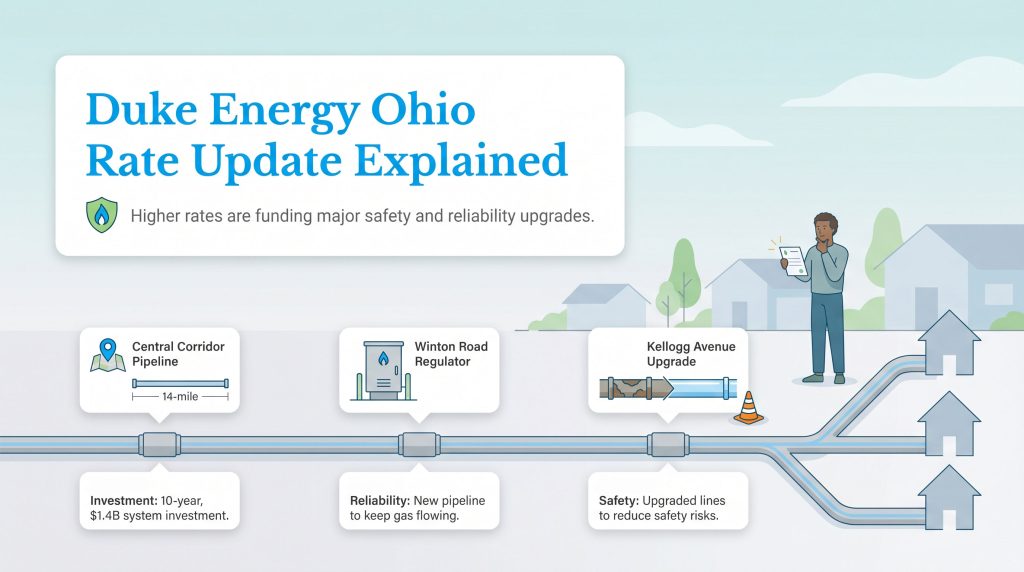
Duke Energy Ohio is bumping up its base distribution rates to bounce back from $1.4 billion invested in southwest Ohio’s natural gas pipeline network over the last 10 years. While the company has kept its normal daily operating overhead flat since 2012, state regulators at the Public Utilities Commission of Ohio approved a $48.8 million revenue increase to cover physical system updates. These adjustments pay for major security and safety enhancements that ensure gas flows safely to your home.
The Major Infrastructure Projects Behind the Increase
Several large engineering projects are the main drivers behind this price adjustment. For instance, the 14-mile Central Corridor Pipeline in Hamilton County helps balance pressure across the local system, allowing crews to upgrade vintage lines without shutting off your gas service. Additionally, the utility built the Winton Road Regulator Station in College Hill above ground to stop water from leaking into underground equipment vaults. Finally, a project along Kellogg Avenue swapped out 3.5 miles of an old 1948 distribution pipeline with state-of-the-art materials to reduce safety risks.
How This Hike Impacts Your Monthly Bill
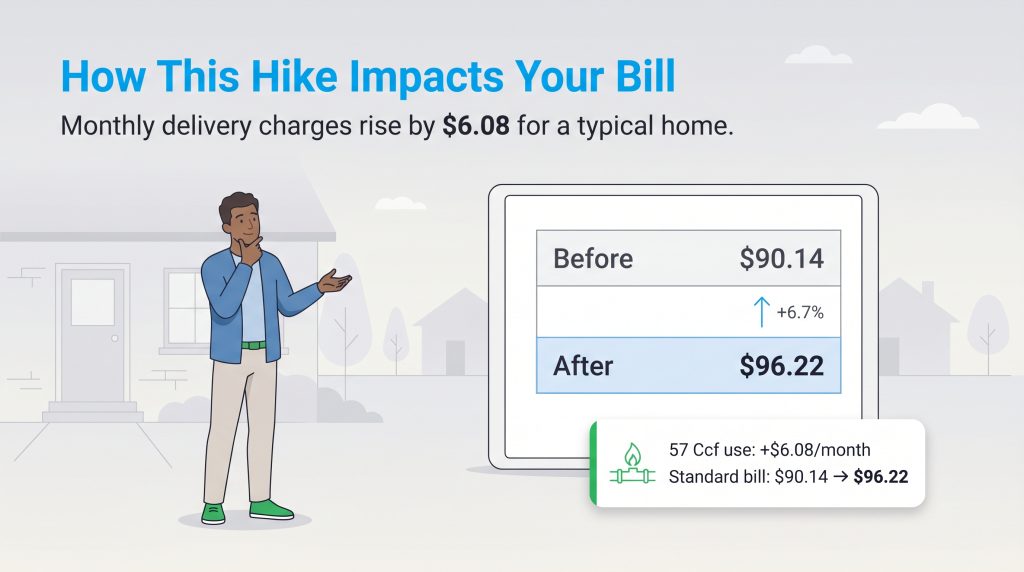
Every single residential natural gas customer in Duke’s footprint pays these delivery charges, regardless of who supplies the actual gas commodity. If you are a typical homeowner using an average of 57 Ccf of natural gas per month, your delivery fees will climb by $6.08 each month. This changes a standard bill from $90.14 to $96.22, which is a 6.7% baseline hike.
To give you a better look at what you are paying for, let’s break down the math for a household using 100 Ccf in a month. Your total bill is split into supply charges (the cost of the fuel itself) and delivery charges (the cost to bring it to your door). As of May 2026, Duke’s default Standard Service Offer variable supply rate sits at $0.7586 per Ccf.
| Billing Component | Tariff Parameter | Total Monthly Cost |
| Gas Cost Recovery Supply | Default variable commodity rate | $75.86 |
| Fixed Customer Charge | Flat baseline distribution fee | $33.03 |
| Volumetric Distribution Fee | Local infrastructure delivery charge | $3.27 |
| Total Monthly Bill | Combined fixed and variable costs | $112.16 |
Keep in mind that if your household uses more than 400 Ccf in a single billing cycle, the distribution charge steps up from $0.032728 per Ccf to $0.097278 per Ccf. This bump happens automatically during those freezing winter months when your furnace is working overtime.
Major Cities and Areas Affected by the New Tariffs
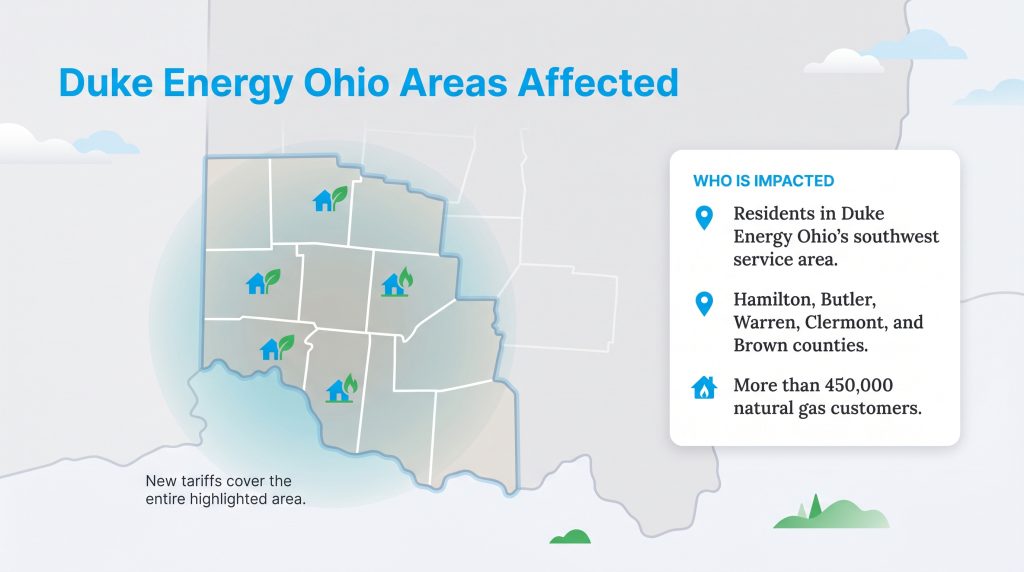
This rate change blankets Duke Energy Ohio’s entire 3,000-square-mile franchise service area in the southwestern part of the state. If you live in this region, you are likely affected by the adjustment. The utility delivers natural gas to more than 450,000 residential endpoints across several counties, including Hamilton, Butler, Warren, Clermont, and Brown.
Affected Municipalities by County
- Hamilton County: Cincinnati, Norwood, Forest Park, White Oak, Arlington Heights.
- Butler County: Middletown, Fairfield, Hamilton
- Warren County: Mason, Lebanon, Springboro
- Clermont County: Batavia, Amelia, Milford
- Brown County: Georgetown, Higginsport, Fayetteville
What You Can Do to Lower Your Gas Costs
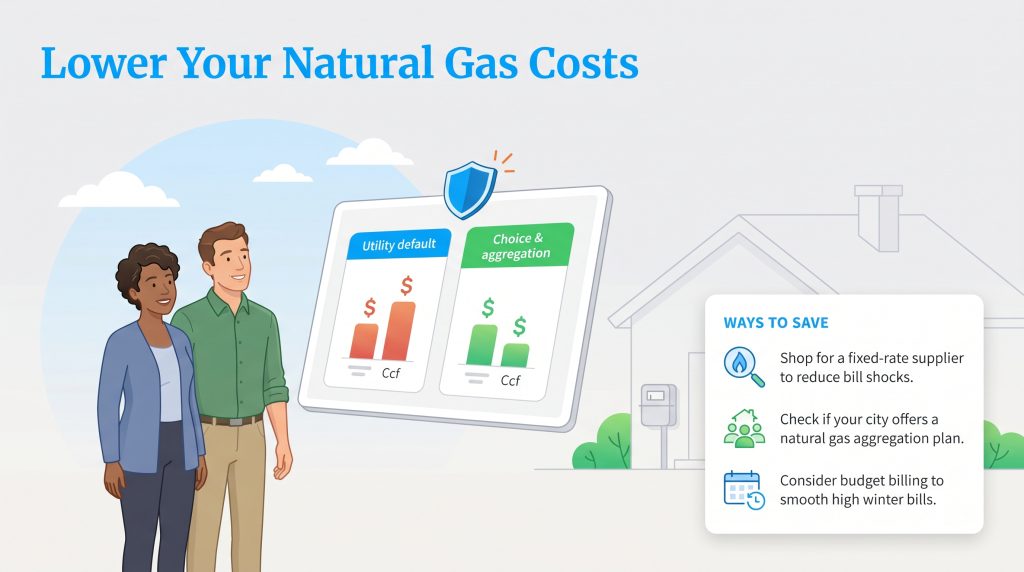
While you cannot change the fixed distribution fees approved by state regulators, you are not completely powerless. Because Ohio is an unregulated energy market, you can take advantage of the state’s Gas Customer Choice program. This program lets you shop around for an alternative retail natural gas supplier to secure a better rate on the commodity portion of your bill.
Shop Around for a Fixed-Rate Supply Contract
Switching to a competitive retail supplier can protect your household from volatile monthly shifts in fuel costs. When you search the official Energy Choice Ohio comparison portal, you will see a wide mix of fixed-rate and variable options. A fixed-rate contract locks in your price per Ccf for anywhere from six to 36 months, shielding you from seasonal price spikes. Just keep an eye out for early termination fees, which can run anywhere from $10 to $150 if you cancel early.
Let’s look at some of the active residential offers available right now in the Duke Energy Ohio territory compared to the utility’s default option:
| Retail Natural Gas Supplier | Rate per Ccf | Contract Structure | Term Length | Early Termination Fee |
| Duke Energy Ohio Default | $0.7586 | Monthly Variable | Continuous | $0 |
| Energy Harbor LLC | $0.4690 | Fixed Rate | 12 Months | $0 |
| Ohio Natural Gas | $0.4990 | Fixed Rate | 12 Months | $25 |
| Constellation NewEnergy | $0.5100 | Fixed Rate | 12 Months | $150 |
| AEP Energy Inc | $0.5490 | Fixed Rate | 36 Months | $25 |
| Shipley Choice, LLC | $0.5990 | Fixed Rate | 12 Months | $0 |
| Direct Energy Services | $0.6223 | Fixed Rate | 12 Months | $0 |
| Residents Energy, LLC | $0.8249 | Variable Rate | 1 Month | $0 |
Look into Municipal Aggregation and Budget Programs
Another great shield against market volatility is a community or municipal aggregation program. Local governments frequently join forces to buy natural gas in bulk for all their residents. For example, administrators in Clermont County negotiated a 12-month fixed rate of $0.6499 per Ccf with AEP Energy, protecting local homes from winter spot market swings. If your city offers an opt-out aggregation plan, check your mail to see if you can log into their specific pricing.
If you prefer to stay with Duke but want to avoid severe seasonal bill spikes, consider enrolling in their Budget Billing plan. The Annual Plan estimates your yearly usage and lets you pay the exact same flat amount for 11 months, followed by a “settle-up” adjustment in the 12th month. If you want to avoid a big year-end surprise, the Quarterly Plan automatically updates your average payment every three months based on what you actually used.
Choosing an Environmentally Mindful Path to Save Energy
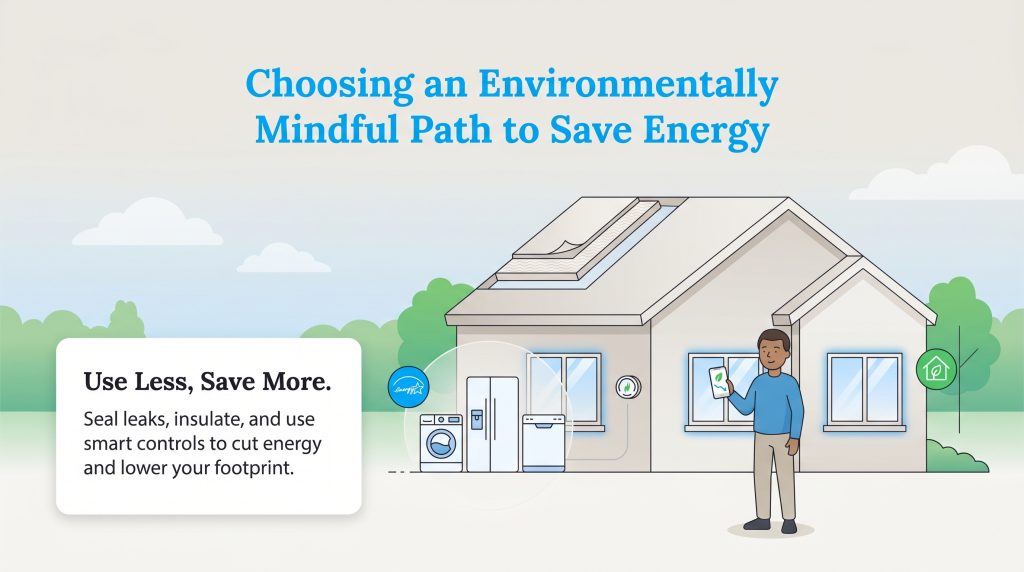
Trimming down your physical consumption is an excellent way to fight rising rates while making an environmentally mindful choice. Sparing your furnace a few extra degrees of work lowers your environmental impact and shrinks your monthly volumetric charges. We highly recommend looking into energy-saving options around your property, such as sealing drafty windows, adding attic insulation, and installing a programmable smart thermostat.
If you are replacing old home appliances, making an eco-conscious alternative investment in an Energy Star certified model can cut your energy use significantly. Combining smart energy shopping with real conservation helps you keep more money in your wallet while contributing to a lower carbon footprint for our community.
Taking Control of Your Southwest Ohio Utility Bills
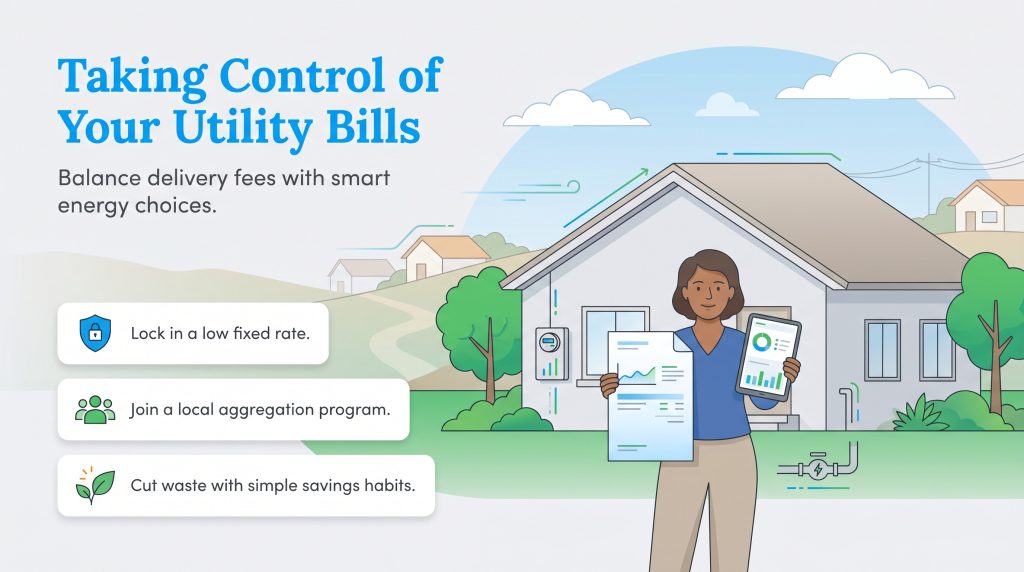
Navigating a utility rate adjustment is never fun, but understanding how these delivery fees work gives you the power to respond effectively. While Duke Energy Ohio’s pipeline modernization projects mean higher baseline distribution charges, the deregulated market offers plenty of room to optimize your overall spending. By locking in a low fixed-rate supply contract or joining a local aggregation program, you can easily offset these new infrastructure costs. Balancing smart shopping choices with simple energy conservation will keep your home comfortable, your budget intact, and your lifestyle a bit more eco-conscious for years to come.
Frequently Asked Questions About Duke Energy Ohio Rates
Navigating your energy options can feel confusing, especially when prices are shifting. We compiled the most common questions from local residents to help you understand your options and take control of your utility statements.
Why is my Duke Energy Ohio natural gas delivery rate going up?
Can I avoid paying the new Duke Energy Ohio delivery charges if I switch suppliers?
What is the difference between a fixed-rate and a variable-rate natural gas plan?
How can I find out if my community participates in a municipal aggregation program?
About the Author

Claudio is a sustainability-focused writer with a background in Anthropology and Psychology from NC State University. He has spent over 15 years working in writing, interpretation, and translation, driven by a deep interest in how human culture shapes the environment. Today, he shares his curiosity with readers by writing about sustainable living solutions and the connection between everyday choices and environmental impact.