
Key Takeaways
- Rate Hike Details: Effective December 1, 2025, PECO increased its residential Price to Compare (PTC) by approximately 6% to $0.11024 per kWh, a change that affects about 1.6 million customers in southeastern Pennsylvania.
- Primary Causes: The increase is driven by an 833% surge in PJM capacity market prices, resulting from a combination of retiring power plants and exploding demand from data centers and electrification.
- Actionable Advice: Homeowners can mitigate these higher costs by shopping for competitive electric suppliers, who are currently offering fixed rates as low as 10.09 cents per kWh.
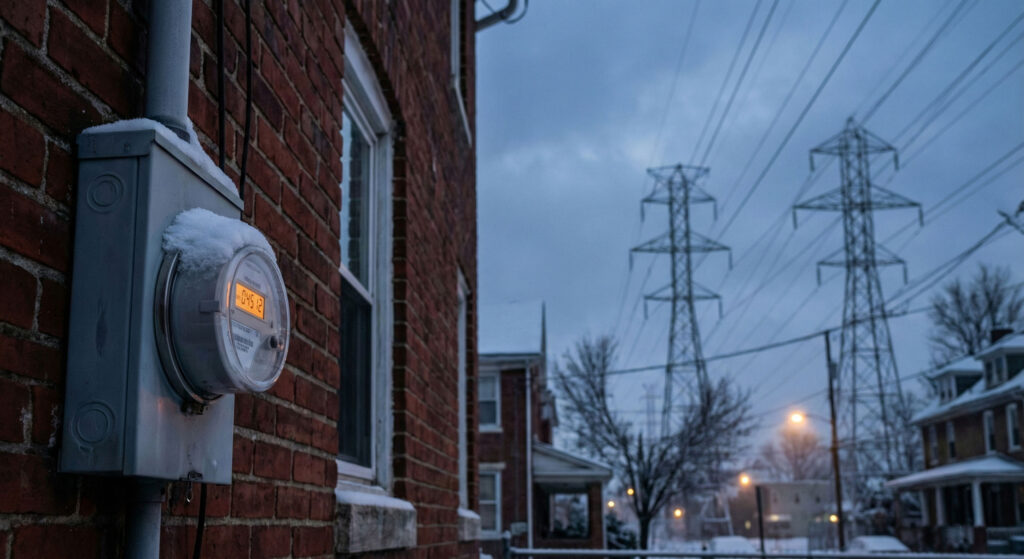
As winter settles into southeastern Pennsylvania, homeowners are facing a new hurdle in their utility budgets. Effective December 1, 2025, PECO Energy has officially raised its residential “Price to Compare” (PTC) for electricity supply.
The rate has increased from $0.1040 per kWh to $0.11024 per kWh. While a roughly 6% increase may seem modest at first glance, it comes on the heels of distribution rate hikes earlier this year, compounding the financial strain on households just as heating season demand peaks.
For the average household using 700 kWh a month, this supply rate change alone adds roughly $4.40 to the monthly bill. However, for homes with electric heat pumps or higher usage during the winter, the impact will be significantly more pronounced.
Why Are Rates Going Up?
PECO does not profit from the “supply” portion of your bill; this cost is a direct pass-through of what the utility pays to purchase power on the wholesale market. The driving force behind this latest increase is a crisis in the PJM Capacity Market, the system that ensures there is enough power on the grid to meet demand during extreme weather.
Several factors have created a “perfect storm” for high prices:
- Skyrocketing Capacity Costs: The price to secure power capacity for the 2025/2026 year skyrocketed by approximately 833%, jumping from roughly $29 per megawatt-day to nearly $270 per megawatt-day.
- Supply Shortages: Aging fossil-fuel power plants are retiring faster than new renewable energy projects can be connected to the grid.
- Surging Demand: The explosion of data centers and Artificial Intelligence (AI) technology, along with the electrification of vehicles and heating, has drastically increased the demand for electricity across the Mid-Atlantic region.
Which Cities Are Impacted?
This rate change affects all residential customers within PECO’s electric service territory. This includes approximately 1.6 million customers across southeastern Pennsylvania.
Counties Impacted:
- Philadelphia
- Bucks
- Chester
- Delaware
- Montgomery
- Southeastern York County
Major Cities and Communities Impacted: Residents in the following major hubs will see the new rate on their upcoming bills:
- Philadelphia
- Levittown
- Norristown
- Chester
- Drexel Hill
- King of Prussia
- Pottstown
- West Chester
- Phoenixville
- Horsham
What Can Homeowners Do?
Because this increase affects the “Supply” portion of the bill, Pennsylvania’s deregulated market allows consumers to shop for a lower rate. The new PECO Price to Compare of 11.024 cents per kWh serves as the benchmark to beat.
As of December 2025, competitive suppliers are offering fixed-rate plans in the 10.09 to 10.30 cents per kWh range. Switching to a fixed rate below the PECO default can provide immediate savings and price protection through the winter and into 2026.
Residents are advised to check their latest electric bill, identify their current Price to Compare, and visit official shopping sites or trusted brokers to lock in a lower rate before the coldest winter months arrive.
About the Author

David has been an integral part of some of the biggest utility sites on the internet, including InMyArea.com, HighSpeedInternet.com, BroadbandNow.com, and U.S. News. He brings over 15 years of experience writing about, compiling and analyzing utility data.