
Prevent accidents and save energy with these practical strategies for your lighting, electrical, and security systems.
Key Takeaways
- Prioritize electrical safety by inspecting wires, avoiding overloaded circuits, and upgrading to cool-to-the-touch LED lights.
- Leverage smart home technology like timers and security cameras to monitor your property and deter theft while you are traveling.
- Maintain fire prevention standards by keeping natural trees hydrated and testing your smoke and carbon monoxide detectors before guests arrive.
The holiday season brings joy and celebration, but it also introduces unique risks to your home’s utility systems and overall security. According to the National Fire Protection Association (NFPA), electrical distribution and lighting equipment are a leading cause of home Christmas tree fires, and winter months see a significant spike in residential utility usage and heating-related hazards. Whether you are hanging lights for the first time in a new home or heading out of town to visit family, a few proactive steps can prevent electrical mishaps, dangerous fires, and unexpected break-ins. By combining traditional safety inspections with modern smart home tools, we want to help you ensure your holidays remain festive, eco-friendly, and completely worry-free.
Electrical Safety & Sustainable Lighting
Inspect All Electrical Cords and Decorations
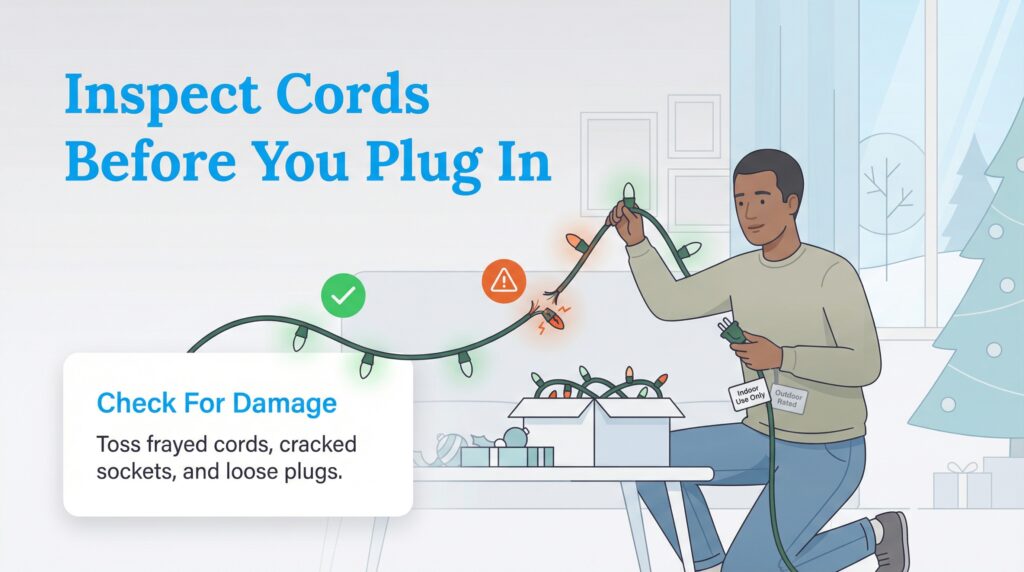
Before you hang a single strand of lights, you must thoroughly check your equipment for signs of wear and tear. Frayed wires, cracked sockets, and loose connections can easily spark a fire or cause an electric shock. Throw away any damaged strands immediately rather than trying to repair them with tape. To ensure your display is safe, perform the following cord inspection steps every year:
- Examine the entire length of the wire for exposed copper or chewed sections.
- Look closely for cracked, crushed, or missing bulb sockets.
- Verify the manufacturer’s tag to confirm the cord has the correct indoor or outdoor weather rating.
- Ensure the plug prongs are perfectly straight and free of corrosion.
Upgrade to Energy-Efficient LED Lights
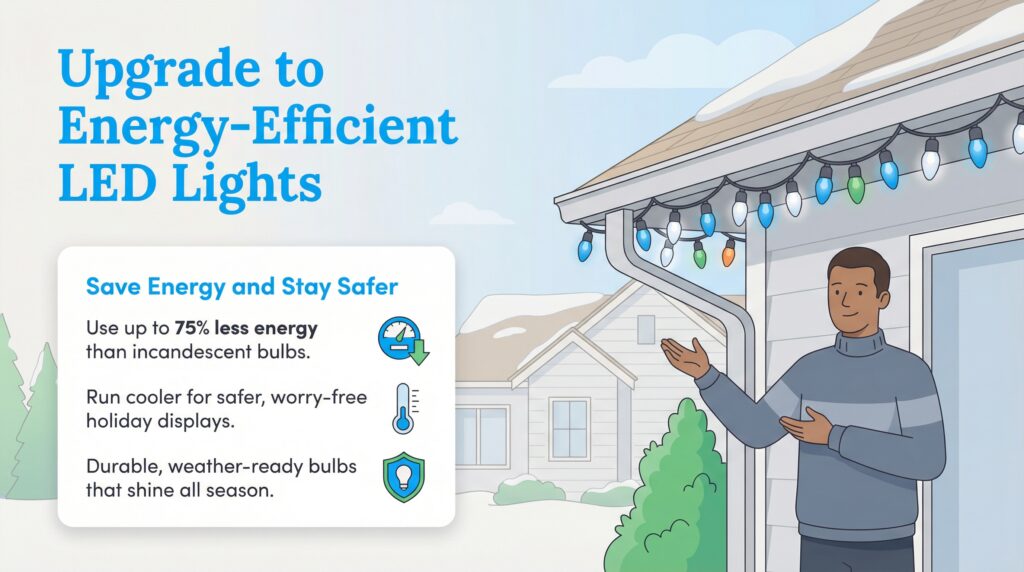
At UtilitiesForMyHome, we recommend making the switch to modern LED technology if you are still using outdated incandescent bulbs. Upgrade to UL-listed, Energy-saving holiday lights to protect your home. Modern LEDs run much cooler than traditional bulbs and consume up to 75% less energy. If you run a large holiday display for several hours every night, this environmentally mindful choice can trim a noticeable chunk off your January utility bill while dramatically improving your home’s safety.
Beyond safety and savings, LED lights are far more durable than their glass predecessors. They are resistant to breakage and often come encased in tough epoxy lenses that withstand brutal winter weather. Making an eco-conscious choice here helps you maintain a sustainable home without sacrificing the festive glow you love.
Don’t Overload Your Circuits
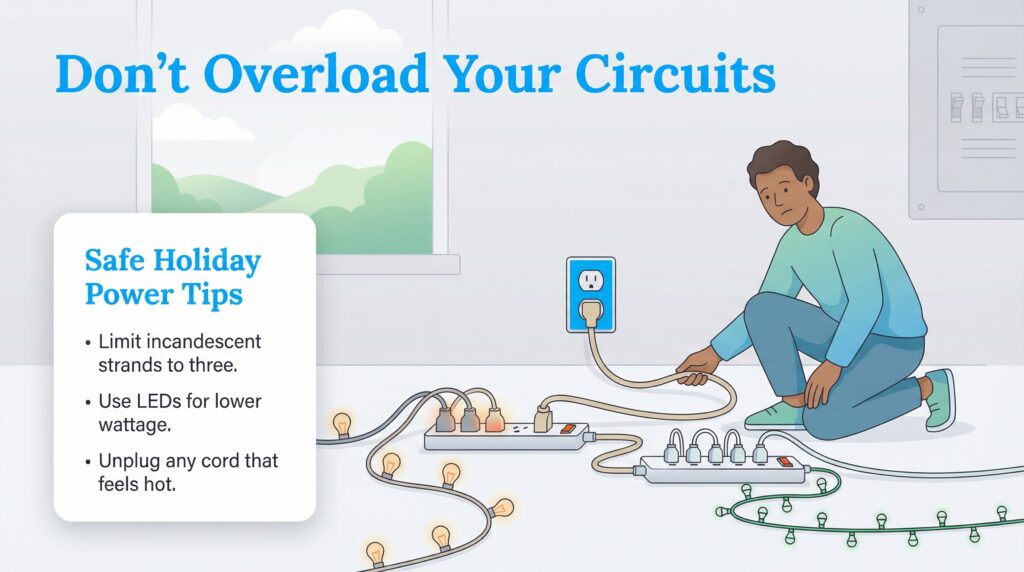
Plugging too many decorations into a single outlet is a recipe for tripped breakers and potential electrical fires. If you are in a new-to-you home and unsure about your capacity, our guide to home electric basics can help you understand your panel and circuits before you plug in.
You must pay attention to your specific wattage limits. A good rule of thumb is to connect no more than three strands of incandescent lights together, which typically approach a safe 144-watt limit per continuous run. In contrast, you can safely connect up to 40 LED strands due to their ultra-low wattage profile. Always check the amperage rating on your power strips to ensure they can handle the total load. If a cord feels hot to the touch, it is overloaded and needs to be unplugged immediately.
| Lighting Type | Energy Usage | Heat Emission | Safety Rating |
|---|---|---|---|
| Incandescent Lights | High (~40 watts per strand) | High (Hot to touch) | Low (Fire hazard) |
| LED Lights | Low (~4.8 watts per strand) | Low (Cool to touch) | High (UL-listed) |
| Smart LED Strips | Very Low (Optimized scheduling) | Minimal | Very High (Automated shutoff) |
Automate Your Display with Smart Plugs
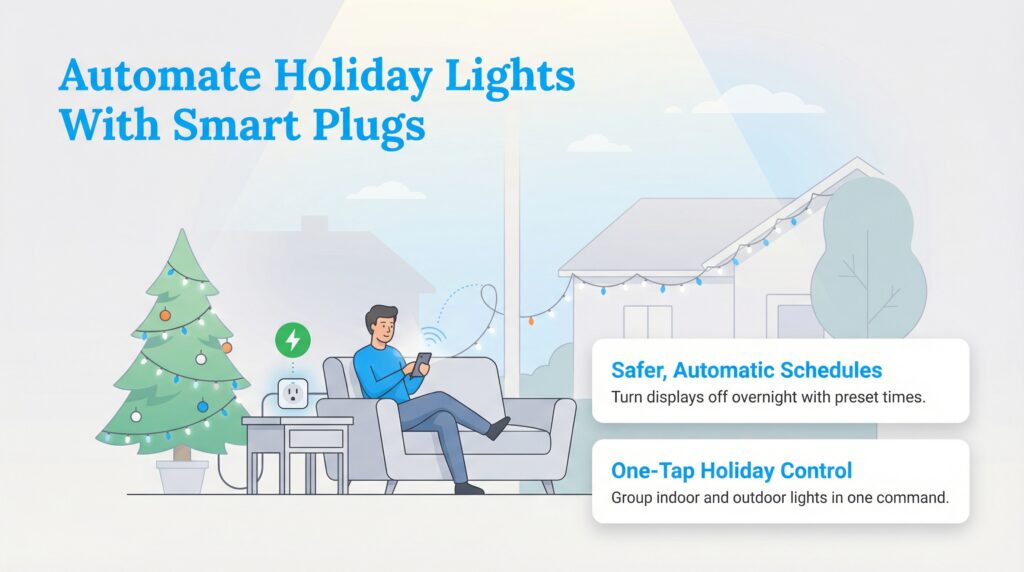
Manual timers are helpful, but we highly recommend upgrading to smart plugs because they offer superior control and safety for your holiday display. These devices allow you to schedule your lights to turn off automatically late at night or control them remotely via your smartphone if you forget to unplug them before leaving the house. This ensures your lights aren’t running when no one is awake to monitor them.
Preventing Holiday Fires: Trees, Candles, and Heating
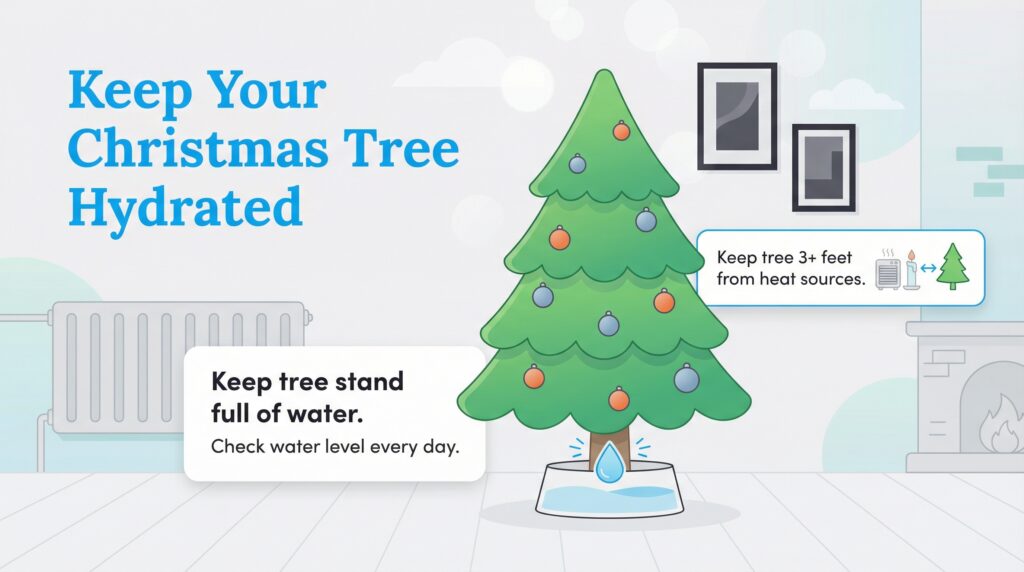
A dry Christmas tree is essentially a large pile of kindling sitting in your living room. If you choose a real tree, keeping the stand filled with water is the single most effective way to prevent a devastating fire. A well-watered tree is difficult to ignite, but a dry one can be consumed by flames in seconds. You need to follow actionable daily watering steps: check the base every morning and evening, ensuring the water level always covers the cut end of the trunk. Fresh trees can drink up to a gallon of water in the first 24 hours alone.
Additionally, position your tree at least three feet away from any heat sources, including radiators, fireplaces, and heating vents. Statistics from the National Fire Protection Association (NFPA) emphasize that heat sources too close to the tree are a leading factor in home fires.
Stop using open-flame candles entirely near your holiday displays. We strongly command you to use battery-operated, eco-friendly LED candles instead. They provide the same warm, ambient flicker without introducing a severe fire hazard to your home.
Practice Kitchen Safety During Feasts
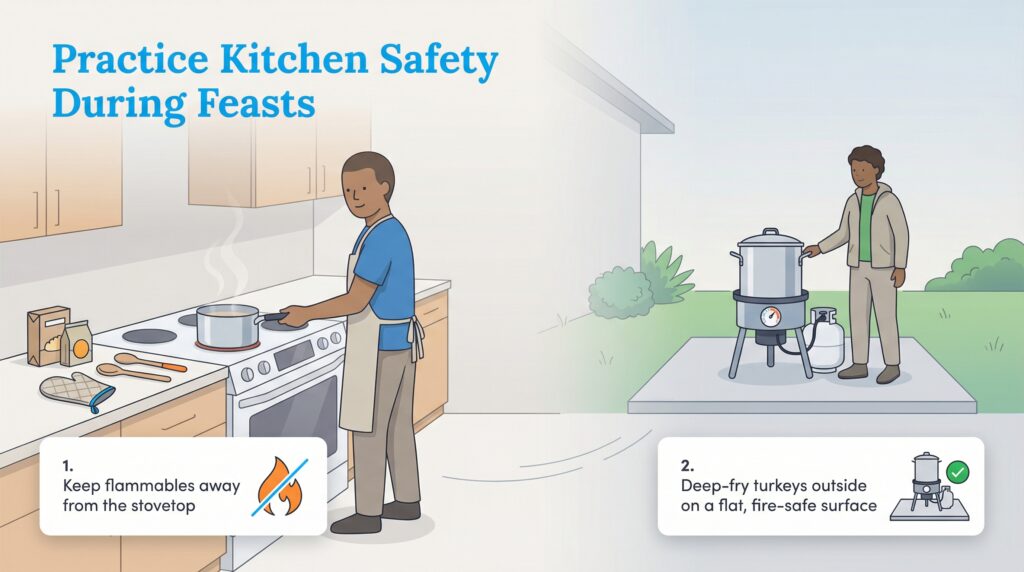
The kitchen is the heart of holiday chaos, and unattended cooking is a leading cause of home fires during the season. Keep flammable items like oven mitts, wooden spoons, and food packaging well away from your stovetop. If you plan to deep-fry a turkey, exercise extreme caution. Command your guests to keep their distance, and always fry outside on a flat, non-combustible surface, far away from your home, garage, and any wooden decks.
Manage Supplemental Heating Carefully
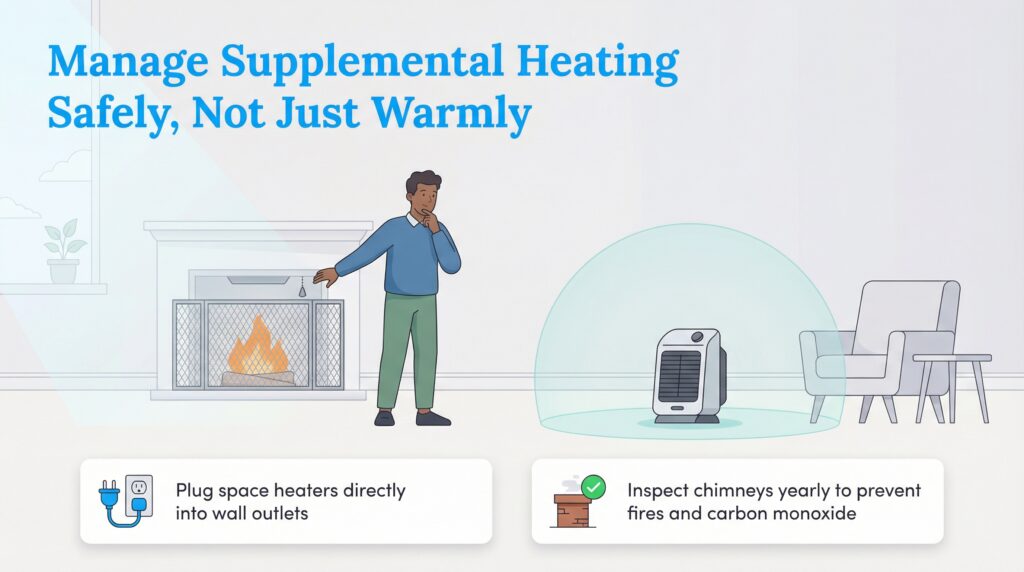
As temperatures drop, you might rely on space heaters or a fireplace to keep your gathering cozy. Space heaters need at least three feet of clearance from furniture, curtains, and bedding to operate safely. Always plug space heaters directly into a wall outlet rather than an extension cord to prevent overheating. Regular maintenance is key; having your chimney inspected and cleaned annually helps prevent chimney fires and carbon monoxide buildup. For more on safe heating practices, check our guide on natural gas safety and furnace maintenance.
Keeping Pets Safe Around Holiday Decor
Your furry companions are naturally curious about the sudden appearance of indoor trees, dangling ornaments, and twinkling lights. To prevent expensive vet visits and protect your property, you must actively pet-proof your utility setups and displays. Holiday decorations introduce a host of unfamiliar hazards into your home environment.
- Glass Ornaments: Hang fragile glass ornaments high out of reach to prevent shattered glass from injuring paws or being accidentally ingested.
- Tinsel: Avoid using tinsel entirely if you own cats. Swallowing it causes severe, life-threatening intestinal blockages.
- Toxic Plants: Keep live poinsettias, mistletoe, and holly completely out of your home, as they are highly toxic to both cats and dogs.
- Exposed Electrical Cords: Hide all utility cables and light strands securely behind heavy furniture or route them inside chew-proof cord protectors to stop pets from gnawing on live wires.
You also need to tightly secure your tree base. Command your pets away from the area while you anchor the tree to the wall or ceiling with high-test fishing line. A sturdy anchor ensures that a climbing cat or an excited dog’s wagging tail cannot knock the heavy tree over, preventing severe injuries and spilled water near electrical outlets.
Home Security & Vacation Prep During the Holidays
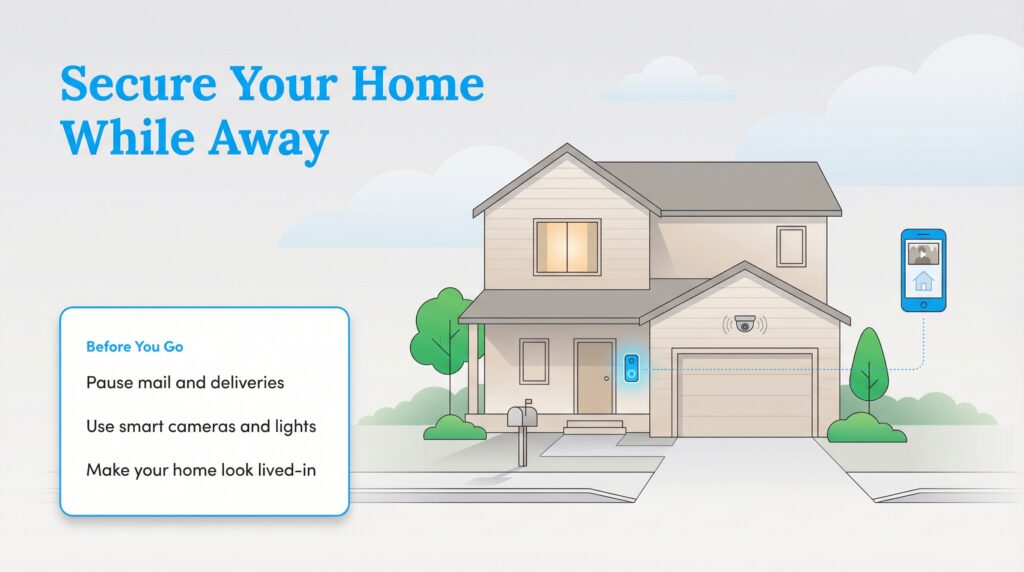
Traveling for the holidays leaves your home vulnerable to break-ins, but a few strategic moves can effectively deter potential intruders. Lock all doors, secure every ground-level window, suspend your mail delivery through the postal service website, and set up automatic light timers before you travel. Piles of uncollected mail are a clear signal to burglars that no one is home to check the porch.
To fully secure your home, use your smart home devices to create the convincing illusion that your house is occupied. Follow these exact steps to randomize your lighting:
- Open your smart home utility app and select your primary living room, bedroom, and exterior landscape lights.
- Set a randomized “Vacation” or “Away” schedule that triggers the lights to turn on and off at varied, natural times each evening.
- Sync your Video doorbells and outdoor security cameras to push alerts directly to your phone the moment motion is detected on your property.
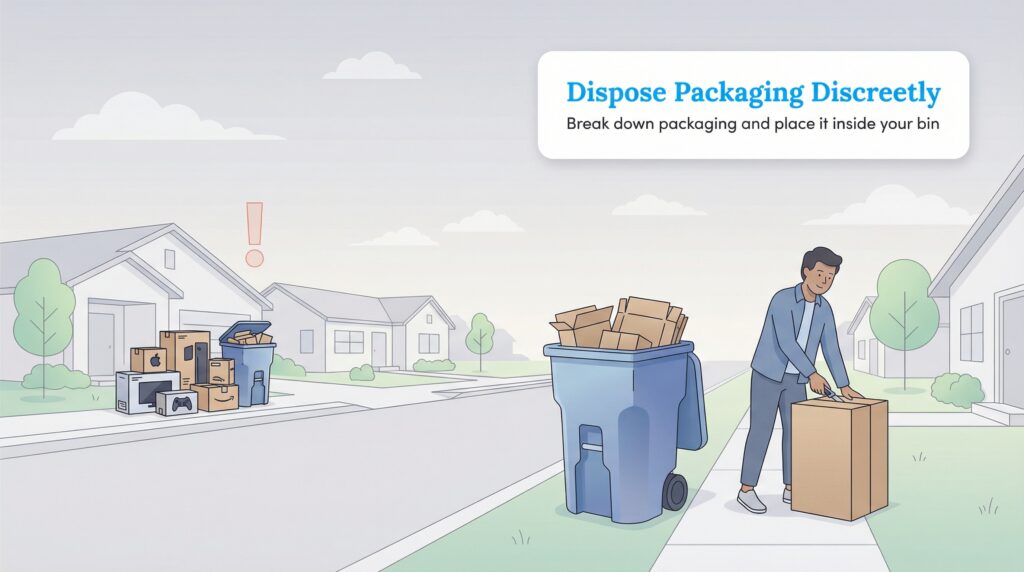
Additionally, nothing advertises a home full of expensive new gifts like a curb lined with empty boxes for large electronics. To avoid attracting burglars, command everyone in your household to break down boxes for TVs, computers, and gaming consoles so they fit entirely inside your recycling bin. If you have too many boxes, drive them directly to a local recycling center rather than leaving branded packaging visible on the street.
Preparing Your Home for a Safe New Year
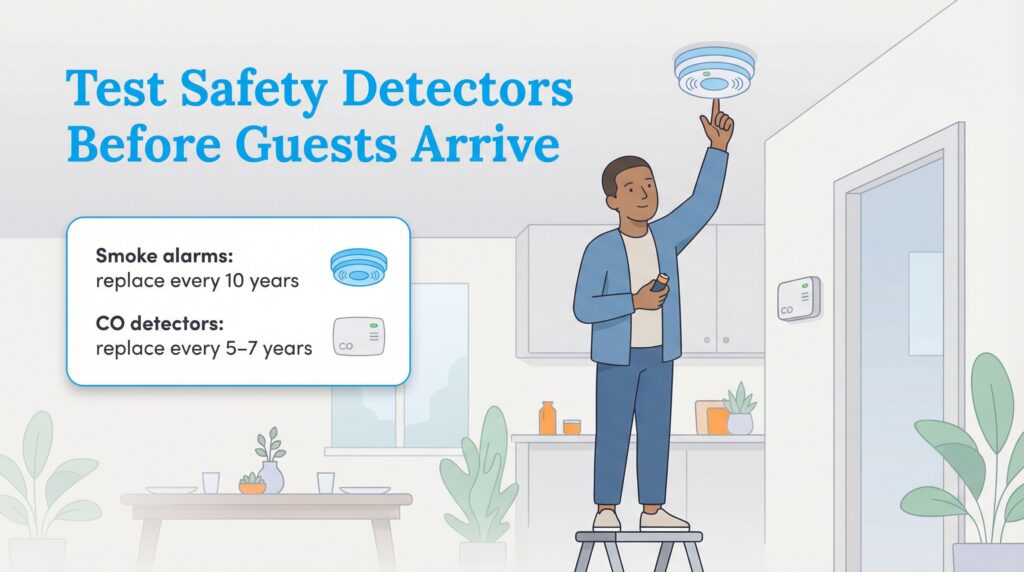
Before the grand celebrations begin, you need to test your smoke alarms and carbon monoxide detectors. Installing fresh batteries ensures that these critical systems are ready to alert you to the presence of smoke from a kitchen mishap or a malfunctioning furnace. We highly suggest checking the manufacturing date printed on the back of each alarm. Smoke detectors typically expire after 10 years, while carbon monoxide detectors usually last between five and seven years. Replace expired units immediately.
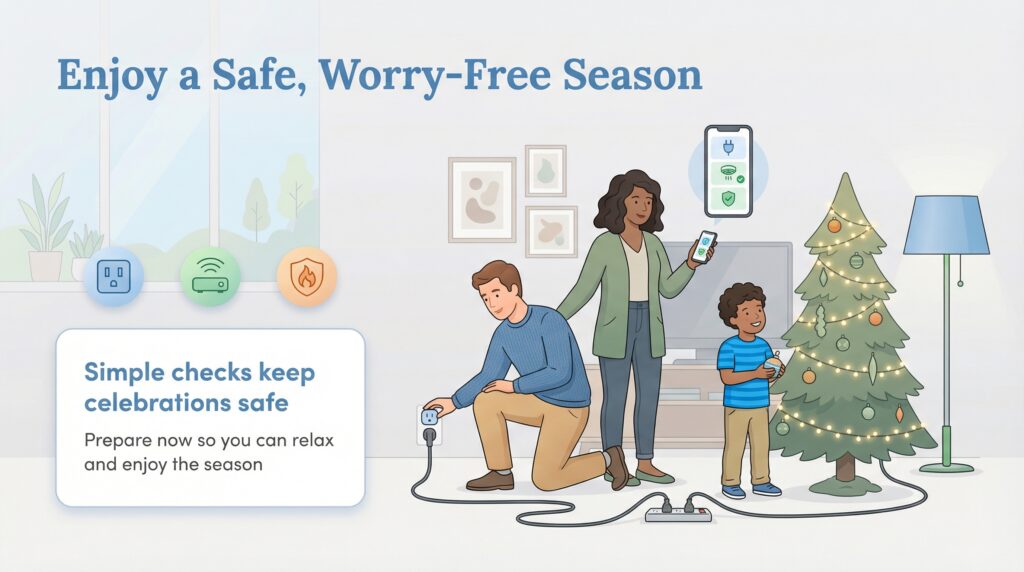
Taking the time to address these critical safety checks allows you to focus on what really matters — spending quality time with your loved ones. By inspecting your electrical setup, implementing eco-friendly LED lighting, and securing your home with smart technology, you create a secure environment for all your festive celebrations. A little proactive preparation now guarantees your holiday memories are happy, bright, and secure heading into the new year.
Frequently Asked Questions About Holiday Safety
How many strings of holiday lights can I safely connect together?
What is the safest way to heat a room during the winter holidays?
Are LED holiday lights safer than traditional incandescent bulbs?
When should I turn off my holiday lights?
How do I keep my real Christmas tree from becoming a fire hazard?
What is the best way to secure my home while traveling for the holidays?
About the Author

David has been an integral part of some of the biggest utility sites on the internet, including InMyArea.com, HighSpeedInternet.com, BroadbandNow.com, and U.S. News. He brings over 15 years of experience writing about, compiling and analyzing utility data.