Delta Utilities: Rates, Setup, and Billing Guide

Whether you are moving into a new home or managing a recent account transition, this guide will help you set up Delta Utilities service, understand your natural gas charges, and find ways to save.

Key Takeaways
- Delta Utilities acquired natural gas territories from CenterPoint in April 2025 and Entergy in July 2025 across Louisiana and Mississippi.
- You can request new service and manage your account online through the MyDU customer portal.
- Levelized billing programs can smooth out your payments, though they do not reduce your total gas use or overall charges.
- Upgrading home appliances to highly efficient models or switching to electric alternatives can help you lower your emissions over time.
Moving into a home served by Delta Utilities? We explain how to confirm service availability, request an account, understand your gas charges, and check which transition details apply to your address.
Understanding the Delta Utilities Transition
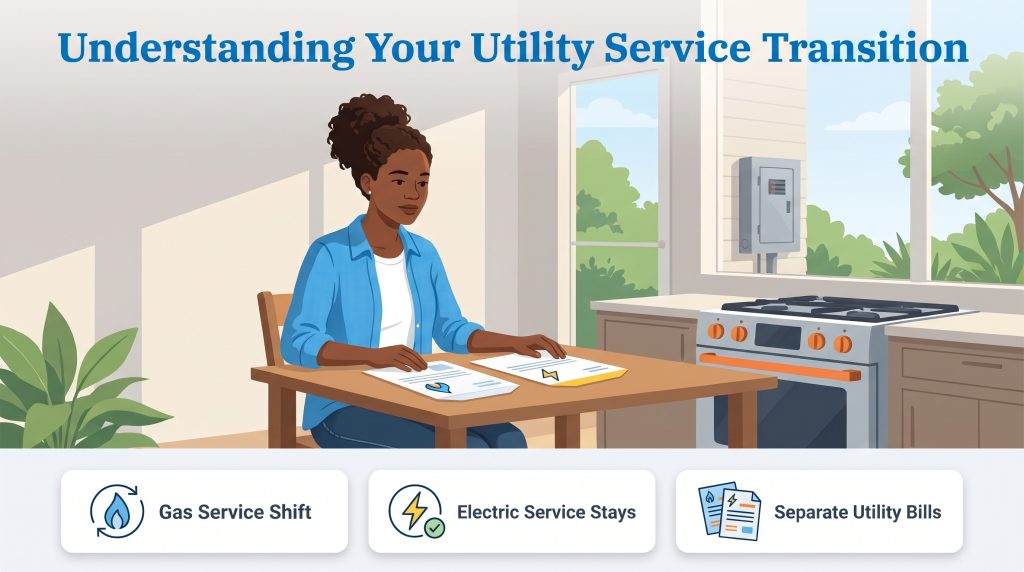
In 2025, the Gulf Coast utility landscape saw a massive shift when Delta Utilities — a provider backed by Bernhard Capital Partners — acquired two major natural gas distribution networks. In April 2025, Delta finalized its acquisition of CenterPoint Energy’s gas systems in Louisiana and Mississippi. Following that, in July 2025, they completed the purchase of Entergy’s natural gas distribution business in New Orleans and East Baton Rouge Parish.
Quick Fact
The 2025 acquisitions by Delta Utilities transitioned nearly 600,000 metered customers across the region to their natural gas service. However, regional customer totals do not guarantee that Delta Utilities serves your specific address.
If you are wondering how Delta Utilities and Entergy differ now, the split is straightforward. Entergy’s sale of its gas business did not transfer its electric operations, so Entergy continues to manage the electrical grid for its established customers. Because of this division of services, you might notice separate bills arriving if your home relies on both gas and electricity. While it can take a moment to adjust to managing two distinct utility accounts instead of one bundled service, Delta Utilities focuses entirely on specialized natural gas distribution and maintenance.
Delta Utilities Coverage Area
Because of the scale of the recent buyouts, Delta Utilities now covers a significant portion of the Deep South. If you are ever unsure whether your specific home falls under their jurisdiction, you can use the address lookup tool on the official Delta Utilities website to verify your exact boundaries. Their current service footprint spans essential metropolitan areas and surrounding parishes, including:
- New Orleans, Louisiana
- Baton Rouge, Louisiana (and surrounding East Baton Rouge Parish)
- Various central and southern parishes in Louisiana previously serviced by CenterPoint
- Numerous communities throughout Mississippi previously serviced by CenterPoint
Delta Utilities Rates and Regulation
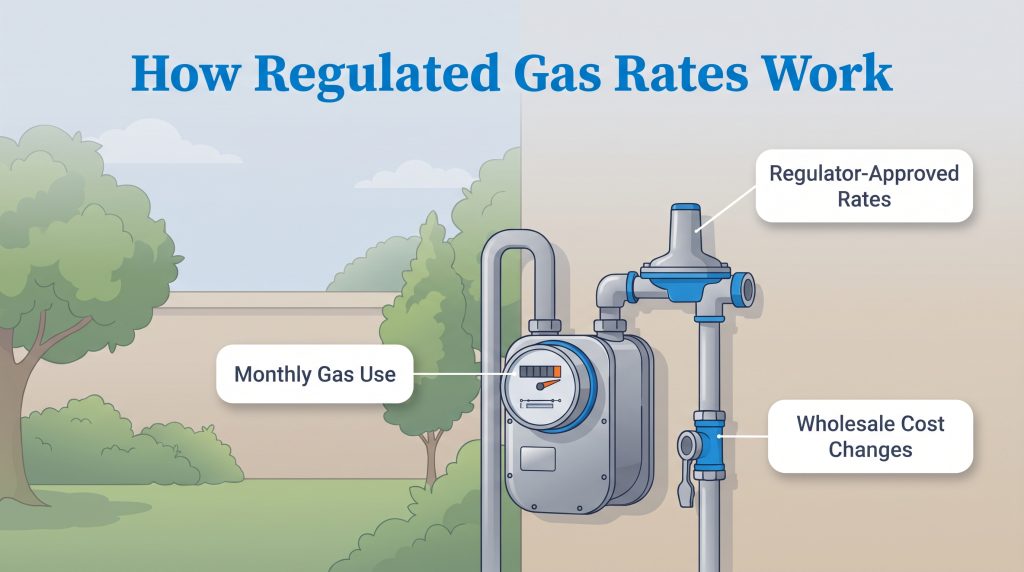
Unlike deregulated electricity markets where you can shop around for custom energy plans, Delta Utilities operates as a regulated natural gas provider in its service areas. Your charges depend on the applicable service territory, your rate schedule, and any approved riders. Instead of comparing dozens of complex gas plans, your rates are monitored and approved by state and local authorities. For example, depending on your location, your rates are overseen by the Louisiana Public Service Commission, the Mississippi Public Service Commission, or the New Orleans City Council to ensure standard pricing.
Your bill will naturally fluctuate depending on wholesale natural gas market prices, your monthly consumption, and the length of the billing period. To help you better understand where your money goes each month, we have broken down the standard components you might see on your gas bill.
| Bill Component | What It Means |
|---|---|
| Customer Charge | A fixed monthly fee that applies regardless of how much gas you use. It covers the basic costs of keeping your account active, including meter reading and administrative services. |
| Delivery or Distribution Charge | A usage-based charge for the physical delivery of natural gas through the local pipeline system to your home. |
| Purchased Gas Adjustments | The cost of the actual natural gas supply. This fluctuates based on wholesale market rates and is passed on to customers under approved regulatory mechanisms. |
| Taxes and Local Fees | Franchise fees or local taxes passed through to your municipality for the right to operate utility lines on public property. |
How to Start, Transfer, or Stop Delta Utilities Service
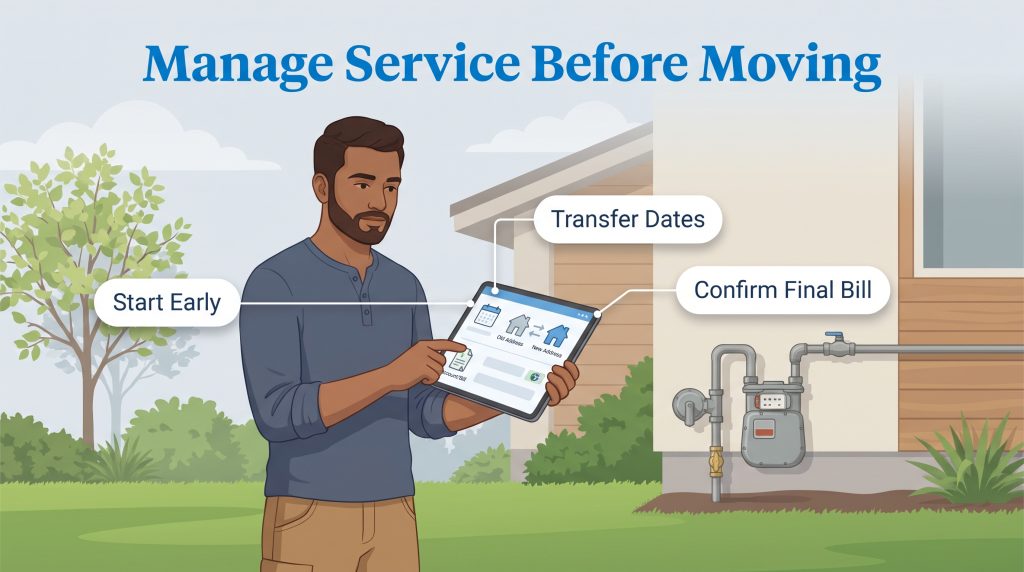
Moving is stressful enough without fighting with your utility company. Thankfully, managing your natural gas account is a fairly straightforward digital process through the official MyDU web portal.
Starting New Service
When you are ready to request a new account, navigate to the MyDU portal on your computer or smartphone’s browser and select the option for new service. You will need to provide your service address, preferred start date, and identification details. Since technicians may need to access your meter to turn on the gas safely, request service a few days before you move in and verify if someone needs to be present for the appointment.
Transferring Service
If you already have a Delta Utilities account and are moving to another address within their coverage map, you can request a transfer online. Provide your current account information, the new address, and the specific dates you want service stopped at the old location and started at the new one.
Stopping Service
To close your account, submit a stop-service request online or call customer support. Ensure you provide a forwarding address so Delta Utilities can send your final bill or return any eligible security deposits. If your account was enrolled in AutoPay, remember to confirm the recurring payments are canceled once the final balance is settled.
Managing Your Account and Reading Your Bill
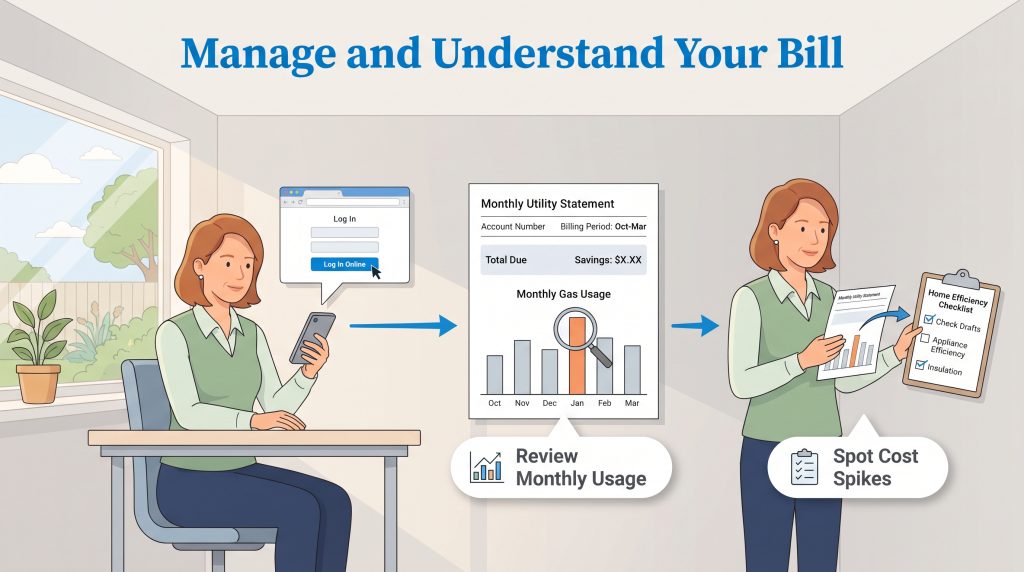
While many utility giants are pushing users toward dedicated smartphone apps, Delta Utilities handles things a bit differently. They do not currently offer a standalone mobile app in the app stores. However, their MyDU web portal is fully optimized for mobile browsers, meaning you can easily manage your account from your phone without downloading extra software. Once you log in, the dashboard allows you to review available billing and usage information, update your contact information, and enroll in paperless billing or automatic payments.
Understanding the actual breakdown of your usage can save you a significant amount of cash during the winter heating months. Reviewing your monthly statements can help you identify when your household gas consumption peaks. If you are struggling to make sense of the ccfs (hundred cubic feet) or therms listed on your statement, check out our comprehensive guide on how to read your gas bill. Understanding your bill statements helps you spot unexpected spikes early, pointing you toward potential drafts or inefficient appliances before you are hit with another massive charge.
Account Fees and Deposit Requirements
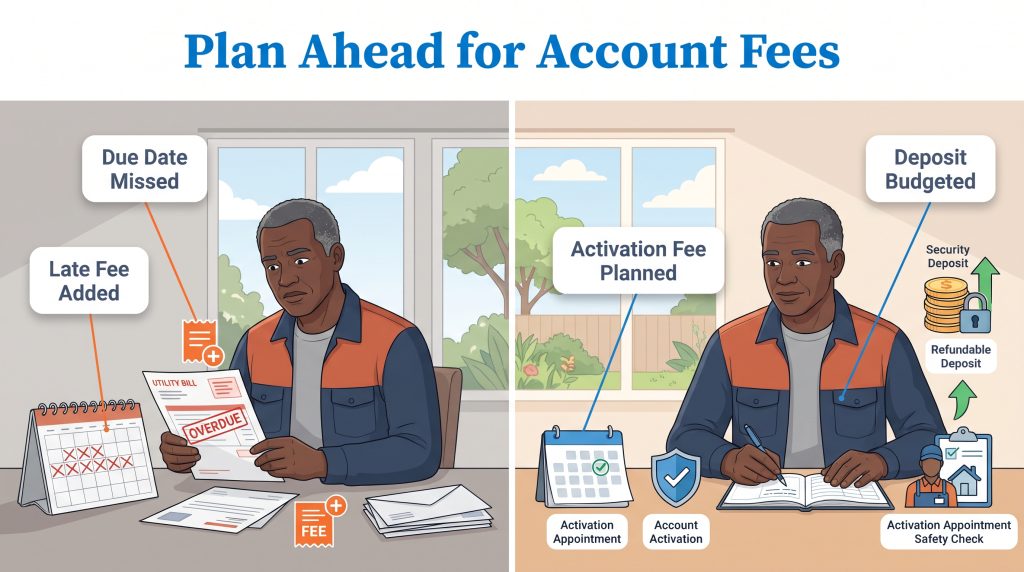
When starting a new account, it is crucial to budget for the non-usage costs associated with your service. Delta Utilities has a standard fee structure to cover administrative and operational tasks. While these numbers can occasionally shift based on regulatory updates, you should generally anticipate a few common charges when setting up or maintaining your account.
- Activation or Connection Fee: A potential one-time administrative charge applied to your first bill to establish your account and activate your meter.
- Late Payment Penalties: A fee added to your account if your monthly balance is not paid by the stated due date.
- Security Deposit: An upfront deposit required for many new customers. The amount typically varies based on your credit history or account standing. Depending on utility regulations, this deposit may be refundable after a period of consistent, on-time payments.
Heads Up
Be sure to check if Delta Utilities requires you to be physically present at your home during the service activation appointment. Some meter connections require a safety check inside the residence.
Payment Assistance and Ways to Manage Costs
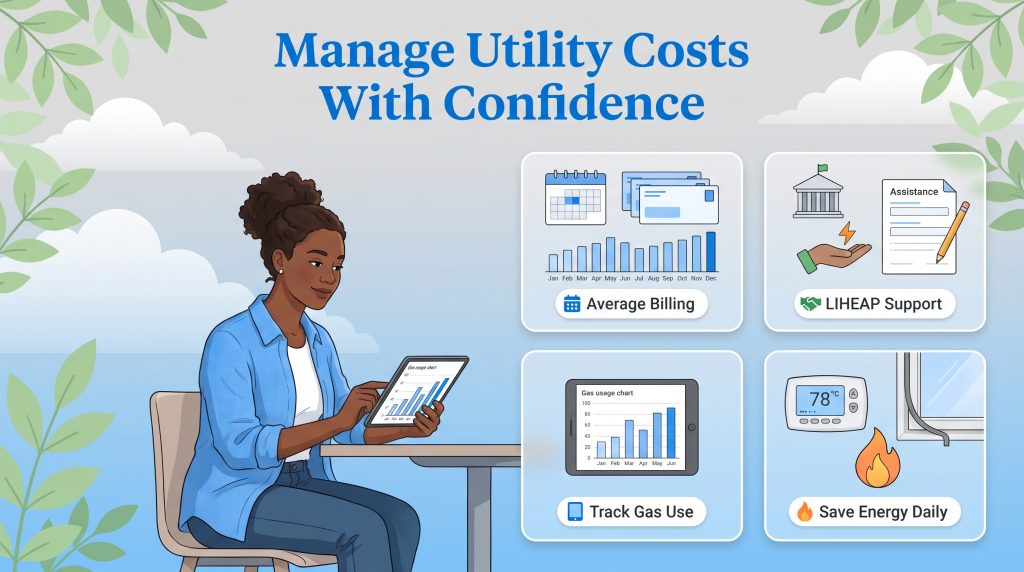
Feeling the pinch of high utility costs is never fun, but you have practical options for financial relief. One of the most effective strategies is enrolling in Delta’s Levelized (Average) Billing program. Instead of paying minimal amounts in the summer and larger amounts during the winter, this program calculates your average usage over a rolling twelve-month period and spreads it out. It is important to note that budget billing can make your payments more predictable, but it does not reduce your total gas use or overall charges.
Additionally, federally funded assistance programs offer a lifeline for eligible low-income residents who are struggling to keep up with essential services. The Low Income Home Energy Assistance Program (LIHEAP) provides federal grants, administered through state and local agencies, to help cover energy costs. If you want to tackle your usage at the source, implementing practical energy-saving tips around your house can yield surprising long-term savings without requiring a massive lifestyle overhaul.
Eco-Conscious Conservation Efforts and Equipment Upgrades
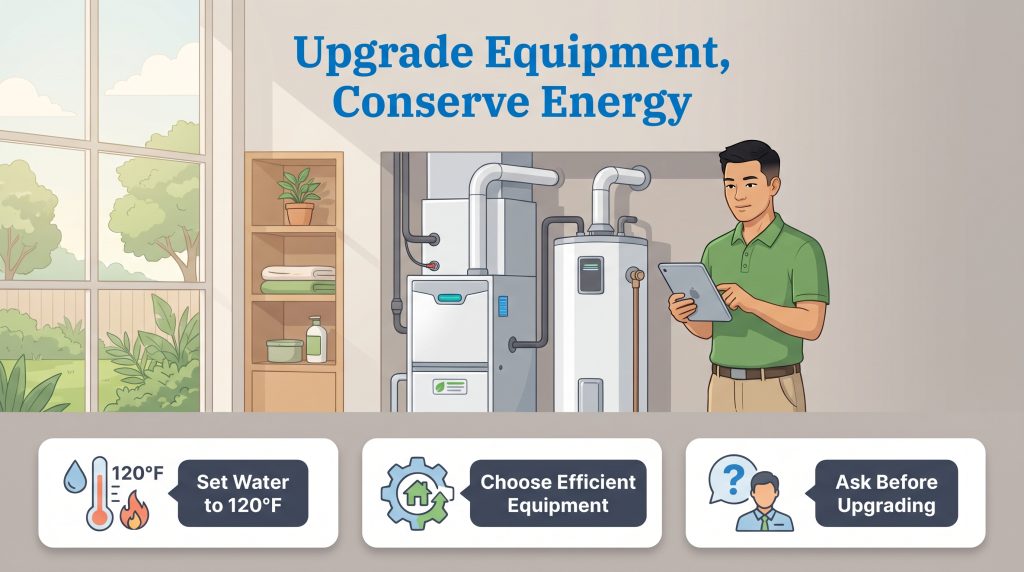
As we become more environmentally mindful, finding ways to reduce our reliance on fossil fuels at home is a priority for many families. If you own your home, upgrading an aging, inefficient gas furnace or a decades-old water heater can drastically shrink your home’s carbon footprint — and your monthly utility bill along with it. However, if you rent, you may have limited control over your major appliances and should always consult your landlord or property manager before exploring equipment changes.
Eco Edge
You can save a noticeable amount of energy simply by turning your water heater down to 120 degrees Fahrenheit, which reduces standby heat loss while still keeping your water warm enough for daily tasks.
When you are ready to make a significant upgrade, doing a little research goes a long way. The EPA ENERGY STAR certified products page is an incredible resource to help you locate highly efficient heating and cooling equipment. By investing in modern technology that maximizes every cubic foot of gas burned, you make an environmentally mindful choice that can lower your energy use over the lifespan of the appliance.
Top Comparisons: Regional Alternatives to Delta Utilities Gas
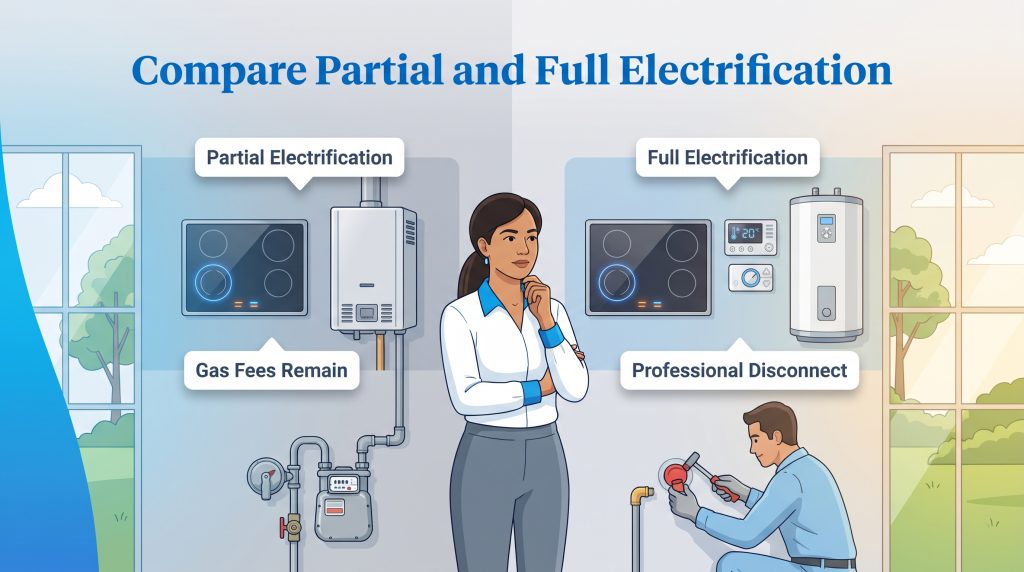
Because of strict monopoly utility regulations in the South, you cannot simply shop around and switch to a competing natural gas provider if you are unhappy with your service. Whether you can choose another gas provider depends entirely on your address — and in Delta Utilities’ territory, they are your designated natural gas distributor. Therefore, if you are looking to reduce your reliance on fossil fuels, your main alternatives involve partial or full home electrification.
Electrification involves replacing your gas-powered appliances with electric alternatives. Upgrading to an electric heat pump for climate control and swapping your traditional stove for an induction cooktop avoids onsite combustion, though the electricity generation powering them may still produce lifecycle emissions. While full electrification eliminates your fixed monthly gas customer charge, partial electrification (replacing just one or two appliances) means you will still receive a gas bill with those fixed fees. If you opt for full electrification, you must coordinate with Delta Utilities and qualified professionals to properly cap and disconnect your gas service. The upfront costs of electrification can be steep, but exploring modern gas vs electric heating efficiency advancements makes it a compelling eco-conscious alternative for homeowners looking to modernize.
| Option | Best Suited To | Main Trade-Off |
|---|---|---|
| Keep Existing Gas Equipment | Households with functioning equipment and limited replacement budgets | Continued gas charges and onsite combustion |
| Electrify Individual Appliances | Households replacing equipment gradually | Fixed gas account charges will remain on your bill |
| Pursue Full Electrification | Owners planning coordinated equipment and electrical upgrades | Higher upfront costs, strict installation requirements, and utility coordination |
Why You Should or Shouldn’t Choose Delta Utilities
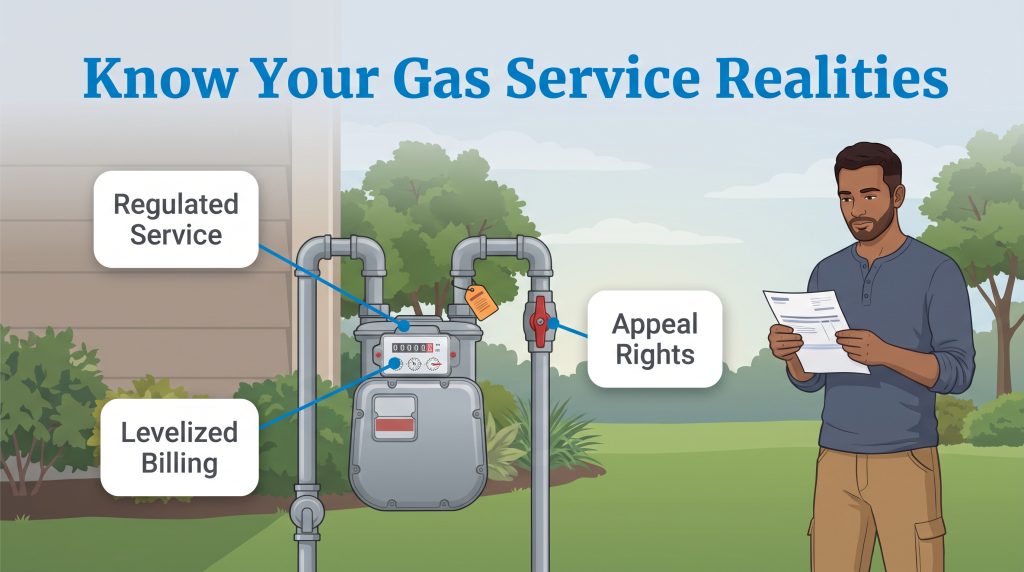
Living in a regulated market means you likely don’t have a choice if your home is already plumbed for gas. However, understanding the realities of being a customer can help you set appropriate expectations and better manage your utility relationship. While relying on natural gas presents inherent environmental drawbacks compared to renewable energy, Delta Utilities offers supportive tools like levelized billing to help manage the financial impact of seasonal weather changes.
If you experience billing issues or service problems, the best course of action is to contact Delta Utilities customer service directly. If a dispute cannot be resolved through their standard support channels, you always have the right to file a complaint with your respective regulatory body (such as the LPSC, MPSC, or New Orleans City Council) for further assistance and investigation.
Navigating the Future of Your Home’s Natural Gas
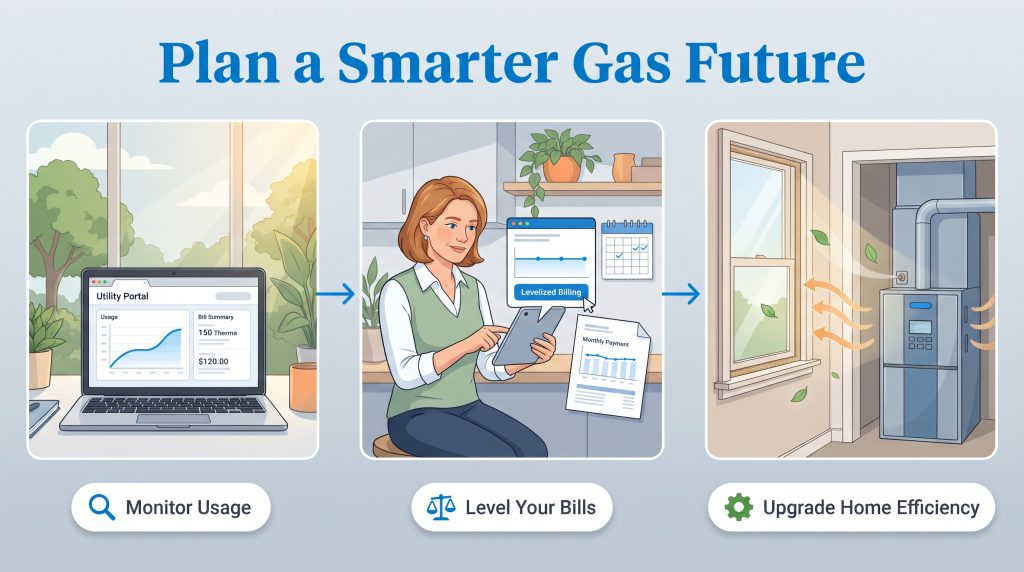
Transitioning into a new utility ecosystem doesn’t have to be a frustrating chore. By taking advantage of the digital tools at your disposal, you can transform an unpredictable utility bill into a manageable household expense. We strongly recommend logging into the MyDU portal regularly to monitor your billing. If those winter heating bills make you nervous, opting into levelized billing early is one of the smartest financial moves you can make to avoid seasonal sticker shock.
Beyond simply paying your bill, think about the long-term efficiency of your home. Small habits, like weatherstripping your windows, alongside larger goals, like upgrading to an ENERGY STAR-certified furnace, offer compounding benefits. You have the power to stay comfortable, keep your budget intact, and make eco-conscious decisions that benefit your entire community. Manage your account proactively, and enjoy a warmer, more efficient home all year round.
Frequently Asked Questions About Delta Utilities
If you still have questions about your natural gas service, we have gathered answers to some of the most common inquiries below. Read on to learn more about emergency contacts, billing variations, and service alternatives.
Are Entergy and Delta Utilities the Same Company?
Why Do Natural Gas Bills Fluctuate?
Does Delta Utilities Have a Mobile App?
How Do I Report a Gas Leak to Delta Utilities?
Can I Switch to a Different Natural Gas Provider in Louisiana or Mississippi?
Does Delta Utilities Require a Deposit to Start Service?
About the Author

David has been an integral part of some of the biggest utility sites on the internet, including InMyArea.com, HighSpeedInternet.com, BroadbandNow.com, and U.S. News. He brings over 15 years of experience writing about, compiling and analyzing utility data.