
Understanding the electricity generation process and how power gets to your home can help you make eco-conscious and cost-saving choices.
Key Takeaways
- Electricity is generated from various sources, including fossil fuels, nuclear power, and renewable energy like wind and solar.
- The power grid is a complex network that continuously transmits and distributes electricity from power plants directly to your wall outlets.
- In some states, you can choose your electricity supplier, allowing you to support more renewable energy and reduce your household’s carbon footprint.
You flip a switch in your new home and the lights instantly turn on, but we rarely pause to think about the massive journey that power takes to reach our walls. Behind every glowing bulb and humming refrigerator is an intricate system of generation and delivery working around the clock. We want to demystify the power grid for you, answering exactly where your electric power originates. By understanding this complex process, you can make smarter, environmentally mindful choices that might even lower your monthly utility costs.
The Basics: What Is Electricity and How Is It Generated?
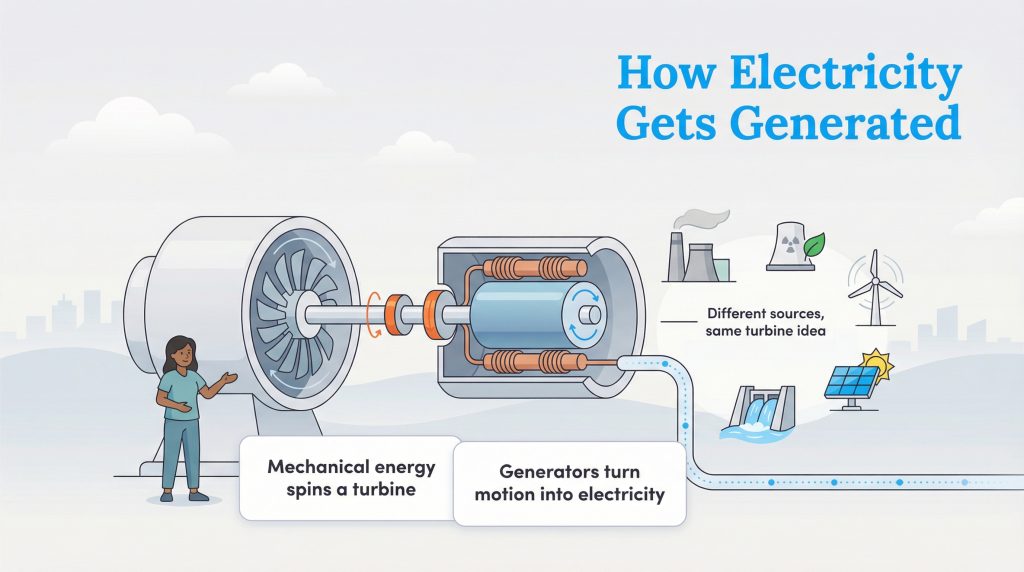
At its core, electricity is simply the flow of electrical power or charge. It happens when electrons move from one atom to another. But how is electricity generated on a scale large enough to power entire cities? The answer usually involves a spinning turbine. Most power plants use a fuel source to heat water, creating steam that pushes the blades of a giant turbine. This turbine connects to a generator containing large magnets and copper wire. As the magnets spin inside the wire coils, they force electrons to move, creating a steady flow of electrical current. While most power plants use steam, it is worth noting that some methods, like wind and solar, bypass the boiling water phase entirely.
While the mechanical process remains largely the same across the board, the methods used to spin those turbines vary widely. Here are the main types of power plants generating energy today:
- Natural Gas: Burns gas to produce high-pressure steam or hot combustion gases that spin a turbine.
- Coal: Combusts mined coal to heat water into steam.
- Nuclear: Splits uranium atoms in a process called fission to generate intense heat and steam.
- Wind: Uses the natural kinetic energy of the wind to turn massive aerodynamic blades.
- Hydroelectric: Relies on the force of flowing water from dams or rivers to spin an underwater turbine.
- Solar: Captures sunlight using photovoltaic cells to knock electrons loose, generating a current without needing a spinning turbine.
Renewable vs. Nonrenewable Energy Sources
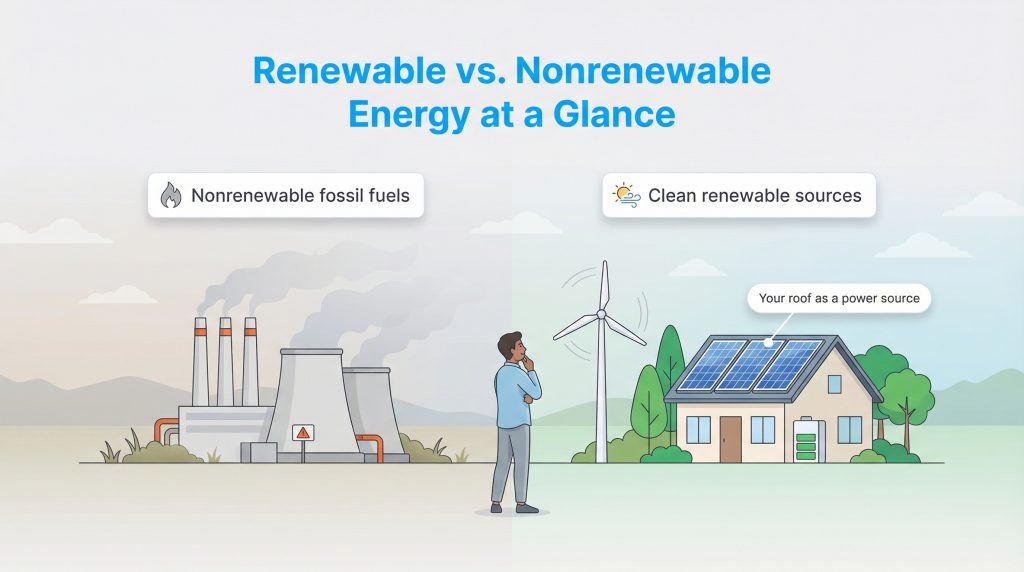
When we look at the big picture of renewable vs nonrenewable energy, the main difference lies in how quickly the fuel source replenishes. Nonrenewable sources like coal, oil, and natural gas formed millions of years ago deep underground. Once we extract and burn them, they are gone forever. While they currently make up a significant portion of the grid, relying heavily on them creates greenhouse gas emissions that contribute to climate change. According to recent data from the U.S. Energy Information Administration (EIA), fossil fuels still dominate, but the landscape is rapidly shifting.
Renewable energy sources offer an environmentally mindful choice because they rely on abundant, naturally replenishing elements like sunlight, wind, and geothermal heat. Comparing fossil fuels vs renewable energy electricity highlights a major benefit: renewables produce little to no emissions during operation. However, because renewable sources can be variable, the sun does not always shine and the wind does not always blow, the grid relies on a mix of generation, battery storage, and demand management to keep power flowing reliably. As technology improves, harnessing these natural resources becomes more affordable and reliable for everyday consumers. You can even bring this technology directly to your property by installing residential solar panels, effectively turning your own roof into a miniature power plant.
How Does the Power Grid Work? The Journey to Your Socket
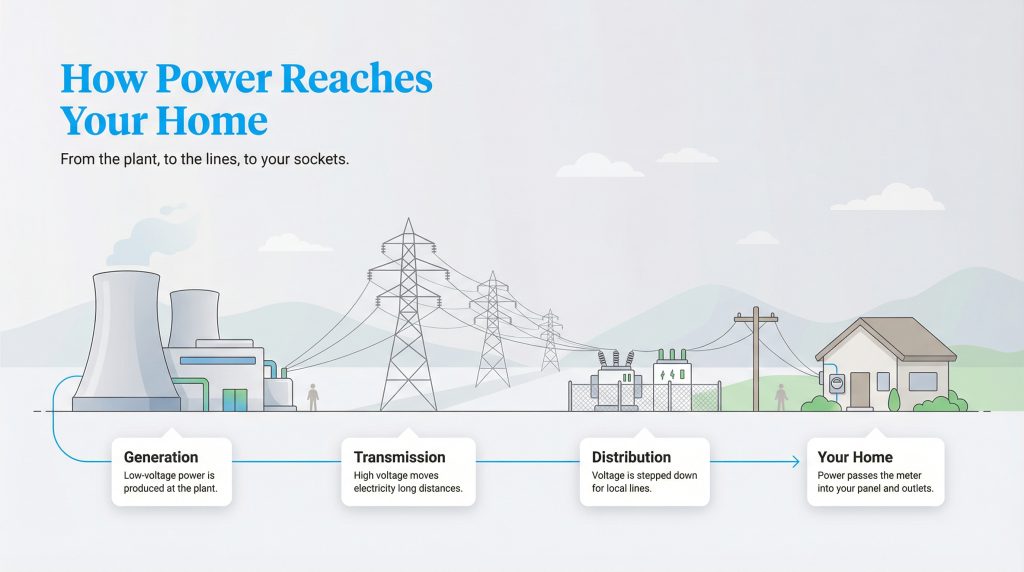
Understanding what is the power grid helps explain the incredible speed at which energy travels. The grid is a vast, interconnected network of power plants, transmission lines, and transformers. The electricity generation process is just the first phase. Here’s exactly how electricity gets to your home:
- Generation: Power plants produce electricity at a relatively low voltage.
- Transmission: The electricity travels to a transformer that steps up the voltage significantly. This high voltage allows the power to travel long distances across massive transmission towers with minimal energy loss.
- Distribution: Once the power reaches your local area, it hits a substation. Here, transformers step the voltage back down to safer levels before sending it across the smaller distribution lines you see along streets.
- Your Home: The electricity passes through your property’s meter, which measures your usage, and flows into your breaker panel before finally reaching your wall sockets.
Where Does My Electricity Come From by ZIP Code?
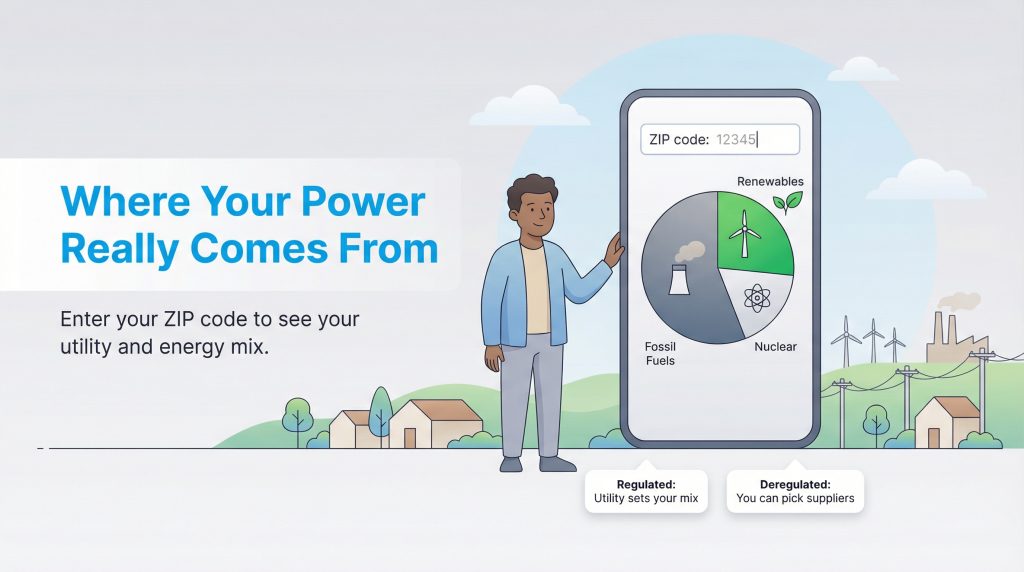
Because the grid is a massive pool of energy, you can’t trace the exact electrons in your wall directly back to a specific wind farm or coal plant. However, you can figure out where does my electricity come from by zip code by looking at your local utility’s energy mix. If you live in a regulated energy market, your local utility company provides a standard energy mix based on nearby power plants. You can typically find a breakdown of this mix directly on your monthly utility bill or the provider’s website.
If you live in a deregulated market, you have the power to choose your electricity supplier. In these deregulated areas, it is important to understand the difference between your utility and your supplier. The utility is the delivery company that maintains the physical poles and wires, while the supplier is the company generating or purchasing the electricity you use. Knowing this difference means you can actively shop for a plan that prioritizes renewable resources. Many states offer official comparison tools, like Texas’s official energy choice portal, allowing residents to enter their ZIP code and filter plans by the percentage of renewable energy they include. Taking a few minutes to review these local portals empowers you to pick a plan that aligns with your household budget and personal values.
New Home Energy Setup Checklist
If you are moving into a new place, figuring out your energy mix and options does not have to be a chore. Follow these quick steps to find your utility, explore supplier options, and review plan details:
- Identify your local utility: Find out which company delivers power to your geographic location.
- Check your state’s market: Determine if you live in a regulated or deregulated market to see if you can shop around for an electricity supplier.
- Review the energy mix: Look for a “Power Content Label” or “Electricity Facts Label” on your utility’s or supplier’s website to see the exact percentage of renewable energy they use.
- Compare plans: If you have choice, use your state’s official comparison site to shop for competitive rates and eco-conscious options.
| Market Type | Utility (Delivery Company) | Supplier (Generation Company) |
|---|---|---|
| Regulated | Assigned based on where you live. | Assigned. The utility handles both delivery and generation. |
| Deregulated | Assigned based on where you live. | You can actively choose a company to supply your energy. |
How to Choose Green Energy Providers for Your New Home
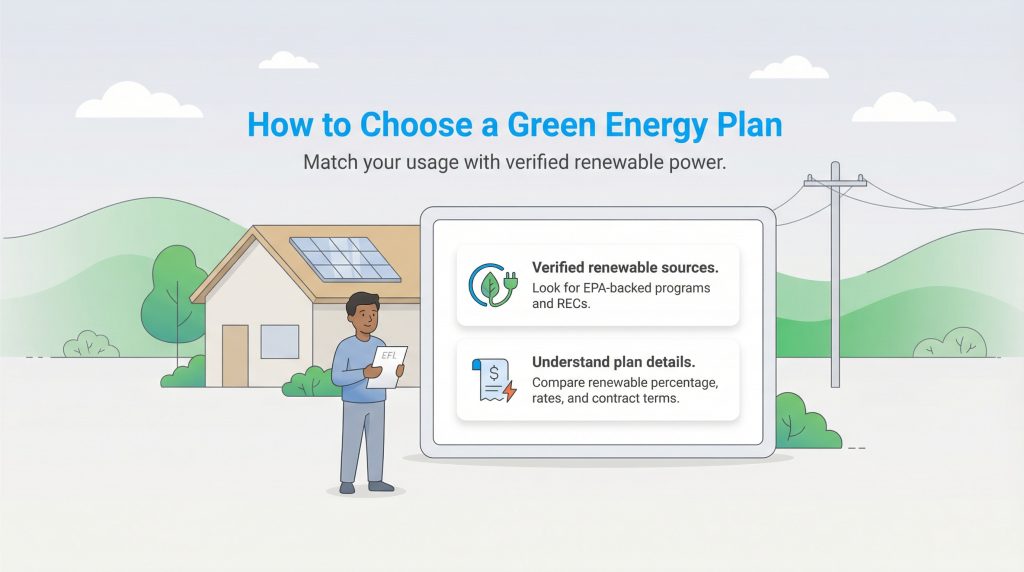
Moving into a new place is the perfect time to evaluate green energy providers. When you opt for a 100% renewable plan, your provider purchases enough renewable energy to match your household’s exact usage and feeds it into the shared grid. This creates an energy-saving option that actively supports the growth of clean power infrastructure. Start by looking for providers that partner with verified environmental programs, keeping EPA’s criteria for green power in mind as a benchmark for quality and transparency. Before signing up, review the plan documents or Electricity Facts Label to confirm the exact renewable percentage and ensure it is legitimately backed by Renewable Energy Certificates.
You should also compare the contract terms and pricing structures. Some companies offer free nights or weekends, while others provide solar buy-back programs in some areas, depending on your utility and state rules, if you generate your own power. Switching to a green provider is one of the easiest ways to reduce your carbon footprint while still lowering your monthly electric bill. Just be sure to read the electricity facts label so you fully understand the fixed or variable rates before signing up.
Wrapping Up Your Home’s Energy Journey
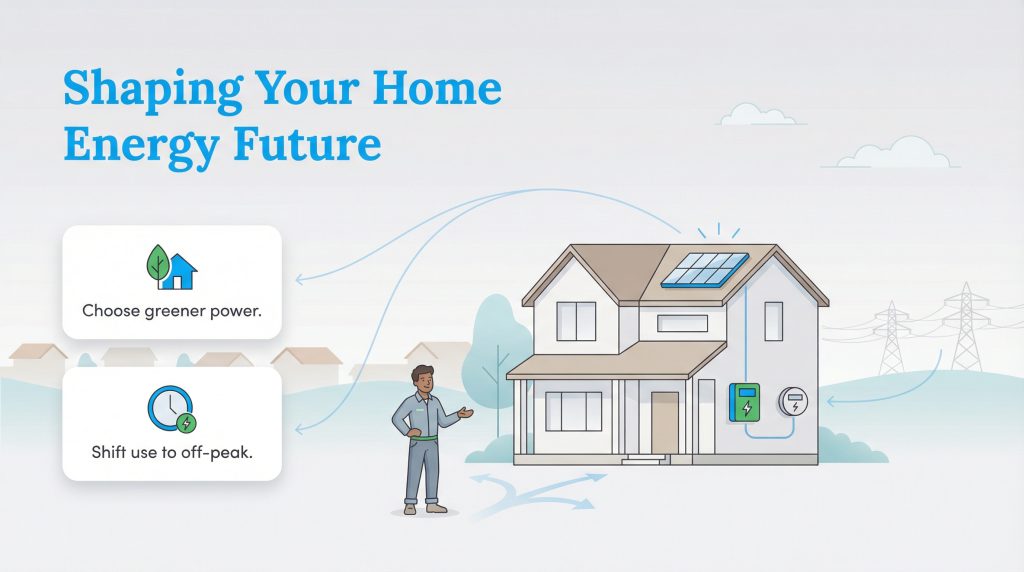
Flipping a light switch feels like a simple action, but it triggers an incredible sequence of events spanning miles of transmission lines and massive power plants. Knowing where your electricity originates gives you a deeper appreciation for the complex grid that keeps our daily lives running smoothly. Armed with this knowledge, you have a solid foundation to make smarter, eco-conscious decisions. Whether you decide to switch to a green provider or simply shift your heavy energy usage to off-peak hours, you hold the power to shape a more sustainable future for your home.
Frequently Asked Questions About Where Electricity Comes From
Who invented electricity?
What is the most common source of electricity in the US?
Does my electricity come directly from a specific power plant?
Can I generate my own electricity at home?
Why do electricity prices fluctuate based on where I live?
What is the difference between a utility company and an electricity supplier?
About the Author

David has been an integral part of some of the biggest utility sites on the internet, including InMyArea.com, HighSpeedInternet.com, BroadbandNow.com, and U.S. News. He brings over 15 years of experience writing about, compiling and analyzing utility data.