
Prepare Your Budget for Higher Electricity and Natural Gas Costs During the Peak Heating Season
Key Takeaways
- Minnesota regulators approved interim rate increases of 6.4% for Xcel Energy and 7.1% for Minnesota Power residential electric customers.
- Natural gas customers will see a 3.9% rate hike for both Xcel Energy and CenterPoint Energy this winter.
- You can mitigate these structural household costs by enrolling in budget billing and energy assistance programs like LIHEAP.
If you are moving into a new home in Minnesota or just trying to manage your monthly budget, you will want to keep a close eye on your upcoming utility bills. On Nov. 16, 2026, the Minnesota Public Utilities Commission approved interim rate increases for several major utility providers across the state. While regulators negotiated these temporary hikes down from the utilities’ original requests, these changes will still impact your household during the peak winter heating season. Here at UtilitiesForMyHome.com, we want to help you understand exactly what these increases look like, why they are happening, and how you can take action to protect your wallet and make eco-conscious energy choices.
Impacted Regions and Service Territories
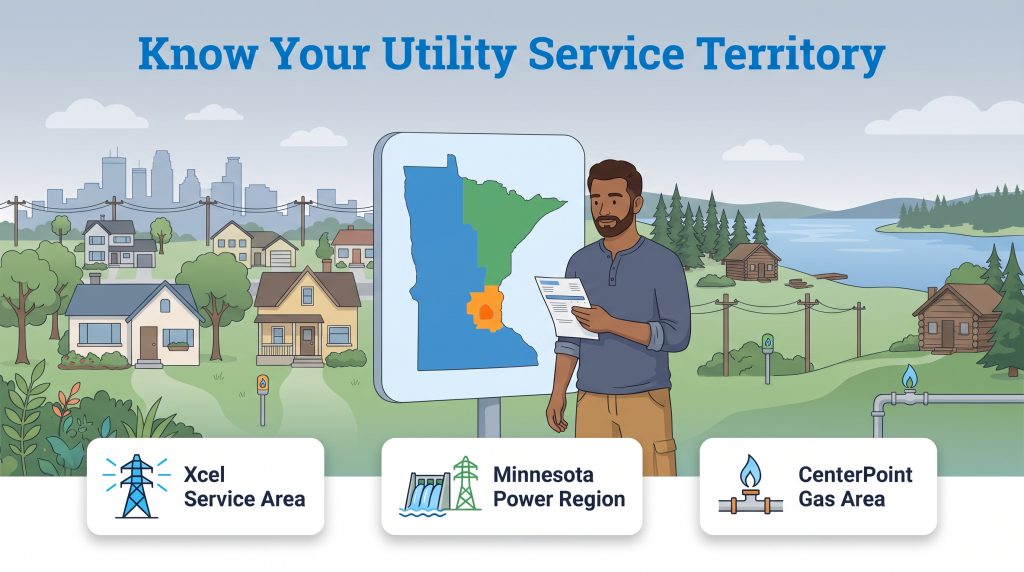
The recent rate adjustments affect a vast number of residents across the state, spanning multiple utility service areas. It is important to know which provider covers your specific region so you can anticipate the changes to your bill.
- Xcel Energy: This provider’s electric and natural gas service territory covers much of the Twin Cities metropolitan area, including Hennepin and Ramsey counties, as well as portions of central and southern Minnesota.
- Minnesota Power: This utility serves electric customers across northeastern Minnesota, heavily impacting Duluth and the surrounding St. Louis County region.
- CenterPoint Energy: This company provides natural gas to a significant portion of the Minneapolis-St. Paul metro and central Minnesota regions.
Interim Rate Increases by the Numbers
The regulatory mechanics of rate cases often result in hidden, immediate costs to consumers long before a final decision is reached. During the mid-November regulatory session, the commission approved immediate interim hikes across multiple major investor-owned utilities. To help you track exactly how much your provider requested versus what they actually received, we have compiled the approved figures below.
| Utility Provider | Service Type | Initial Proposed Increase | Approved Interim Increase |
| Xcel Energy | Electricity | 9.4% | 6.4% |
| Minnesota Power | Electricity | 14.2% | 7.1% |
| Xcel Energy | Natural Gas | Not specified | 3.9% |
| CenterPoint Energy | Natural Gas | Not specified | 3.9% |
Electricity Rate Changes
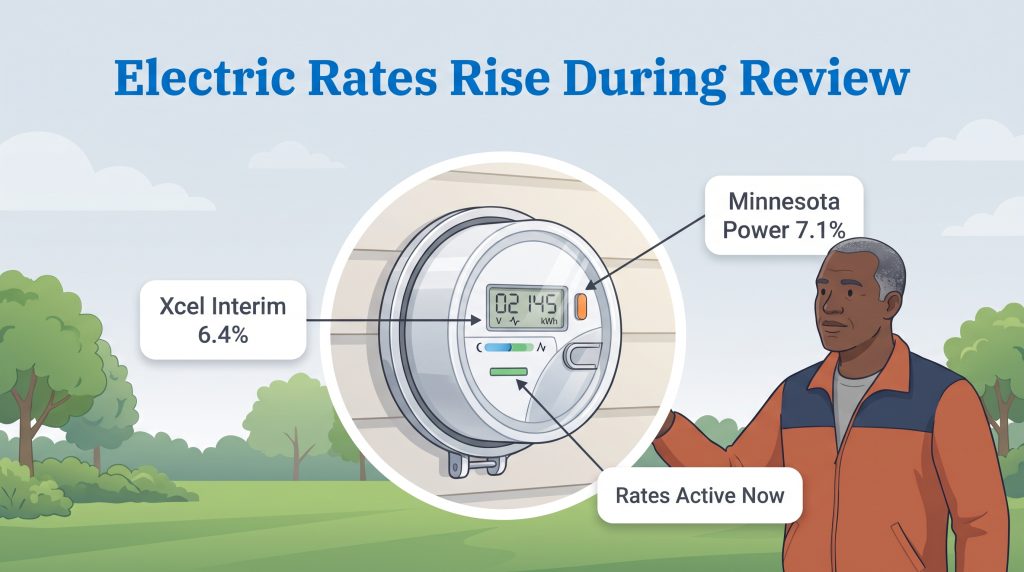
When it comes to keeping the lights on, both Xcel Energy and Minnesota Power residential electric customers will see immediate changes. The commission approved a 6.4% interim rate increase for Xcel, which is a notable reduction from the company’s initial 9.4% proposal. Minnesota Power secured a 7.1% interim increase for its residential electric base, dialed back from an initial aggressive 14.2% request.
While the PUC notes that the average residential customer will likely see an increase of roughly $0.04 per month based on specialized base-rate calculations, percentage increases of this size still signal a broader revenue shift. Utilities are legally permitted to collect these elevated rates while the PUC conducts its exhaustive, year-long audit of the general rate cases, meaning your electric costs are going up right now.
Natural Gas Rate Changes
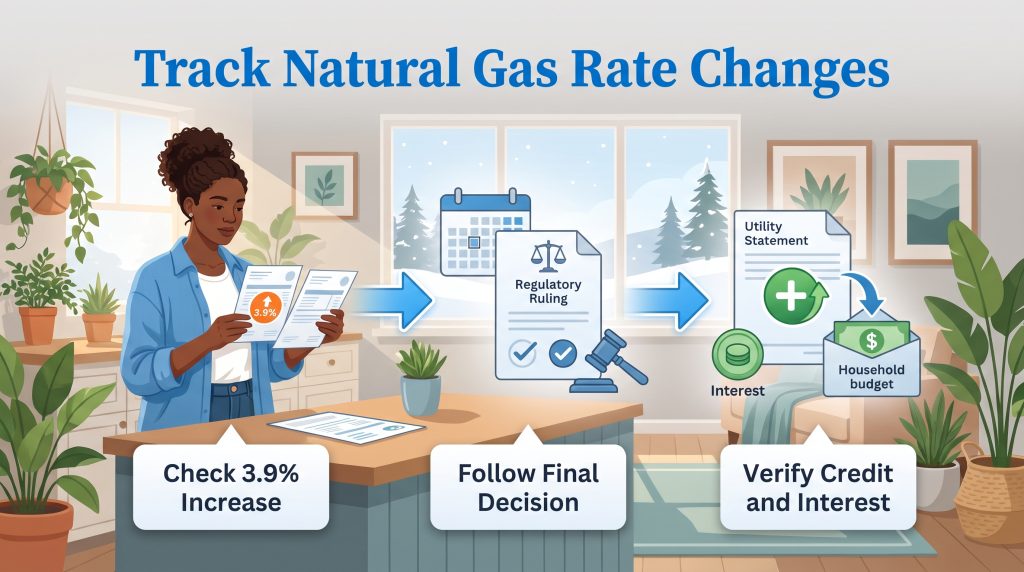
Your heating costs are also going up this winter, as the PUC approved interim rate increases for major natural gas providers in the state. Xcel Energy natural gas customers will experience a 3.9% interim rate hike on their bills. Simultaneously, CenterPoint Energy residential natural gas customers will also see a 3.9% interim increase.
These rate hikes — even temporary ones — act as a structural vulnerability for household budgets. The interim structure effectively enforces an involuntary micro-loan from you to the utility corporation during the coldest months of the year, actively draining liquidity from working-class households. If the Minnesota Public Utilities Commission ultimately decides the final approved rates should be lower than these interim figures, the utilities must issue customer credits with interest.
Why Are Rates Increasing
You might be wondering why your utility companies need more revenue right now. According to the dockets filed with state regulators, these increases are primarily driven by three main factors.
- Inflationary Pressures: Utilities cite the rising costs of materials, labor, and basic operational maintenance.
- Grid Winterization: Companies are heavily investing in grid resilience and weatherization projects to keep service reliable during Minnesota’s extreme winter weather.
- Renewable Transition Mandates: The state has set aggressive clean energy goals, and utilities are passing the infrastructure costs of transitioning to wind and solar down to the consumer base.
Actionable Steps to Manage Your Utility Costs
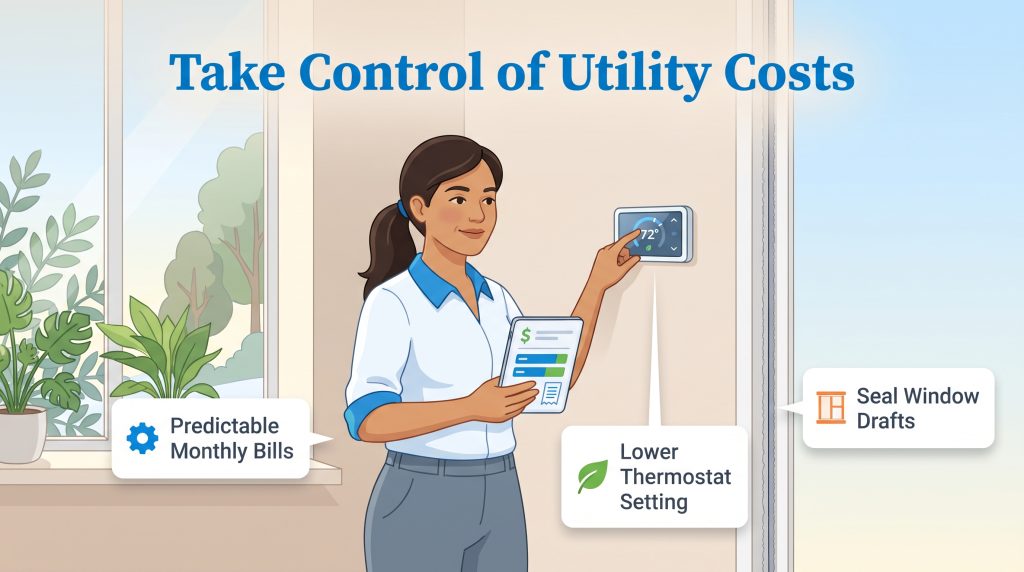
We know that navigating sudden rate increases can be stressful, but you have options to help keep your costs manageable this winter. Taking control of your usage is an excellent environmentally mindful choice that also saves you money.
Enroll in Budget Billing
Ask your utility provider about budget billing programs. These plans average out your annual energy use, giving you predictable, consistent monthly payments instead of massive winter spikes.
Prioritize Energy Efficiency
Small changes make a big difference for your wallet and your carbon footprint. Lowering your thermostat a few degrees, sealing drafty windows, and maintaining your HVAC system can help offset these rate hikes. Consider checking ENERGY STAR for rebates on eco-conscious appliances or smart thermostats that optimize your home’s energy use automatically.
Look Into Assistance Programs
If you are struggling to keep up with the new rates, look into the Low Income Home Energy Assistance Program (LIHEAP) or local Minnesota community action programs for financial support. These programs exist specifically to prevent service shutoffs during the peak heating season.
Looking Ahead to Final Rate Decisions
As state regulators spend the next year exhaustively auditing these general rate cases, we will keep you updated on whether these interim rates become permanent or if you can expect a refund check with interest. In the meantime, taking proactive steps to weatherize your home and monitor your energy usage can help you navigate this winter heating season. By making small, energy-saving choices, you can protect your household budget while also reducing your environmental impact.
About the Author

Claudio is a sustainability-focused writer with a background in Anthropology and Psychology from NC State University. He has spent over 15 years working in writing, interpretation, and translation, driven by a deep interest in how human culture shapes the environment. Today, he shares his curiosity with readers by writing about sustainable living solutions and the connection between everyday choices and environmental impact.