
Key Takeaways
- Rates are Rising: Starting January 1, 2026, Central Maine Power (CMP) residential supply rates have jumped from roughly 10.6 cents to 12.72 cents per kWh, while Versant Power’s Bangor Hydro District rates have risen to 12.95 cents per kWh.
- The Culprits: The increases are driven primarily by volatility in global natural gas markets and “risk premiums” suppliers are charging due to uncertainties in Maine’s renewable energy policies.
- Stick to the Standard: Despite the hike, the state-managed “Standard Offer” remains lower than almost all third-party competitive supplier options currently available.
- Assistance is Available: Eligibility for the Home Energy Assistance Program (HEAP) helps unlock debt forgiveness programs like the Arrearage Management Program (AMP) for struggling households.
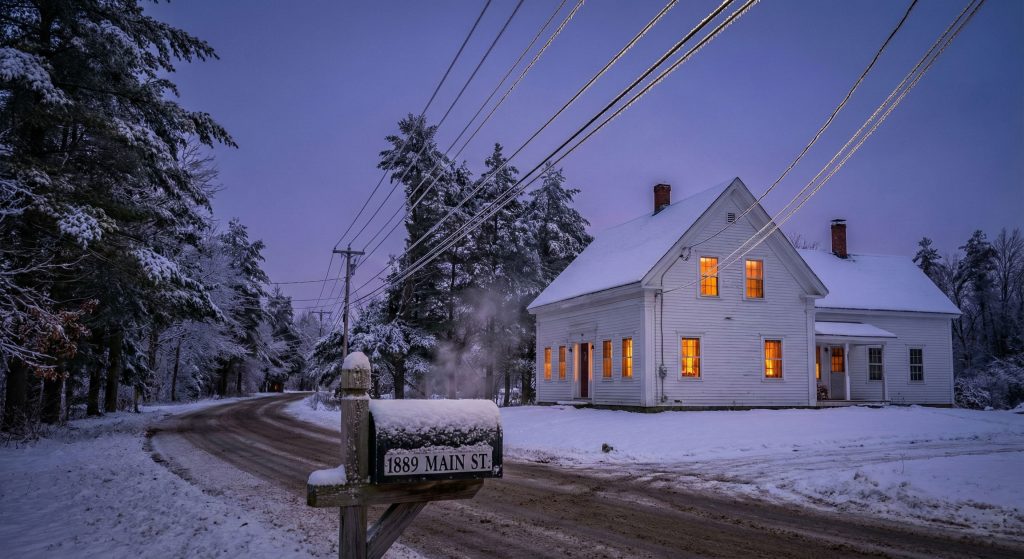
As of January 1, 2026, Maine households are facing a steeper cost for keeping the lights on. The Maine Public Utilities Commission (MPUC) has approved significant increases to the Standard Offer electricity supply rates for customers of both Central Maine Power (CMP) and Versant Power.
For the average home, these changes represent a monthly bill increase of approximately $11 to $17, depending on location and usage. Here is a breakdown of what is changing, which cities are impacted, and why your bill is going up.
The New Rates: By the Numbers
The “Standard Offer” is the default rate you pay for the actual electricity you use if you haven’t signed a contract with a third-party supplier.
- Central Maine Power (CMP): The residential supply rate has increased roughly 20%, moving from 10.61 cents/kWh in 2025 to 12.72 cents/kWh for 2026.
- Versant Power (Bangor Hydro District): Rates have jumped approximately 23%, moving from 10.56 cents/kWh to 12.95 cents/kWh.
- Versant Power (Maine Public District): Northern Maine faces the highest costs, with rates surging from roughly 11.65 cents/kWh to nearly 14.88 cents/kWh.
Which Cities are Impacted?
Your rate depends on your transmission and distribution utility.
Central Maine Power Territory (12.72 cents/kWh) This territory covers central and southern Maine. Major impacted cities include:
- Portland & South Portland
- Lewiston & Auburn
- Augusta, Waterville, & Brunswick
- Biddeford, Saco, & Sanford
- Westbrook & Bath
Versant Power – Bangor Hydro District (12.95 cents/kWh) This district covers eastern and coastal Maine. Major impacted cities include:
Versant Power – Maine Public District (14.88 cents/kWh) This district covers Aroostook County and parts of Penobscot County. Major impacted cities include:
Why Are Rates Going Up?
The MPUC and energy analysts point to two main drivers for the 2026 price surge:
1. Global Natural Gas Markets New England’s power grid relies heavily on natural gas. Because the region has limited pipeline capacity, it must compete with Europe and Asia for Liquefied Natural Gas (LNG) during the winter. With U.S. LNG exports projected to double by 2030, New England is increasingly exposed to global price volatility. Suppliers bid higher to protect themselves against these potential winter price spikes.
2. The “Risk Premium” Suppliers added a “risk premium” to their bids this year due to uncertainty surrounding Maine’s Net Energy Billing (NEB) program, which subsidizes community solar projects. The complexities of settling these solar accounts create financial risks for suppliers, costs which are then passed down to ratepayers.
Should You Switch Suppliers?
With rates rising, you might be tempted to look for a third-party Competitive Electricity Provider (CEP). However, current market data suggests caution.
- Standard Offer is Competitive: Most competitive offers for 2026 are currently trading above the Standard Offer. For example, in CMP territory, offers range from roughly 13.25 cents to over 15.99 cents per kWh, often higher than the 12.72 cent Standard Offer.
- Watch for “Green” Premiums: Many third-party plans include a premium for 100% renewable energy. While this supports green generation, it will increase your bill further.
Help is Available
If you are struggling to pay your new bill, take action immediately:
- Apply for HEAP: The Home Energy Assistance Program (HEAP) has income limits of roughly $70,839 for a family of four. Applying for HEAP is the gateway to other aid.
- Arrearage Management Program (AMP): If you are eligible for HEAP and have an overdue balance of $500 or more, the AMP can forgive your debt. For every month you pay your current bill on time, the utility will forgive 1/12th of your past debt.
For more information on rates and assistance, visit the Maine Public Utilities Commission or the Office of the Public Advocate.
About the Author

David has been an integral part of some of the biggest utility sites on the internet, including InMyArea.com, HighSpeedInternet.com, BroadbandNow.com, and U.S. News. He brings over 15 years of experience writing about, compiling and analyzing utility data.