
A new fuel surcharge adds about $8 to your monthly electricity bill, but you can take smart steps to keep your home utility costs down.
Key Takeaways
- Dominion Energy Virginia enacted an approved fuel surcharge increase of $7.97 per 1,000 kWh starting July 1, 2026.
- The price hike is a pass-through cost driven by extreme winter weather, global fuel market volatility, and carbon compliance costs from rejoining the Regional Greenhouse Gas Initiative.
- While residential consumers cannot switch providers in Virginia’s regulated market, you can leverage energy-saving programs, budget billing, and expanded state income assistance programs to offset the impact.
If you opened your latest electric bill and felt a sudden jolt, you are not alone. Starting July 1, 2026, Dominion Energy Virginia officially rolled out a fuel rate increase that tacks roughly $8 — specifically $7.97 — onto the monthly bill of a typical household using 1,000 kilowatt-hours of electricity. Because we are dedicated to helping you make smart, practical, and eco-conscious decisions for your home, we have broken down exactly why these rates are shifting, who is affected across the state, and the best energy-saving steps you can take to keep your hard-earned money in your wallet.
Why Your Dominion Energy Rates Are Rising
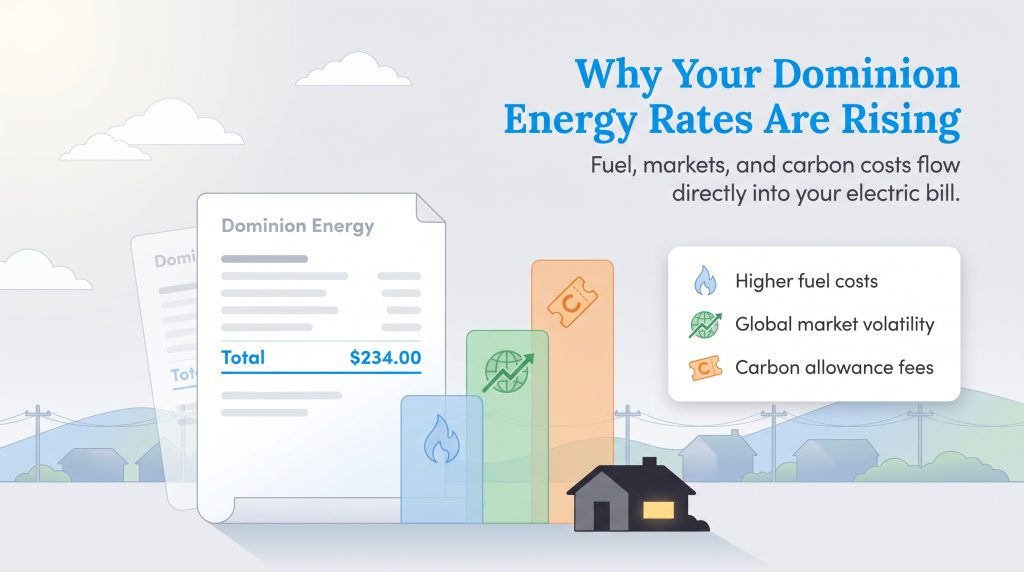
Electricity prices do not just jump overnight without a paper trail. In Virginia, the State Corporation Commission regulates how utilities charge customers, and the latest rate hike is tied to the volatile cost of fuel. Since Dominion Energy is legally prohibited from making a profit on the fuel it buys to run its plants, these adjustments are direct pass-through costs passed on to you.
Extreme Winter Weather Spikes
During the winter of 2025–2026, severe arctic weather forced families to crank up their heat. To meet this massive demand, Dominion had to buy high-cost fuel and purchase expensive wholesale power from the regional grid. More than half of the utility’s unrecovered fuel deficit — about $567 million — was incurred in Jan. 2026 alone when freezing temperatures gripped the state.
Global Energy Markets and Fuel Volatility
Our continued reliance on fossil fuels like natural gas and coal leaves us exposed to global market turbulence. Recent geopolitical conflicts have driven wholesale fuel prices higher, directly impacting what you pay to keep your lights on. Because fossil fuels must be continually bought and burned, customers remain vulnerable to these international price shifts.
Rejoining the Carbon Market
Virginia recently rejoined the Regional Greenhouse Gas Initiative, known as RGGI. While this program helps fund clean energy and flood-resilience projects across the state, it also requires power plants to buy carbon allowances. This adds upward pressure to electricity generation costs, which eventually trickles down to your monthly invoice.
What the Surcharge Means for Your Household Bill
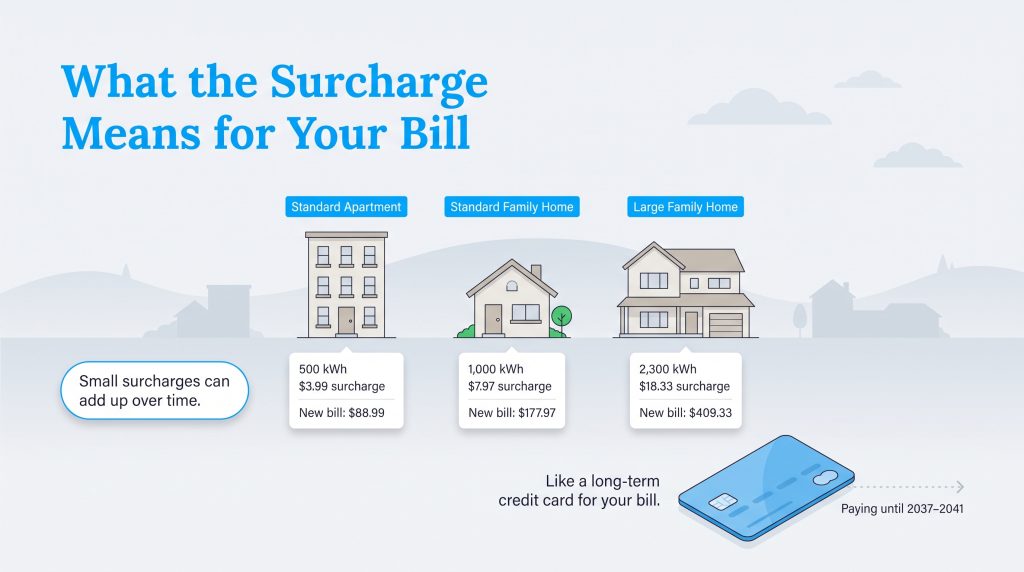
An extra $8 a month might sound small on paper, but it adds up quickly over the course of a year, especially during the peak summer and winter months. The actual impact on your bill depends entirely on how much energy your home consumes.
| Home Type and Size | Average Monthly Usage | Estimated Monthly Surcharge | New Estimated Monthly Bill |
| Standard Apartment | 500 kWh | $3.99 | $88.99 |
| Standard Family Home | 1,000 kWh | $7.97 | $177.97 |
| Large Family Home | 2,300 kWh | $18.33 | $409.33 |
The Hidden Cost of Spreading Out Utility Debt
To prevent your bill from jumping by a painful $22 a month all at once, state lawmakers allowed Dominion to utilize “securitization.” This process turns the unpaid fuel debt into long-term bonds, which keeps your immediate surcharge lower. However, it means you will be paying interest and fees to banks on 2026 energy all the way until 2037 or 2041. It is a bit like putting your electric bill on a long-term credit card.
Major Virginia Cities and Regions Affected by the Rate Change
Because Dominion Energy Virginia serves more than 2.5 million customers, this rate adjustment touches households in almost every corner of the Commonwealth. Whether you are moving into a suburban townhouse or renting an urban apartment, your local rates have likely shifted.
Impacted Municipalities Across the State
The rate hike applies to all of Dominion’s retail service territories. This includes major Northern Virginia hubs like Alexandria, Arlington, Fairfax, and Loudoun County. Central Virginia areas like Richmond, Henrico, and Chesterfield are also affected. Coastal residents in Virginia Beach, Norfolk, Chesapeake, Suffolk, and Newport News are seeing these charges, along with western cities like Staunton and Waynesboro.
Smart Steps to Lower Your Monthly Electricity Costs
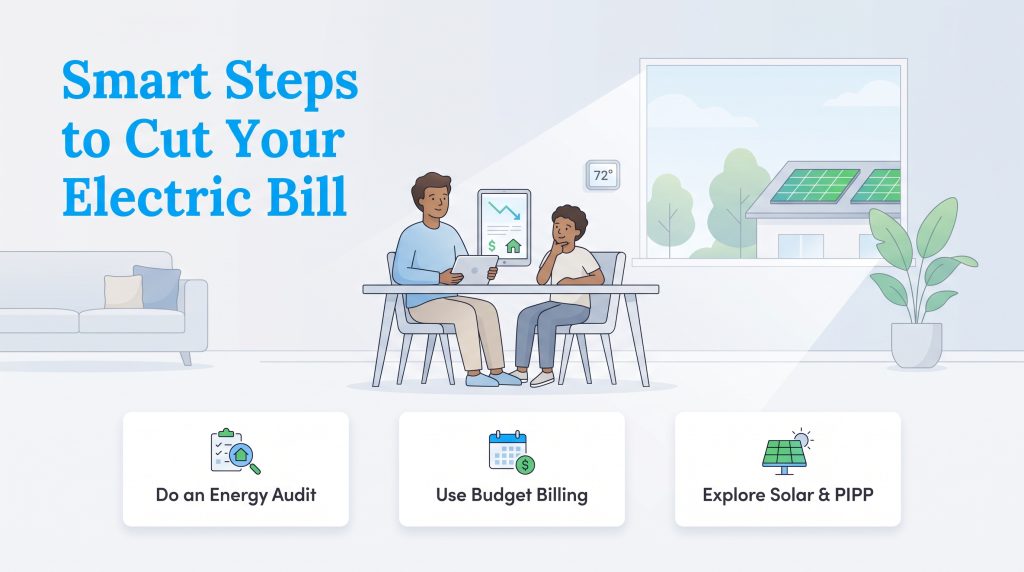
Since Virginia operates a regulated electricity market, residential customers cannot simply switch to a competitive provider to find a lower rate. However, that does not mean you are powerless when it comes to lowering your utility bills.
Tap Into Energy-Saving Programs and Audits
One of the best ways to fight back against rising rates is to reduce your home’s energy footprint. You can start by completing a virtual energy audit through Dominion to identify quick fixes, or schedule a Home Energy Assessment to have an expert install energy-saving upgrades at no cost.
Shield Your Budget with Strategic Billing Options
To avoid massive seasonal swings on your bill, we highly recommend enrolling in Budget Billing. This free program averages your previous 12 months of electricity usage to give you a predictable, flat monthly payment. If you are struggling to make ends meet, programs like EnergyShare provide emergency heating and cooling help.
Take Advantage of Expanded Income-Based Assistance
Virginia has expanded the Percentage of Income Payment Program, or PIPP. Managed by the Virginia Department of Social Services, this program is now open to families with household incomes up to 200% of the federal poverty level. Eligible households can cap their electric bills at just 3% or 5% of their monthly income, providing a critical financial safety net.
Transition to Eco-Conscious Energy Options
If you want a more permanent shield against fuel market volatility, adopting an environmentally mindful choice like rooftop solar can drastically cut your grid consumption. Under Virginia law, you may qualify for a tax deduction of up to $10,000 for installing solar panels or purchasing ENERGY STAR certified products. You can find more efficiency tips through the U.S. Department of Energy or search the ENERGY STAR portal for energy-saving deals.
Taking Control of Your Home Energy Future
Navigating rising utility rates can feel overwhelming when you are trying to settle into a new home or manage a tight budget. While global fuel volatility and weather events are out of your hands, you have plenty of practical, energy-saving options to offset the impact of the latest Dominion Energy rate increase. By embracing smart home efficiency, enrolling in protective billing programs, and looking toward sustainable energy alternatives, you can protect your wallet and build a more resilient, eco-conscious household for the years to come.
Frequently Asked Questions About the Dominion Energy Virginia Rate Hike
Why is Dominion Energy Virginia raising electricity rates?
Can I switch electricity providers in Virginia to get a lower rate?
What is the best way to avoid sudden jumps in my monthly bill?
How do I qualify for Virginia’s Percentage of Income Payment Program?
About the Author

Claudio is a sustainability-focused writer with a background in Anthropology and Psychology from NC State University. He has spent over 15 years working in writing, interpretation, and translation, driven by a deep interest in how human culture shapes the environment. Today, he shares his curiosity with readers by writing about sustainable living solutions and the connection between everyday choices and environmental impact.