
Residents will see an average monthly bill increase of $6.46 starting May 1, 2026, as state regulators approve a $276 million revenue hike for grid reliability
Key Takeaways
- A typical residential bill will increase by 8.9%, which means a household using 500 kWh of electricity will pay roughly $6.46 more each month.
- Infrastructure and reliability upgrades are the primary drivers behind the increase, with millions of dollars earmarked for tree trimming, burying power lines, and grid modernization.
- Electricity choice remains limited by a state-mandated cap, making energy-saving programs and solar energy some of the most effective ways for you to manage your home’s utility costs.
If you live in Michigan and use Consumers Energy for your electricity, your monthly budget is likely about to shift. Starting May 1, 2026, most households will see a bump in their utility costs following a recent $276.6 million rate hike approved by the Michigan Public Service Commission. While nobody loves seeing their bills go up, especially for the second year in a row, we’re here to help you navigate these changes. From understanding why the prices are climbing to finding the best assistance programs for your family, our goal is to ensure you stay powered up without breaking the bank while making environmentally mindful choices for your home.
Why Your Electric Rates Are Changing This Spring
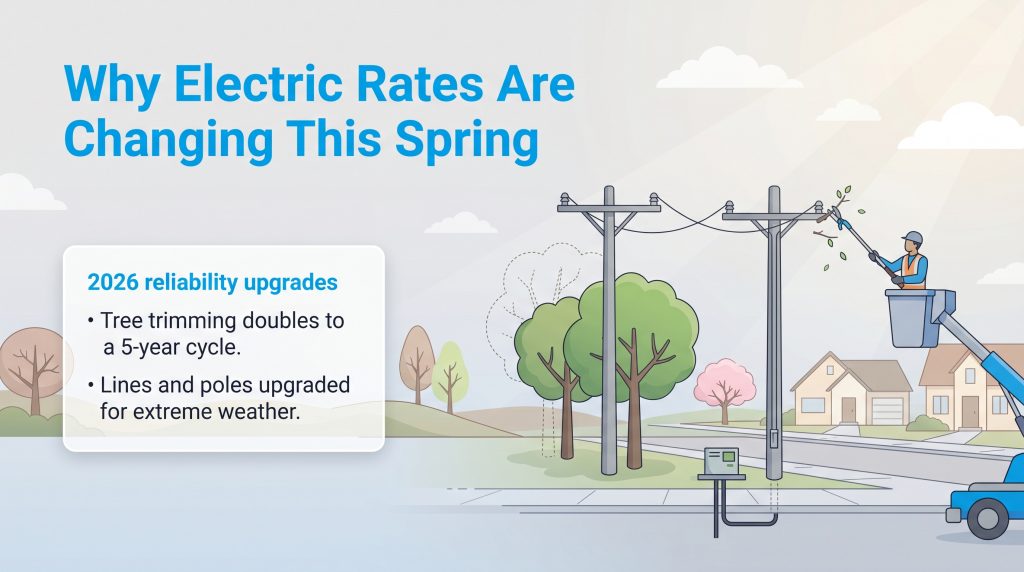
The recent decision by state regulators to approve a $276.6 million increase follows a nearly year-long review process. While Consumers Energy originally requested a much larger $436 million hike, the approved amount is intended to balance the company’s financial needs with the affordability concerns of Michigan residents. This increase is specifically designed to fund the 2026 Reliability Action Plan, a massive initiative focused on making our local grid more resilient during extreme weather.
A significant portion of this funding — approximately $186 million — is dedicated to an expanded vegetation management program. Falling tree limbs are a leading cause of power outages during Michigan wind and ice storms, so the utility plans to shorten its tree-trimming cycle from 10 years to five years by 2030. Other infrastructure projects include burying power lines underground to protect them from the elements and replacing older utility poles with stronger versions that can withstand higher winds.
How This Hike Impacts Your Typical Monthly Bill
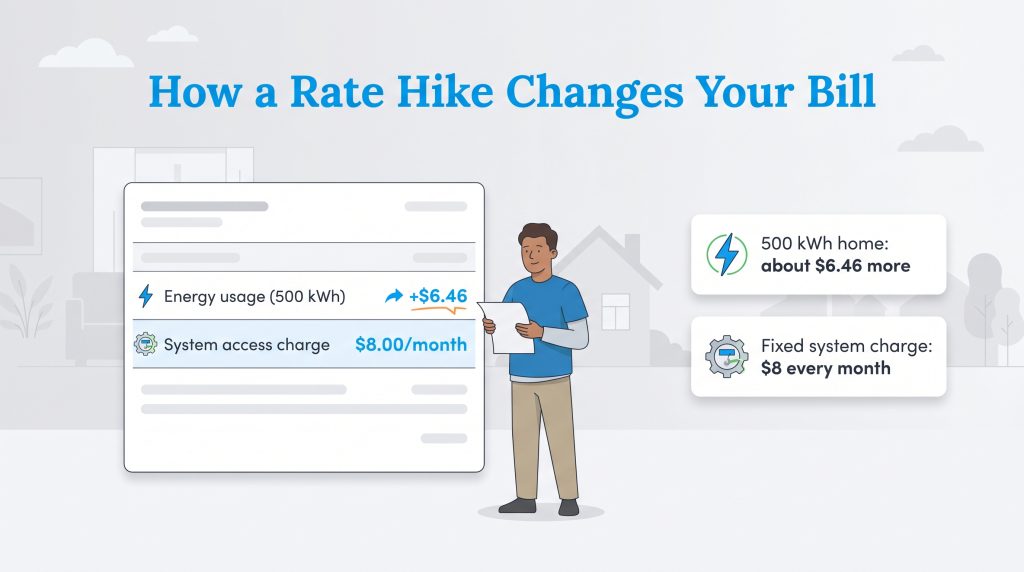
The impact on your wallet depends largely on how much electricity your household consumes each month. For the average residential customer using 500 kilowatt-hours (kWh) of power, the monthly bill will rise by $6.46. If your home is larger or uses electric heating and cooling, your increase will be higher.
| Monthly Electricity Usage | Estimated Monthly Increase |
| 250 kWh (Small Apartment) | $3.23 |
| 500 kWh (Standard Household) | $6.46 |
| 750 kWh (Moderate Usage) | $9.69 |
| 1,000 kWh (High Usage) | $12.92 |
Beyond the variable energy charges, you’ll also see a fixed fee on your bill known as the System Access Charge. This fee, which covers the cost of meters, billing, and customer service, is currently set at $8.00 per month and must be paid regardless of how much energy you use.
Major Michigan Cities and Areas Facing Changes
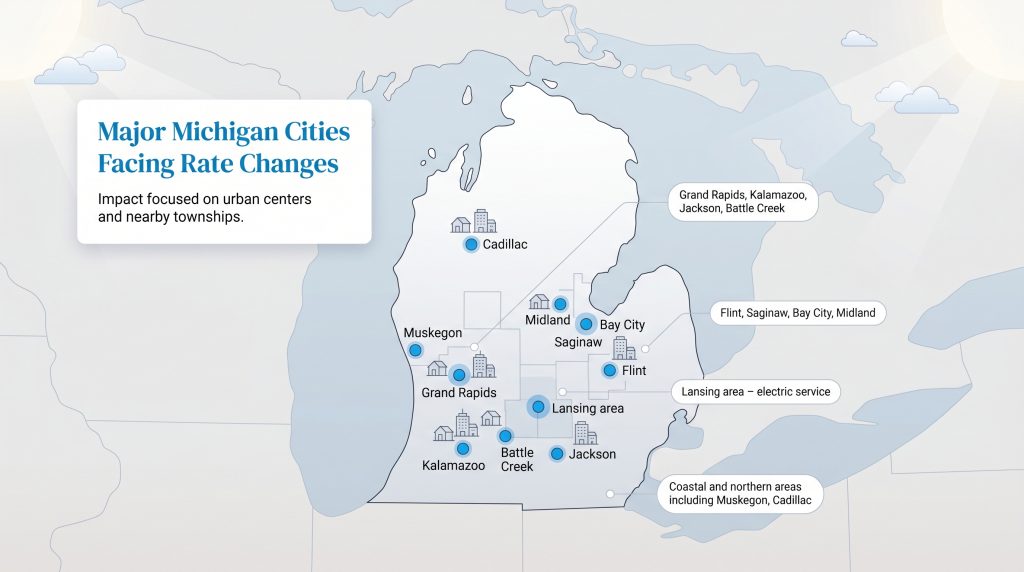
Consumers Energy provides electricity to roughly 1.9 million customers across 62 of the 68 counties in Michigan’s Lower Peninsula. While the rate change is statewide, the impact is felt most heavily in the major urban centers and surrounding townships where the utility serves as the primary provider.
The largest cities impacted by these adjusted rates include:
Residents in Lansing are primarily served by Consumers Energy for natural gas, but many in the surrounding Ingham County area rely on the company for electricity and will feel the effects of this hike.
Managing Your Costs When You Can’t Switch Providers
In a perfect world, we could all shop around for the lowest electricity rates, but Michigan’s energy market is a bit unique. While the state has an “Electric Choice” program, participation is legally capped at 10% of the utility’s total sales. Because large industrial users and businesses take up most of that space, the program is fully subscribed, and there are currently over 5,100 customers on a waitlist.
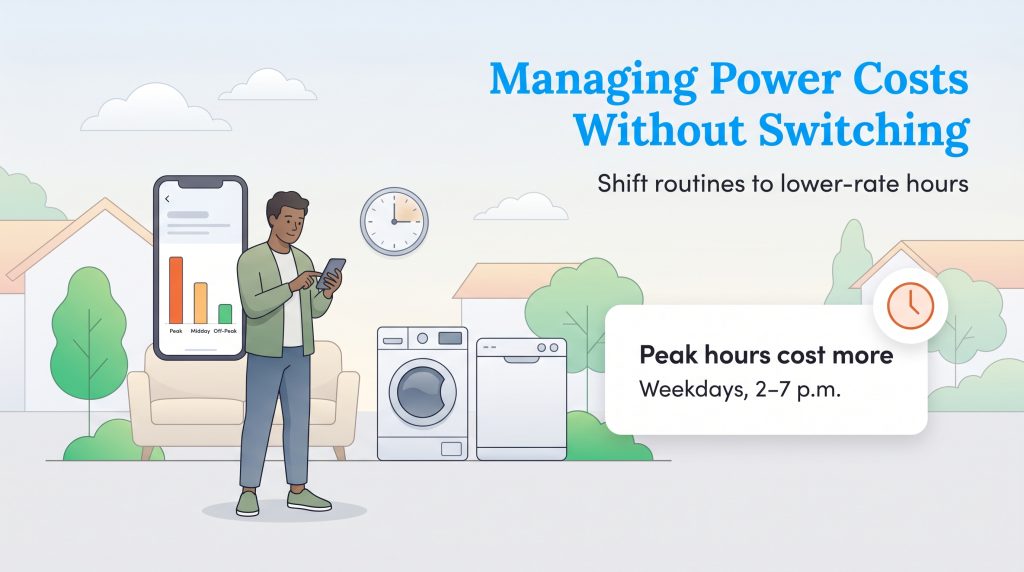
Since switching providers isn’t a quick fix for most of us, the best way to manage your bill is through “time-of-use” pricing. The standard residential rate (Rate 1001) features a Summer Peak period from June 1 through Sept. 30. During these months, electricity costs more ($0.23/kWh) on weekdays between 2 p.m. and 7 p.m.. By shifting tasks like laundry or dishwashing to the morning or late evening, you can take advantage of off-peak rates and lower your overall costs.
Sustainable Alternatives to Lock in Lower Rates
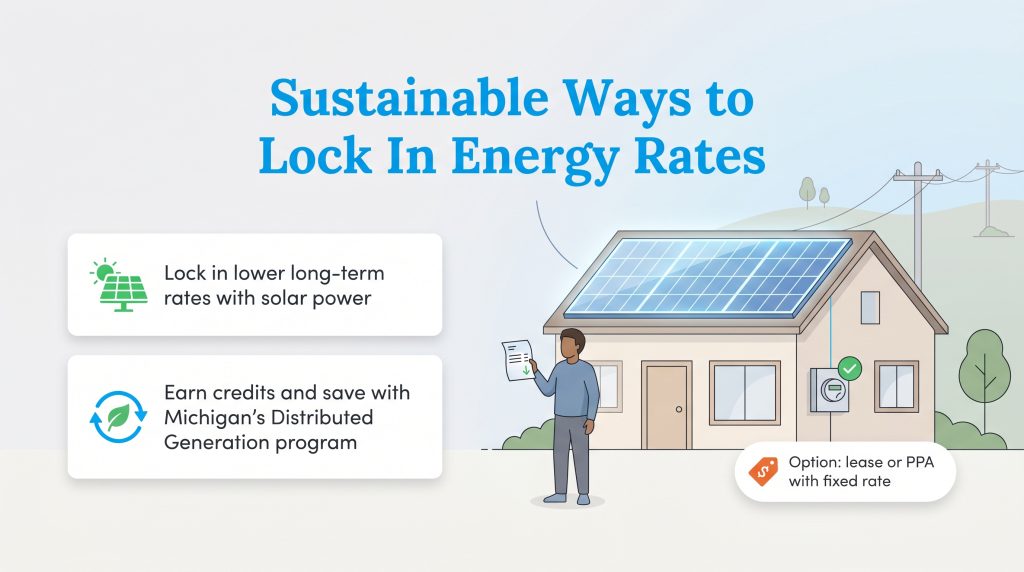
If you’re looking for a more permanent way to protect your home from rising utility costs, you might consider an environmentally mindful choice like solar power. While utility rates are expected to continue climbing through 2026, solar energy allows you to “lock in” your costs by generating your own power.
In Michigan, the Distributed Generation program allows solar owners to earn credits for the excess energy they send back to the grid. For those who don’t want the high upfront cost of a purchase, solar leases or Power Purchase Agreements (PPAs) are available. These programs often come with a fixed rate that is lower than standard utility pricing, helping you save money while supporting a cleaner energy future.
Assistance Programs for Michigan Families
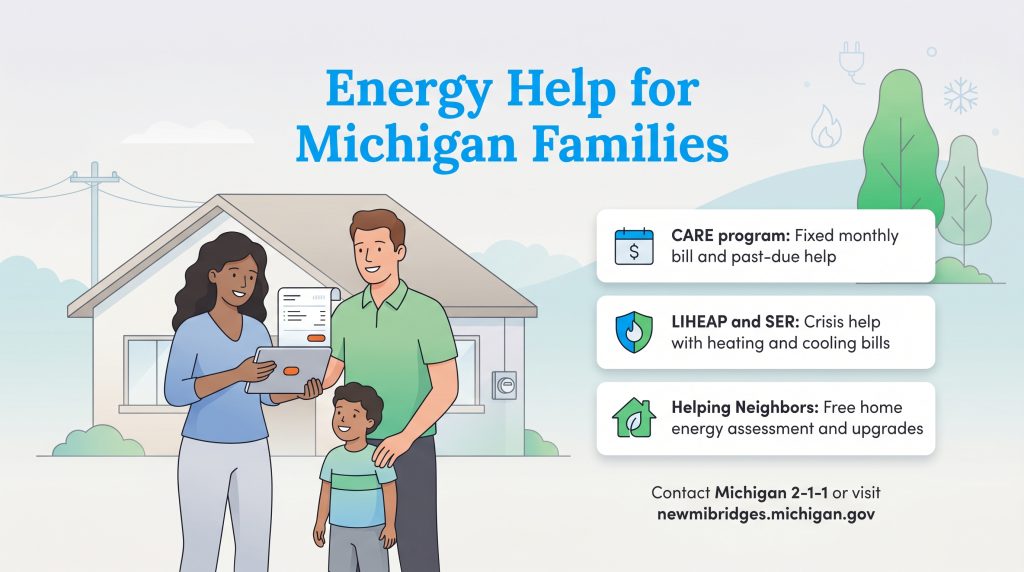
We know that two years of significant rate hikes can be a heavy burden. If you’re struggling to keep up with your payments, there are several state and utility-sponsored programs designed to help you stay on track.
- CARE Program: This is a 24-month plan that provides an affordable, fixed monthly bill and helps pay down past-due balances as you make regular payments.
- LIHEAP and SER: The State Emergency Relief (SER) program and the Low-Income Home Energy Assistance Program (LIHEAP) offer cash grants to help families pay their heating and cooling bills during times of crisis.
- Helping Neighbors: This program offers a free home energy assessment and may include the installation of free energy-saving products like LED bulbs and high-efficiency showerheads to help reduce your usage.
For more information on these resources, we recommend contacting Michigan 2-1-1 or visiting the MI Bridges website to see what help you might qualify for.
Navigating a More Reliable and Sustainable Energy Future
While these rate increases pose a challenge for many Michigan households, they also pave the way for a more resilient and eco-conscious grid. By taking advantage of the energy-saving tools and assistance programs available, you can take control of your utility costs even as prices shift. We believe that staying informed is the first step toward making smart decisions for your home and the environment. As Consumers Energy moves toward its goal of ending coal use by 2025, these investments in grid reliability and clean energy will ultimately benefit all of us in the long run.
Frequently Asked Questions About the 2026 Consumers Energy Rate Increase
When will I start seeing the higher rates on my bill?
Can I opt out of the rate increase or the Summer Peak program?
What is the best way to lower my bill during the summer?
Is there a waitlist to switch to a different electricity provider?
About the Author

Claudio is a sustainability-focused writer with a background in Anthropology and Psychology from NC State University. He has spent over 15 years working in writing, interpretation, and translation, driven by a deep interest in how human culture shapes the environment. Today, he shares his curiosity with readers by writing about sustainable living solutions and the connection between everyday choices and environmental impact.