
Natural gas rates are shifting from $3.469 to $3.795 per MCF this April, affecting families across the Buckeye State.
Key Takeaways
- The Standard Choice Offer is increasing because the state-approved “retail adjustment” fee is jumping 40% to account for higher delivery costs.
- A typical household bill could rise by roughly $10 per month if a separate pending infrastructure rate case is approved by state regulators later this year.
- You can protect your budget from future market spikes by switching to a fixed-rate plan or joining a municipal aggregation program like NOPEC.
If you’ve noticed your natural gas bill looks a bit different lately, you aren’t alone. We’ve been keeping a close eye on the recent changes from Enbridge Gas Ohio, where the standard rate is moving from $3.469 to $3.795 per MCF (thousand cubic feet). While market swings are common, this specific hike is driven by a mix of new state-approved fees and a major push to modernize our aging pipeline network. We want to help you understand exactly why these numbers are moving and, more importantly, how you can take control of your energy costs to keep your home cozy without breaking the bank.
Why Your Natural Gas Rates Are Changing
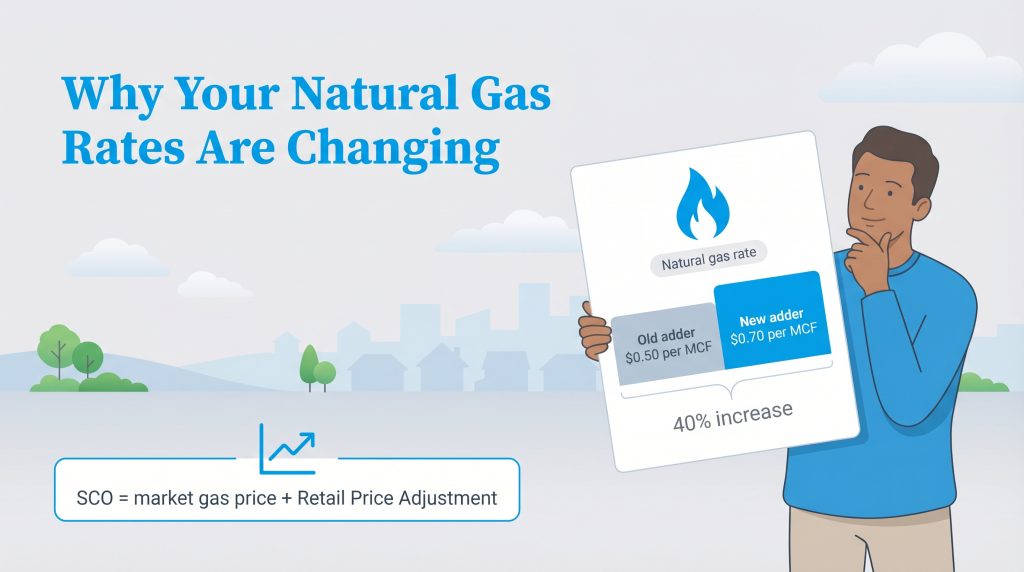
The primary reason for the jump to $3.795 per MCF is a change in the “adder” used to calculate the Standard Choice Offer (SCO). The SCO is the default price you pay for the gas commodity if you haven’t picked a specific supplier. This rate is calculated by taking the market price of gas on the New York Mercantile Exchange and adding a Retail Price Adjustment. Starting April 1, 2026, this adjustment fee is rising from $0.50 to $0.70 per MCF — a 40% increase.
The Impact of Market Demand
Beyond the local fees, global factors are also at play. Increased demand from new data centers and a rise in natural gas exports mean that Ohio’s local supply is more closely tied to national and global price trends. When demand goes up elsewhere, it can pull prices higher right here at home.
How This Change Impacts Your Monthly Bill
While a few cents per MCF might not seem like much, it adds up when you consider the entire bill. For a typical household using 8 MCF in a month, the supply portion of your bill will see a direct increase. However, this isn’t the only change on the horizon. Enbridge has also filed a separate request with the Public Utilities Commission of Ohio (PUCO) to increase distribution rates to pay for the $22,000$ miles of pipeline they maintain.
| Bill Component | Current (Estimated) | Proposed/New |
| Basic Service Charge | $46.62 | $54.24 |
| Gas Supply (8 MCF) | $27.75 | $30.36 |
| Total Typical Bill | $86.27 | $93.87 |
The Rise of Fixed Fees
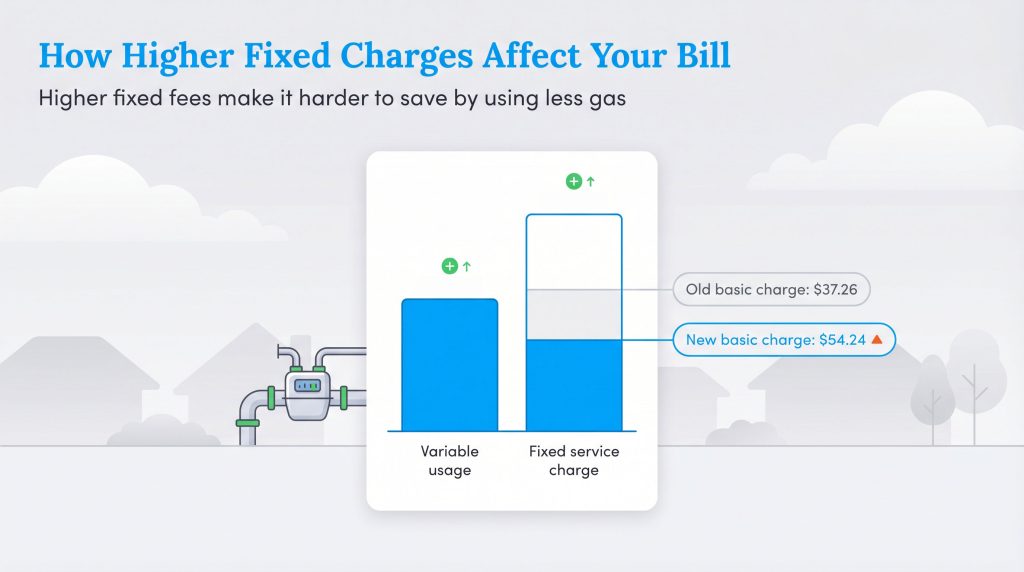
One concern raised by the Ohio Consumers’ Counsel (OCC) is the shift toward higher fixed monthly charges. If the pending rate case is approved, your “basic service charge” could rise to $54.24. This is a fixed cost you must pay every month, regardless of how much gas you use, which makes it harder to save money simply by turning down the thermostat.
Which Ohio Cities and Areas Are Affected?
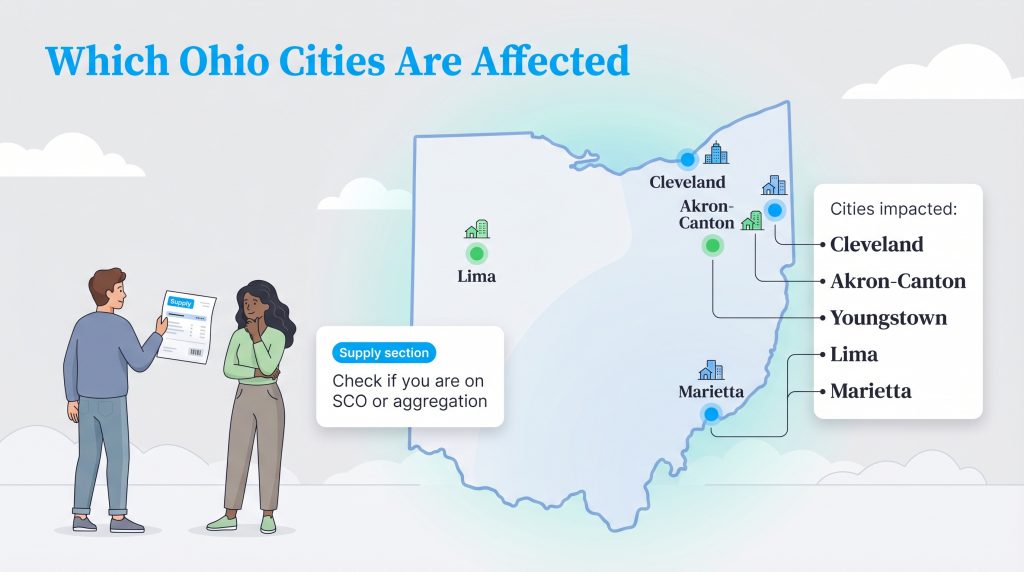
This rate change impacts the entire Enbridge Gas Ohio service territory, which covers approximately 1.2 million customers across 35 counties. If you live in a major metropolitan area in northeastern, western, or southern Ohio, you are likely seeing these changes on your bill.
Major cities impacted include:
Residents in these areas should look at the “Supply” section of their bill to see if they are currently on the SCO rate or if they are already part of a choice program or municipal aggregation.
Smart Steps You Can Take to Lower Your Bill
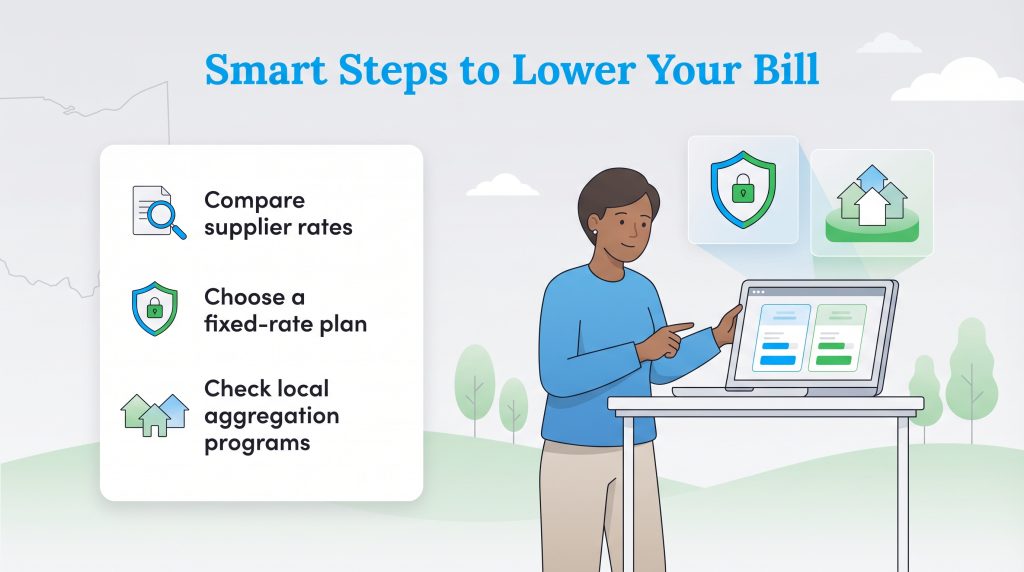
The good news is that Ohio is a “choice” state, which means you don’t have to stick with the default utility rate. You have the power to shop around for a better deal. We recommend visiting the Energy Choice Ohio website to compare offers from different suppliers.
Locking in a Fixed Rate
If you want to avoid the uncertainty of monthly price changes, look for a fixed-rate plan. These plans allow you to “lock in” a price for a set term, such as 12 or 24 months. This protects you from price spikes during extreme winter weather. Just be sure to check for early termination fees before you sign up.
The Power of Aggregation
Many Ohio communities use “bulk buying” to negotiate lower rates for their residents. Organizations like NOPEC (Northeast Ohio Public Energy Council) represent hundreds of communities and can often secure more stable pricing than you might find on your own. Check with your local city hall to see if your town has an active aggregation program you can join.
Eco-Conscious Tips for a More Efficient Home
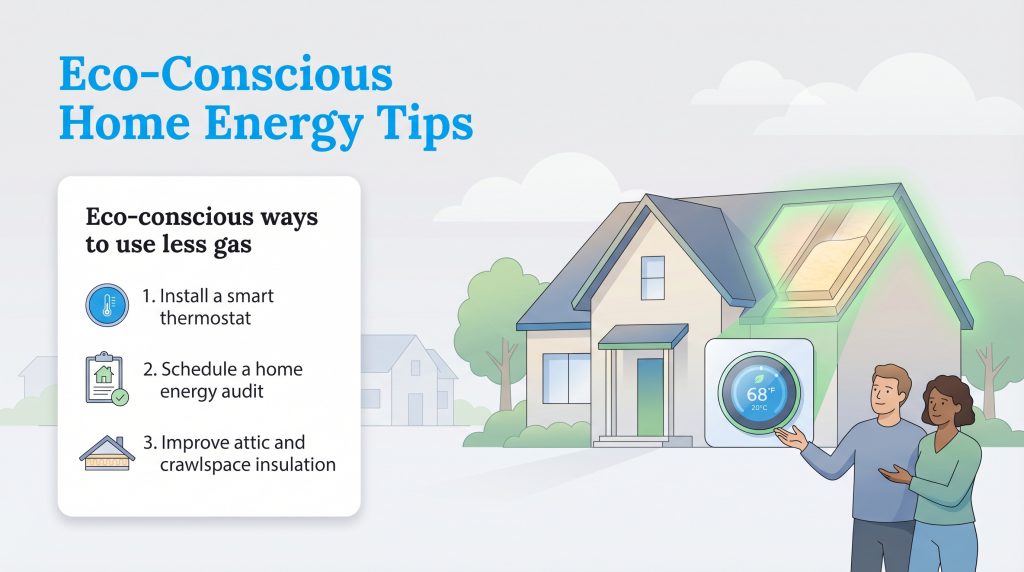
While fixed charges are rising, reducing the amount of gas you use is still an environmentally mindful choice that lowers the variable portion of your bill. Small changes can lead to big savings over time while reducing your home’s carbon footprint.
We recommend these energy-saving options:
- Install a Smart Thermostat: These devices learn your habits and automatically lower the heat when you’re away or asleep.
- Schedule a Home Audit: Programs like the Enbridge Housewarming Program provide weatherization assistance to help eligible families seal leaks and improve insulation.
- Check Your Insulation: Adding insulation to your attic or crawlspace is one of the most effective ways to keep heat inside where it belongs.
Preparing Your Home for Future Rate Changes
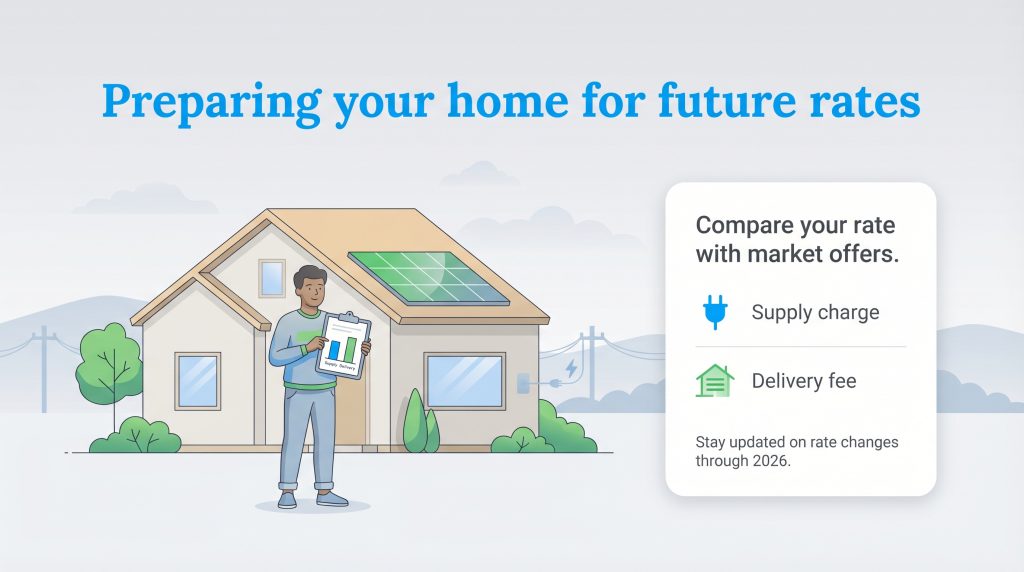
Staying informed is your best defense against rising utility costs. By understanding the difference between your supply charges and delivery fees, you can make smarter decisions about when to switch suppliers or when to invest in home upgrades. We’ll continue to monitor the PUCO hearings and update you on the final decision regarding the distribution rate case. For now, taking a few minutes to compare your current rate against the latest market offers could save you significant money throughout 2026.
About the Author

Claudio is a sustainability-focused writer with a background in Anthropology and Psychology from NC State University. He has spent over 15 years working in writing, interpretation, and translation, driven by a deep interest in how human culture shapes the environment. Today, he shares his curiosity with readers by writing about sustainable living solutions and the connection between everyday choices and environmental impact.