
An electric membership corporation is a not-for-profit, member-owned utility that returns margins to customers and prioritizes local service.
Key Takeaways
- Electric Membership Corporations (EMCs) are not-for-profit utilities owned by the people they serve rather than outside investors.
- Capital credits are a unique financial benefit where members receive a share of the co-op’s excess revenue over time.
- Member-owners have democratic control, meaning you can vote for board members and influence local energy policies.
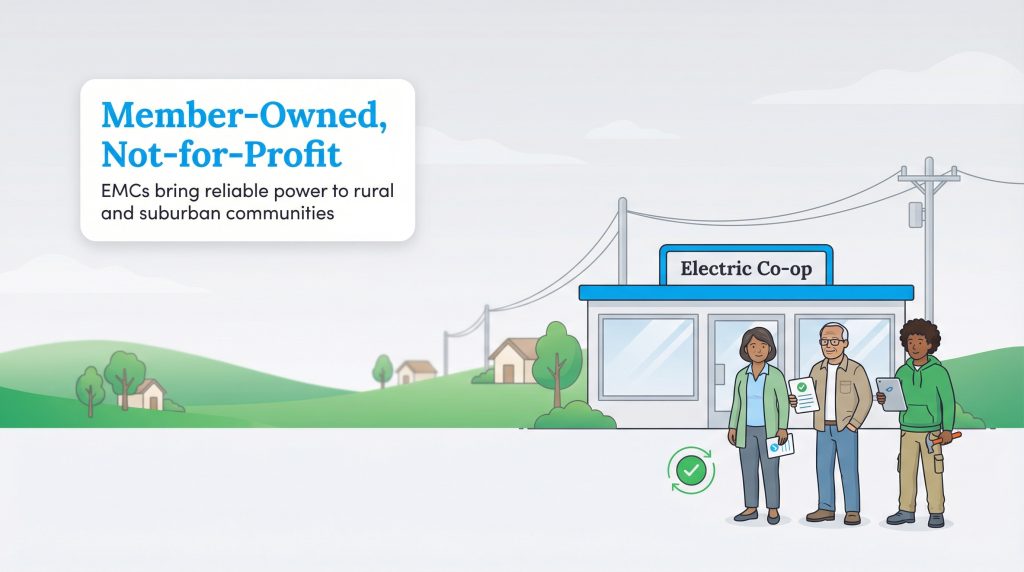
Opening a utility bill after moving to a new area can be confusing, especially if you see “Electric Membership Corporation” on the statement instead of a familiar big-name brand. You might wonder if you signed up for the wrong service or if you somehow missed a step in the setup process. We are here to clear up that confusion. This guide explains exactly what an EMC is, how this unique model puts money back in your pocket, and why your voice matters more here than with a standard utility provider.
Defining the Electric Membership Corporation (EMC)
An Electric Membership Corporation (EMC) is essentially a not-for-profit cooperative, meaning it is owned by the people who use its services. Unlike large investor-owned companies that focus on generating returns for stockholders, EMCs were created to bring power to areas that for-profit companies ignored because they weren’t profitable enough. This movement gained major traction with the passage of the Rural Electrification Act of 1936, which helped reliable electricity reach rural and suburban communities across the country. Today, if you are served by an EMC, you aren’t just a customer; you are a member with a stake in the organization.
How EMCs Differ from Standard Utilities
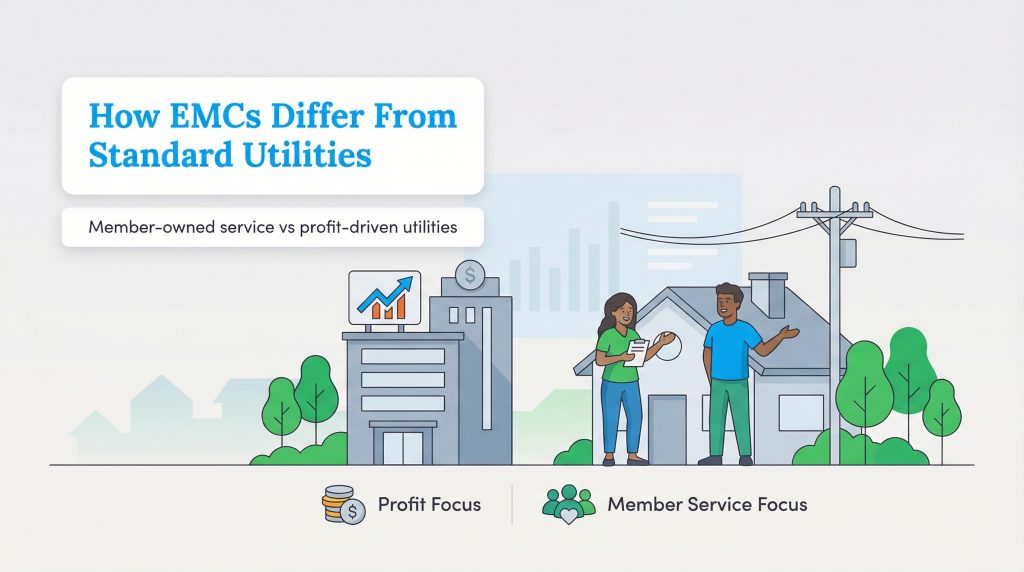
The biggest difference between an electric cooperative vs investor owned utility or a municipal provider lies in their motivation and ownership structure. Investor-Owned Utilities (IOUs) exist primarily to generate profit for their shareholders, often prioritizing stock prices over local needs. In contrast, an EMC operates as a not-for-profit entity focused entirely on serving its members. Since there are no outside investors to pay, any money made above operating costs belongs to you and your neighbors. This focus on service over profit often leads to strong local engagement, community programs, and policies designed around member needs. You can see the breakdown of these differences in the table below.
| Feature | Electric Membership Corp (EMC) | Investor-Owned Utility (IOU) | Municipal Utility |
|---|---|---|---|
| Ownership | Owned by customers (Members) | Owned by investors/shareholders | Owned by local government/city |
| Primary Goal | Service and lowest possible cost | Profit for shareholders | Community service and stability |
| Margins/Profits | Returned to members (Capital Credits) | Distributed to investors | Reinvested or used for city funds |
| Governance | Democratic (1 Member = 1 Vote) | Shareholder voting power | City Council or Appointed Board |
The Financial Perks: Understanding Capital Credits
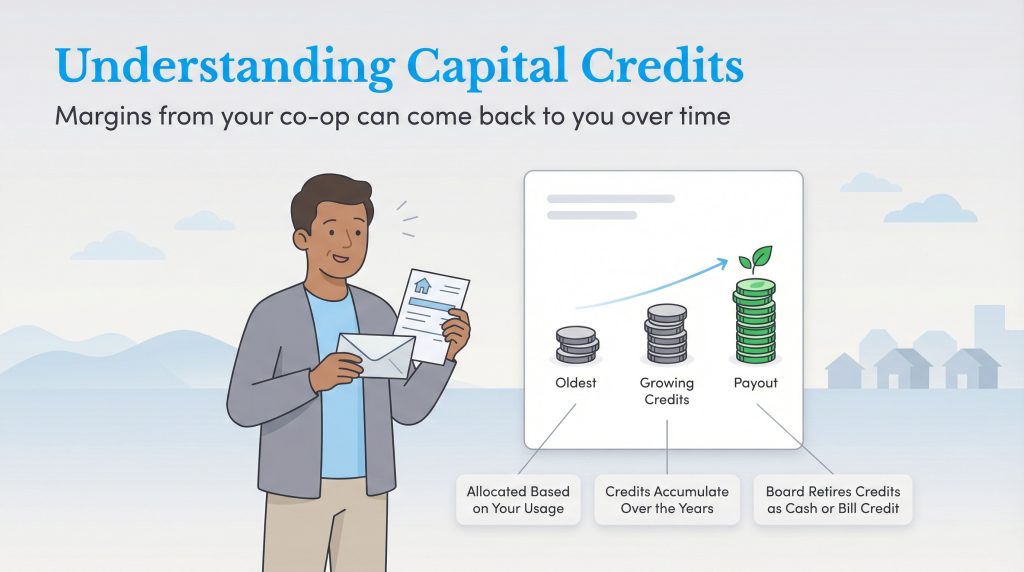
One of the most exciting benefits of an Electric Membership Corporation is the concept of capital credits. Because the co-op operates at cost, any “profit” (called margins) left over at the end of the year is allocated back to the members based on how much electricity they used. While this usually isn’t an instant discount on your monthly bill, these credits accumulate over time. The board of directors monitors the co-op’s financial health and votes to “retire” (pay out) these credits, usually starting with the oldest credits first and sending you a check or a bill credit just for being a member. This is a great way to help save on your electric bill in the long run.
Why You Likely Can’t Switch Providers
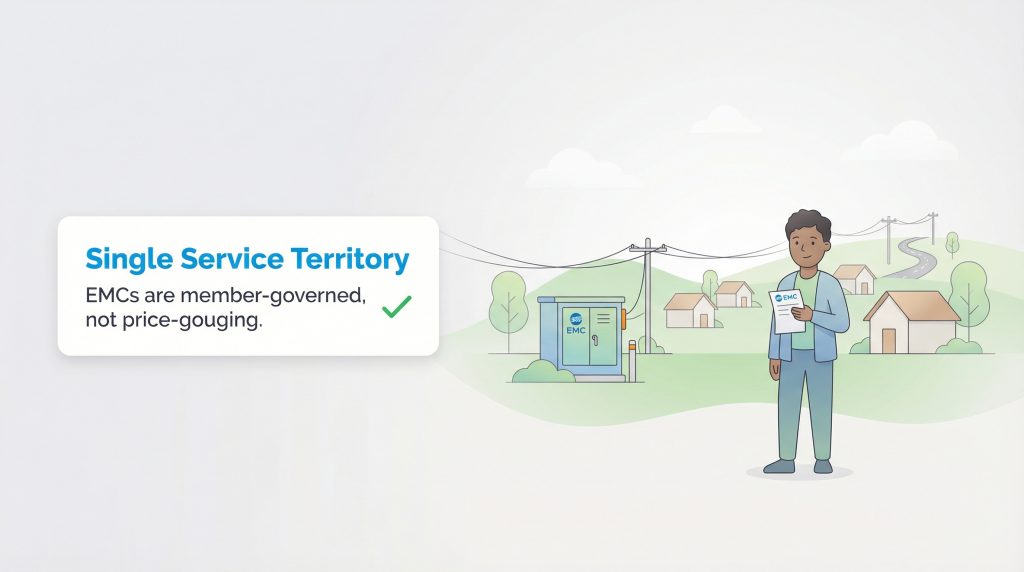
You might be used to shopping around for electricity providers in deregulated markets, but EMCs generally operate in specific service territories where they are the sole provider. This might sound like a monopoly, but it is a necessary structure to ensure affordable infrastructure maintenance in less densely populated areas. Unlike a private monopoly that might price gouge, your EMC is governed by an elected board of members and must follow state and federal safety regulations. While they often have exclusive service territories defined by state law, this structure ensures that rates remain fair and cover only the necessary costs of delivering reliable power to your home.
Member-Owned Utility Benefits: Modern Tech and Sustainability
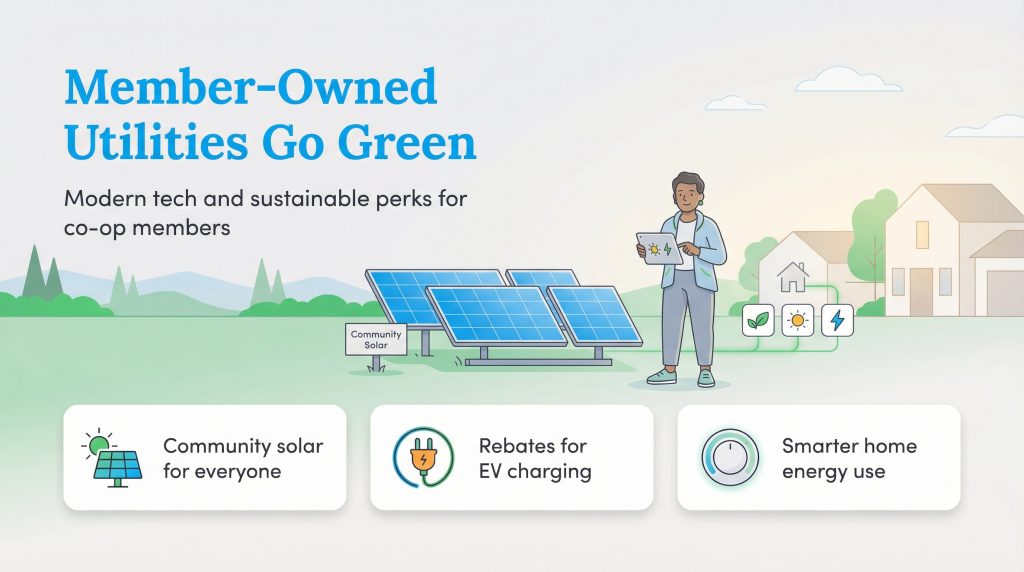
EMCs are often at the forefront of adopting new technologies to meet the eco-conscious needs of their members. Many co-ops now offer community solar energy options for residents who want to support renewable energy but cannot install panels on their own roofs. Additionally, EMCs frequently provide rebates for electric vehicle (EV) chargers and smart thermostats to help lower overall demand. By integrating these sustainable practices, your co-op helps lower overall emissions while helping you manage your energy usage more efficiently.
Governance: Your Vote Matters
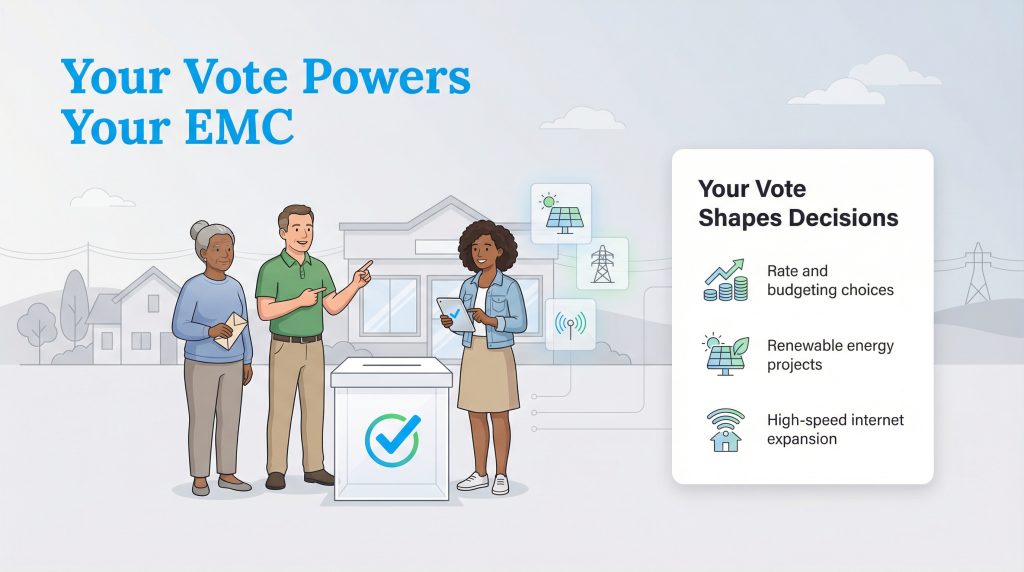
As a member-owned utility, your EMC gives you a democratic voice that you simply don’t get with a standard corporate provider. You have the right to vote for the Board of Directors, who are fellow members living in your community. These directors make crucial decisions about rate changes, investments in renewable projects, and even the expansion of high-speed internet services. Participating in this process ensures that the utility reflects the values and priorities of the people it serves.
Embracing the Community Power of Your Co-op
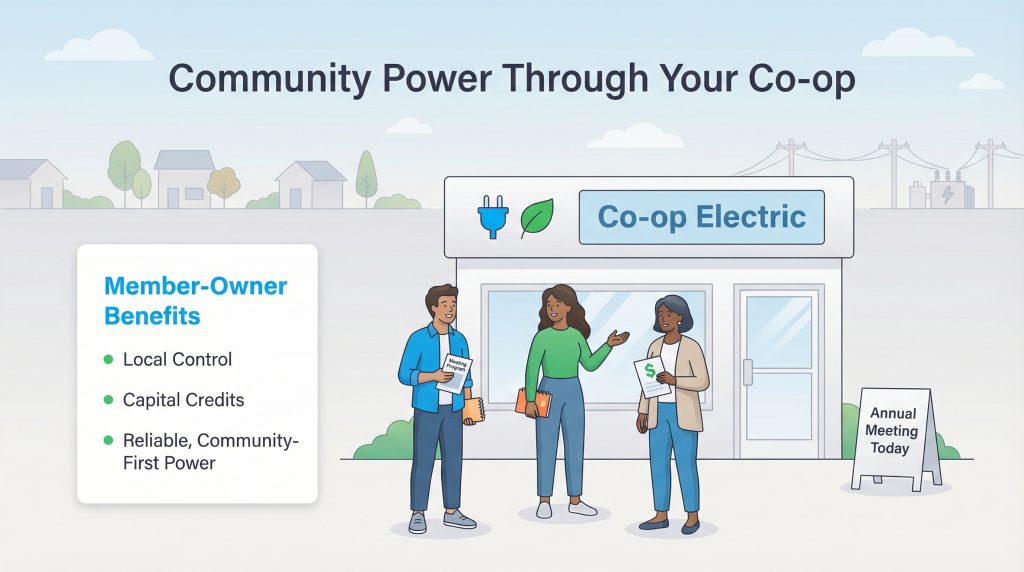
Being part of an Electric Membership Corporation is more than just paying a bill; it is about participating in a community-focused organization. You gain the benefits of local control, the potential for financial returns through capital credits, and the assurance that your utility prioritizes reliable service over stock prices. By engaging with your co-op, you help shape a more sustainable and affordable energy future for your community. We encourage you to engage with your co-op, attend annual meetings, and check our electric resources to take full advantage of the perks that come with being a member-owner.
Frequently Asked Questions About Electric Membership Corporations
Are electric membership corporations not-for-profit?
How do I know if I am a member of an EMC?
What is the difference between an REMC and an EMC?
Can I cash out my capital credits immediately?
Who regulates electric membership corporations?
About the Author

LaLeesha has a Masters degree in English and enjoys writing whenever she has the chance. She is passionate about gardening, reducing her carbon footprint, and protecting the environment.