
Northern Indiana’s largest gas utility has reduced supply costs, bringing some relief to spring utility bills.
Key Takeaways
- NIPSCO’s total gas cost dropped by more than 11% for the month of April, falling from $0.4242 to $0.3763 per therm.
- The rate reduction is driven by a combination of a milder winter and record-high natural gas production across the U.S..
- While rates are currently lower, you can explore “locking in” a fixed rate through the NIPSCO CHOICE® or Price Protection programs to avoid potential spikes next winter.
- These changes apply to residents in major hubs across 32 counties, including Gary, South Bend, and Fort Wayne.
If you’ve been keeping a close eye on your mailbox lately, we have some refreshing news to share about your energy costs. Moving into a new home is expensive enough without worrying about volatile heating bills, which is why we’re happy to report that Northern Indiana Public Service Company (NIPSCO) has lowered its gas rates effective Apr. 1, 2026.
Whether you’re just settling into a new neighborhood or you’re a long-term resident looking to go green and save some green, understanding these changes can help you take control of your home’s budget.
The Good News: Breaking Down the Numbers
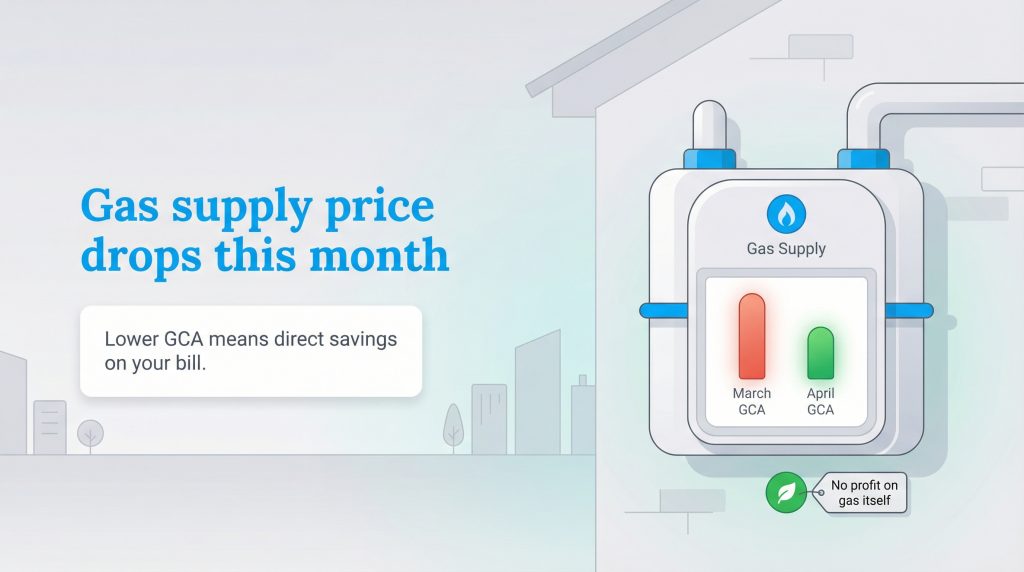
NIPSCO has reduced its Gas Cost Adjustment (GCA) factor to $0.3763 per therm for April. This is a significant step down from the March rate of $0.4242 per therm.
In Indiana, your gas bill is essentially split into two parts: the cost of delivering the gas to your front door and the cost of the gas itself. NIPSCO doesn’t actually make a profit on the gas they buy for you, they pass that cost along dollar-for-dollar. This month, they were able to secure that gas at a lower price, and they’re passing those savings directly to your “Gas Supply” line item.
Why Are Rates Falling?
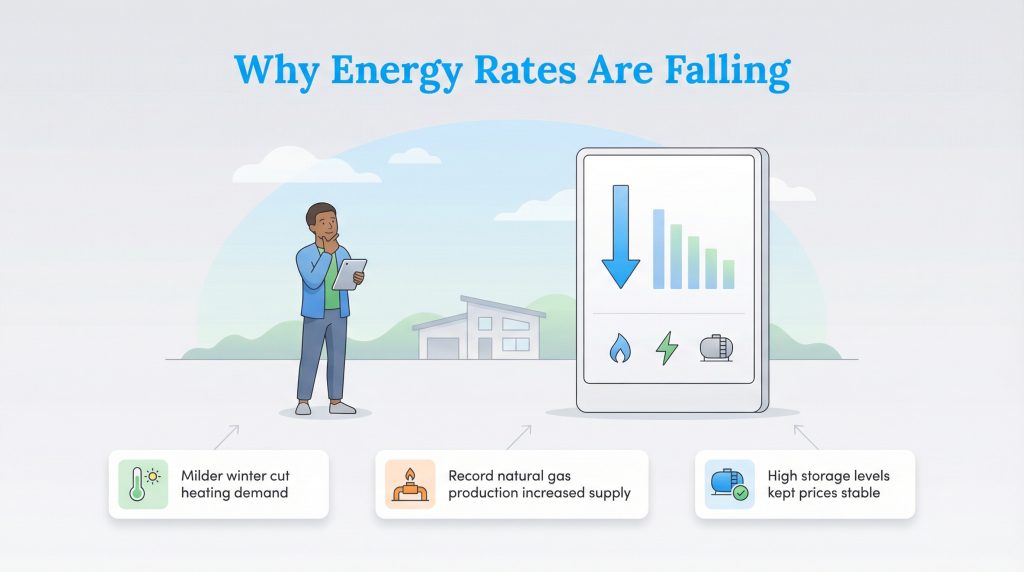
You might be wondering why prices are dipping even as other costs, like gasoline at the pump, have stayed high. There are a few key reasons for this “spring cleaning” of our energy rates:
- A Milder Winter: February was much warmer than expected, which meant we didn’t have to pull as much gas out of storage as we usually do.
- Record Production: U.S. natural gas production hit record highs late last year, averaging nearly 118 billion cubic feet per day. With so much supply available, prices have naturally cooled off.
- High Storage Levels: Because the winter wasn’t as harsh as feared, storage levels in the Midwest have remained healthy, keeping the market stable as we enter the “shoulder season”.
How This Impacts Your Monthly Bill
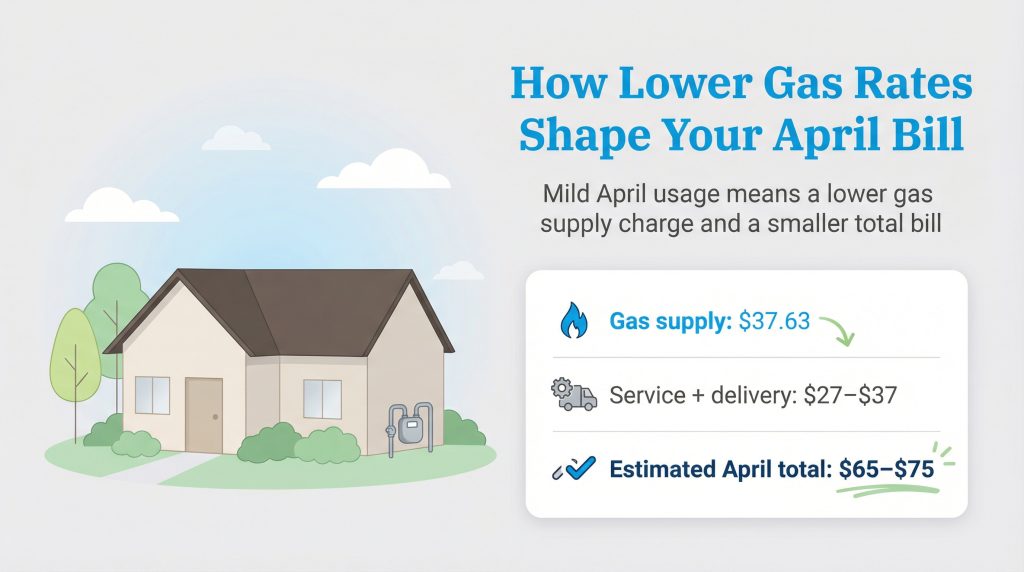
For a typical household using 100 therms during a mild April, this rate drop means you’ll pay about $37.63 for the gas supply portion of your bill. When you add in the fixed service charges and delivery fees, we estimate a typical April bill for a single-family home will land somewhere between $65 and $75.
Keep in mind that April is a “transitional” month. While the rate is lower, your total bill will likely drop even more because you aren’t running your furnace nearly as often as you were in Jan. or Feb..
Should You Lock in Your Rate Now?
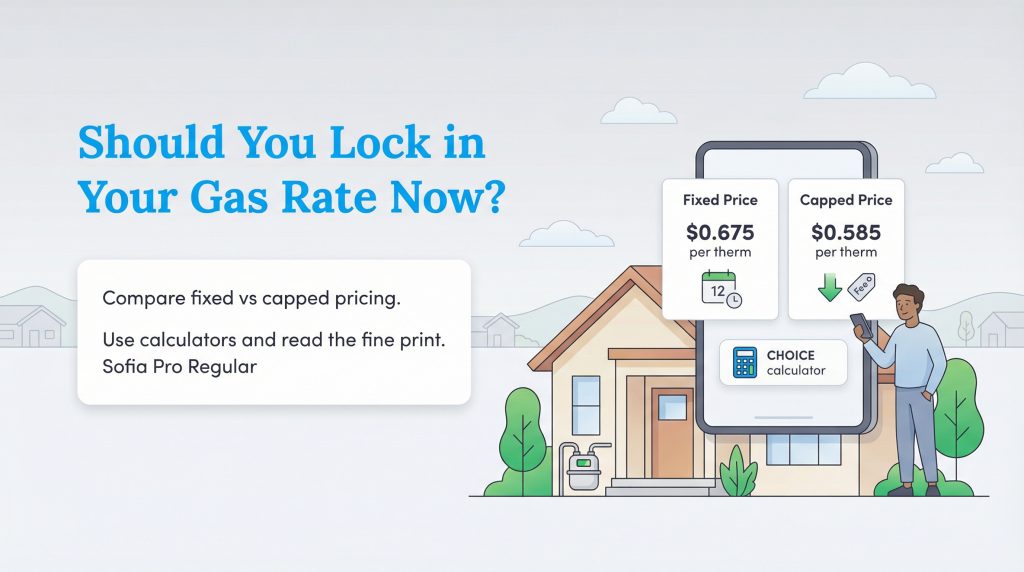
If you’re someone who hates surprises, you might want to consider NIPSCO’s Price Protection or the CHOICE® program. These allow you to “lock in” a price so you don’t have to worry about market fluctuations later in the year.
- Fixed Price Option: As of late March, NIPSCO offered a fixed rate of $0.675 per therm for 12 months. While this is higher than the current April rate, it protects you if prices skyrocket next winter.
- Capped Price Option: This program sets a “ceiling” (currently $0.585 per therm) but allows you to pay the lower market rate if prices stay down. It does come with a $13.99 monthly fee for residential users.
We recommend checking out the NIPSCO CHOICE® calculator to see if switching to a third-party supplier makes sense for your specific usage. Just be sure to read the fine print on termination fees!
The Big Picture: Regulatory Changes in Indiana
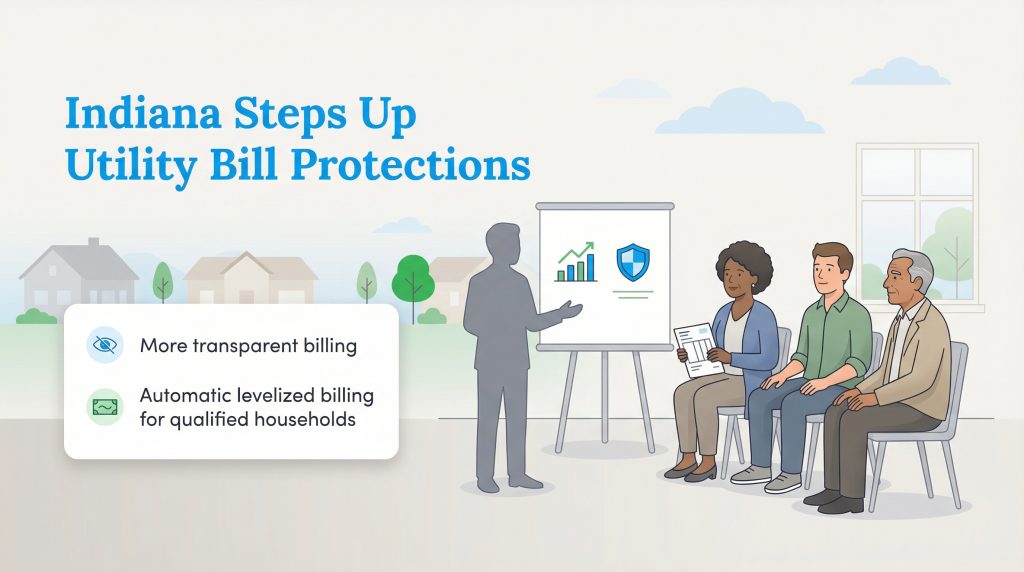
It’s also worth noting that state leaders are paying closer attention to your utility bills than ever before. The Indiana Utility Regulatory Commission (IURC) is currently finishing up a series of community listening sessions as part of an inquiry into energy affordability.
Additionally, a new state law (HEA 1002) was signed on Feb. 26, 2026. It will eventually require more transparent billing and offer new protections for low-income families, such as automatic “levelized billing” to help smooth out those expensive winter spikes.
Is Your City on the List?
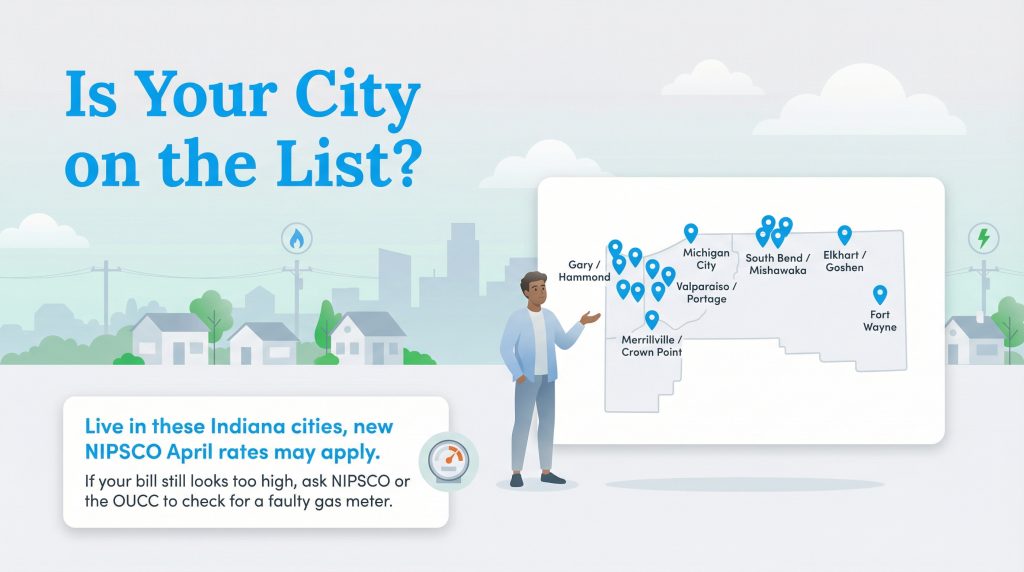
NIPSCO serves roughly 1.4 million natural gas and electric customers across 32 counties. If you live in one of these major cities, these new April rates apply to you:
- Gary and Hammond
- South Bend and Mishawaka
- Fort Wayne
- Elkhart and Goshen
- Valparaiso and Portage
- Michigan City
- Merrillville and Crown Point
One quick tip from your neighbors here at UFMH: NIPSCO recently admitted that a small number of older gas meters (about 1%) have been double-charging some customers due to a technical glitch. If your bill seems unusually high despite the rate drop, don’t hesitate to reach out to their customer service team or the Office of Utility Consumer Counselor (OUCC) to request a meter check.
About the Author

David has been an integral part of some of the biggest utility sites on the internet, including InMyArea.com, HighSpeedInternet.com, BroadbandNow.com, and U.S. News. He brings over 15 years of experience writing about, compiling and analyzing utility data.