
Key Takeaways
- The Rate Hike: Effective February 1, 2026, Elizabethtown Gas increased its residential supply rate from roughly $0.61 to $0.69 per therm, a 13.5% jump designed to cover rising wholesale natural gas costs.
- Bill Impact: A typical household using 100 therms will see their monthly gas supply costs rise by over $8 compared to January, contributing to a total winter increase of over $16 per month since October.
- Why It’s Happening: The increase is driven by “under-recovery” of costs due to global market pressures and high regional demand from power plants and data centers.
- Help is Available: Residents can combat these costs through increased efficiency rebates, the state’s Winter Termination Program (active through March 15), and expanded income eligibility for financial assistance.
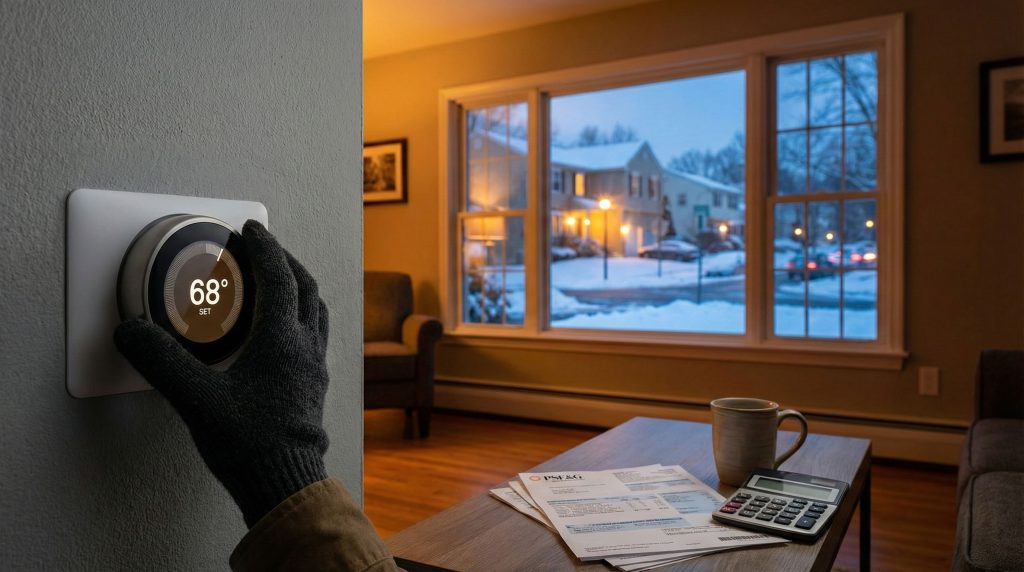
New Jersey residents served by Elizabethtown Gas are facing a mid-winter sticker shock. As of February 1, 2026, the utility has implemented a “self-implementing” rate increase that pushes the Basic Gas Supply Service (BGSS) rate to $0.6962 per therm, up from $0.6132 in January.
For the more than 300,000 customers across New Jersey’s Union, Middlesex, Sussex, Warren, Hunterdon, Morris, and Mercer counties, this adjustment means heating homes just got more expensive during the coldest stretch of the year.
Why Are Rates Rising Now?
While the timing may seem sudden, this increase is part of a regulatory mechanism overseen by the New Jersey Board of Public Utilities (BPU). Utilities are permitted to adjust rates on February 1 to recover the actual costs of purchasing fuel if they project a financial shortfall.
In this case, Elizabethtown Gas projected an “under-recovery” of approximately $13.9 million. Because utilities in New Jersey do not profit on the supply portion of the bill, they pass the cost directly to consumers, this hike is strictly to balance the books against rising wholesale prices.
Broader market forces are also at play. The regional PJM power grid is facing unprecedented demand from new data centers and AI infrastructure, which drives up the price of natural gas used for electricity generation. Additionally, strong global demand for U.S. Liquefied Natural Gas (LNG) continues to keep domestic prices elevated compared to historical lows.
The Real-World Impact on Your Bill
For a typical residential customer using 100 therms of natural gas in a winter month, the math shows a tangible hit to the household budget:
- October 2025 Cost: ~$53.40 (Supply only)
- January 2026 Cost: ~$61.32
- February 2026 Cost: ~$69.62
This represents a monthly increase of $8.30 compared to just last month, and over $16.00 more than what customers were paying at the start of the heating season. Residents in larger, older homes in towns like Westfield or Flemington, who may use 250+ therms, could see monthly increases exceeding $40.
Is Your Town Impacted?
This rate change affects the entire Elizabethtown Gas service territory. Major impacted municipalities include:
- Union County: Elizabeth, Westfield, Linden, Rahway, Union Township.
- Middlesex County: Perth Amboy, Woodbridge (including Iselin, Colonia, Fords), Metuchen.
- Northwest NJ: Flemington, Phillipsburg, Newton, Sparta, Hackettstown, Washington Borough/Twp, and Lambertville.
Find Natural Gas Providers in New Jersey
Strategic Steps to Offset the Hike
While rates are locked in through September 2026, you can take action now to lower your total bill.
1. Claim Efficiency Rebates If your furnace or water heater is aging, now is the time to upgrade. Elizabethtown Gas offers rebates of up to $1,500 for converting to natural gas appliances and up to $1,750 for high-efficiency heating equipment.
- Action: Check current offers.
2. Utilize the Winter Termination Program If you are struggling to pay, you cannot be shut off right now. The state’s Winter Termination Program protects eligible residential customers from service disconnection through March 15, 2026. This safety net includes recipients of programs like SSI, Medicaid, and LIHEAP, as well as those facing financial hardship.
3. Apply for Expanded Assistance Income limits for state aid have increased for 2026. Families of four earning up to approx. $8,000/month may now qualify for the Universal Service Fund, which provides monthly bill credits.
4. The “One Degree” Solution For immediate savings that cost nothing, lower your thermostat. The NJ BPU recommends setting thermostats to 68°F when home and 60°F when sleeping or away. Every degree you lower the heat can save roughly 3% on your heating costs, effectively canceling out a portion of this new rate increase.
Learn more about How to Save on Your Natural Gas Bill
About the Author

David has been an integral part of some of the biggest utility sites on the internet, including InMyArea.com, HighSpeedInternet.com, BroadbandNow.com, and U.S. News. He brings over 15 years of experience writing about, compiling and analyzing utility data.