
New rate adjustments from PGE and Pacific Power are landing this spring, but updated state protections and efficiency rebates can help you manage the cost.
Key Takeaways
- Residential bills are increasing by 2.9% to 5.0% starting Apr. 1, 2026, marking the sixth consecutive year of rate hikes for Oregon’s major for-profit utilities.
- The FAIR Act delayed these increases until the end of the winter heating season to protect households from high bills during the coldest months of the year.
- You cannot switch electricity providers as a residential customer, but you can “lock in” savings through Energy Trust of Oregon rebates or by shifting usage to off-peak hours.
If you’ve noticed your budget getting a bit tighter lately, you aren’t alone, especially when it comes to keeping the lights on in the Beaver State. Starting Apr. 1, 2026, about 1.5 million Oregon households served by Portland General Electric (PGE) and Pacific Power are seeing their monthly bills tick upward once again. While these increases were kept at bay during the winter thanks to new state protections, the spring arrival of these hikes means it’s time to take a closer look at your energy habits. We know that another rate jump can feel like a heavy lift, so we’ve gathered everything you need to know about why these changes are happening, which cities are affected, and the best ways you can trim your costs to stay ahead of the curve.
Why Oregon Electricity Rates Are Rising
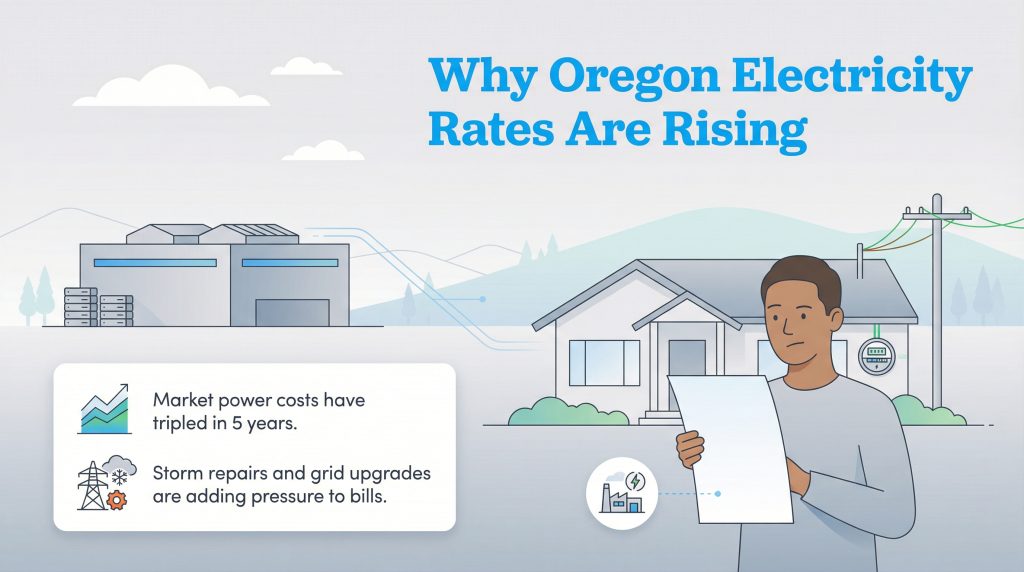
It’s the question on everyone’s mind: why do rates keep going up? According to the Oregon Public Utility Commission, several factors are colliding at once. First, the cost of buying power on the open market has tripled over the last five years, and utilities are passing those actual costs through to you. Additionally, the state is still paying off the massive emergency response and repairs from the Jan. 2024 winter storm, which impacted nearly 400,000 customers.
Beyond weather and fuel, there is a massive shift in how much energy Oregon is using. While residential demand has only grown by about 1% annually, industrial demand, mainly from “hyper-scale” data centers, has surged by nearly 70% in the last decade. While the new POWER Act aims to make these big tech companies pay for their own infrastructure, the current grid upgrades needed to keep the system reliable are still a major driver of your current bill.
Breaking Down the Bill Impact
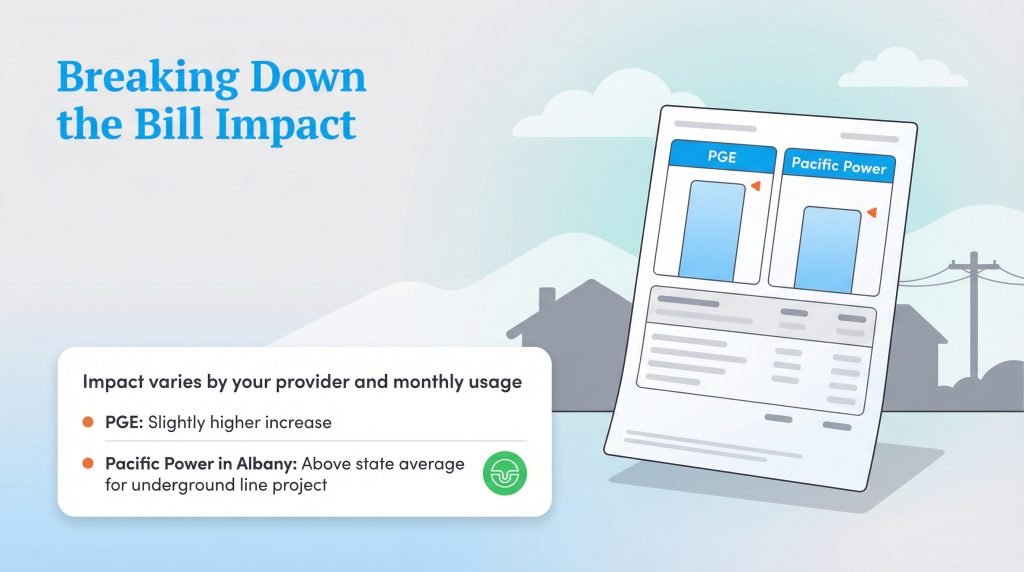
The actual “extra” amount you’ll see on your statement depends on who provides your power and how much energy you use each month. On average, PGE customers are seeing a slightly larger jump than those with Pacific Power. If you are a Pacific Power customer in Albany, your rate is slightly higher than the state average due to a specific local project to bury power lines underground for better reliability.
| Utility Provider | Average Percentage Increase | Estimated Monthly Bill Jump |
| Portland General Electric (PGE) | 5% | ~$8.00 |
| Pacific Power (General) | 2.9% | ~$4.29 |
| Pacific Power (Albany) | 4.1% | ~$5.64 |
Which Oregon Cities Are Affected?
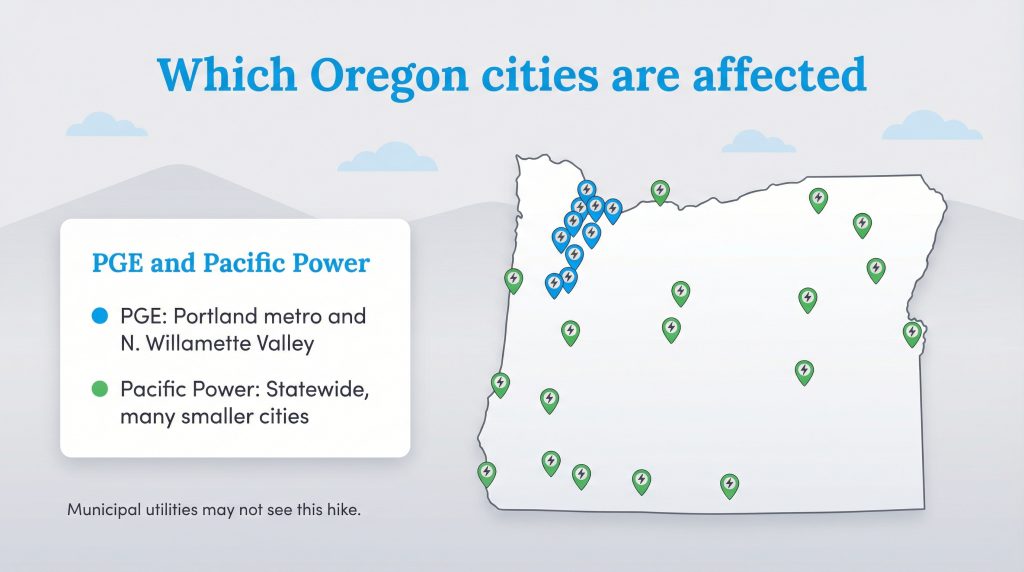
Because PGE and Pacific Power are the two largest investor-owned utilities in the state, these changes cover a huge portion of Oregon. If you live in a city served by a municipal utility district (like McMinnville or Forest Grove), you might be off the hook for this specific hike. However, most major metro areas are right in the middle of these adjustments.
PGE Service Territory
The PGE increase primarily hits the Portland metro area and the northern Willamette Valley. This includes major hubs like Beaverton, Gresham, Hillsboro, Milwaukie, and Oregon City. It also stretches down to parts of Salem, Woodburn, and Newberg.
Pacific Power Service Territory
Pacific Power covers a broader, more fragmented footprint across 243 communities. Impacted residents include those in Bend, Redmond, Medford, Grants Pass, and Klamath Falls. In the Willamette Valley, it covers Albany and Corvallis, while coastal residents in Astoria and Seaside are also seeing the Apr. 1, 2026, changes.
Can You Switch Providers or Lock in Rates?
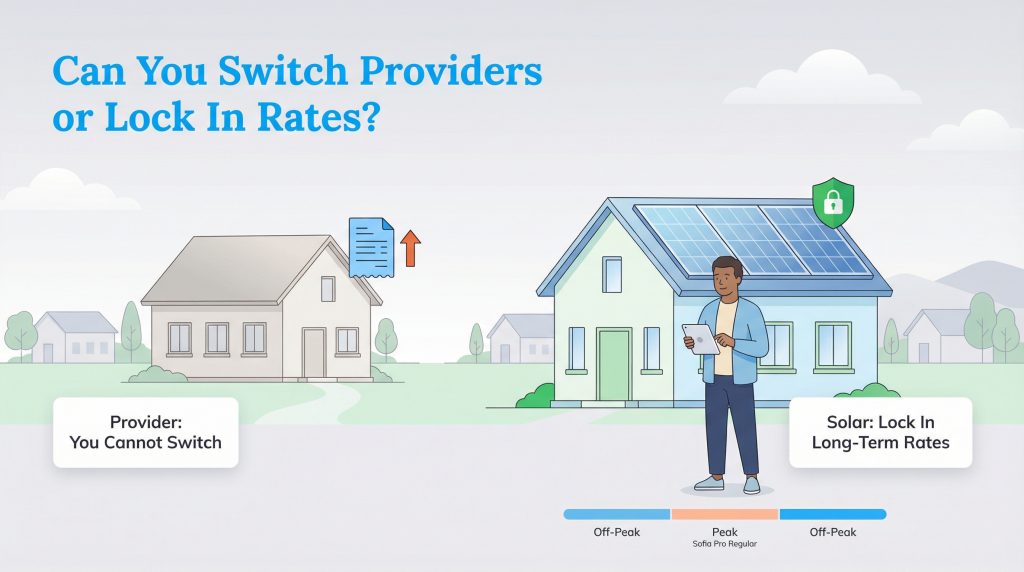
When you’re facing a price hike, the natural instinct is to shop around. However, Oregon is a bit different than states like Texas or Ohio. As a residential customer, you generally do not have “retail choice,” meaning you cannot switch your electricity supplier to a different company. You are required to use the utility that serves your specific address.
If solar isn’t an option for your current home, your best bet is to look at how to save on your electric bill by choosing a different rate “portfolio.” Both utilities offer Time-of-Use plans that allow you to pay less for electricity if you run your heavy appliances, like the dishwasher or dryer, during off-peak hours (usually late at night or early in the morning).
Smarter Ways to Lower Your Monthly Bill
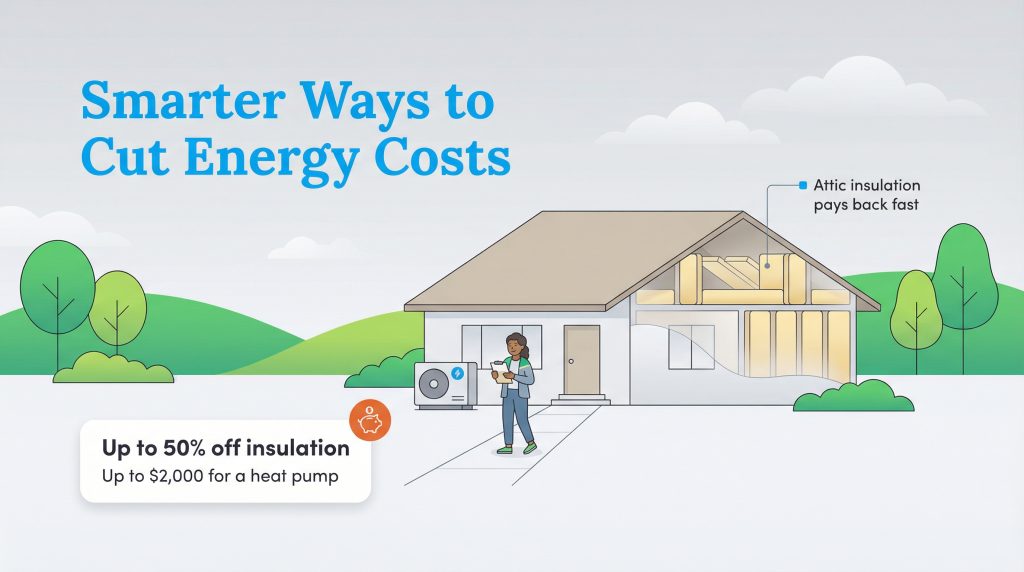
The most effective way to fight rising rates is to use less energy, and there is a lot of help available to do just that. The Energy Trust of Oregon offers significant cash rebates for home upgrades that make a real dent in your consumption. In fact, for a typical ranch-style home, insulation upgrades can have 30% to 50% of the cost covered by these incentives.
If you have an older home, attic insulation is your best friend. It’s often the cheapest upgrade with the highest return on investment, keeping your home cooler in the summer and warmer in the winter without cranking the HVAC.
Financial Assistance and Consumer Protections
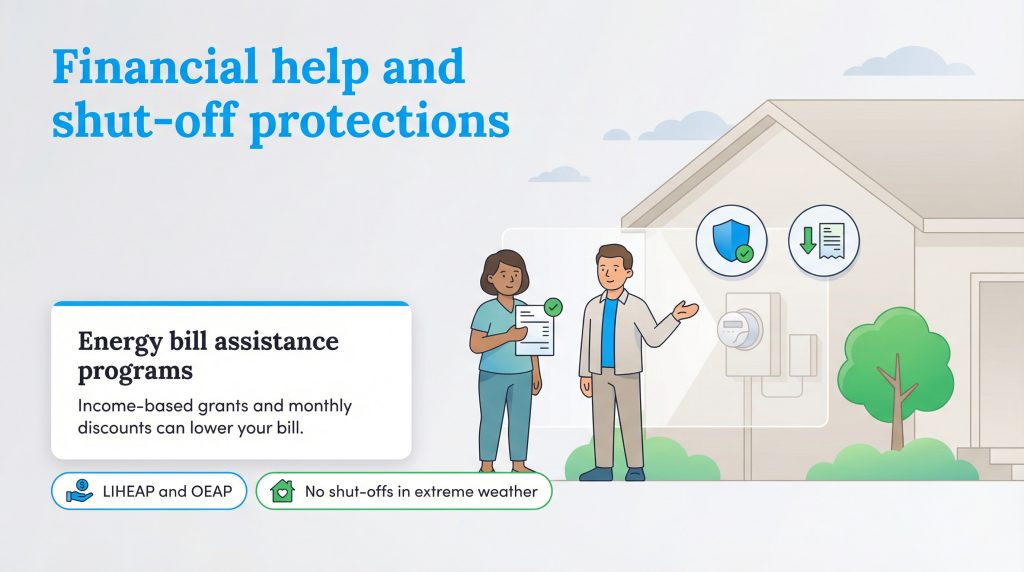
If you’re worried about being able to pay your bill, don’t wait for a shut-off notice to ask for help. Thanks to recent legislation, there is more assistance available now than in previous years. The Oregon Housing and Community Service department manages programs like LIHEAP and the Oregon Energy Assistance Program (OEAP), which provide crisis grants to families earning at or below 60% of the state’s median income.
Beyond crisis grants, both PGE and Pacific Power offer ongoing monthly bill discounts for income-qualified households. These discounts are applied every single month, helping to offset the cumulative impact of the rate hikes we’ve seen over the last few years.
Taking Charge of Your Oregon Energy Costs
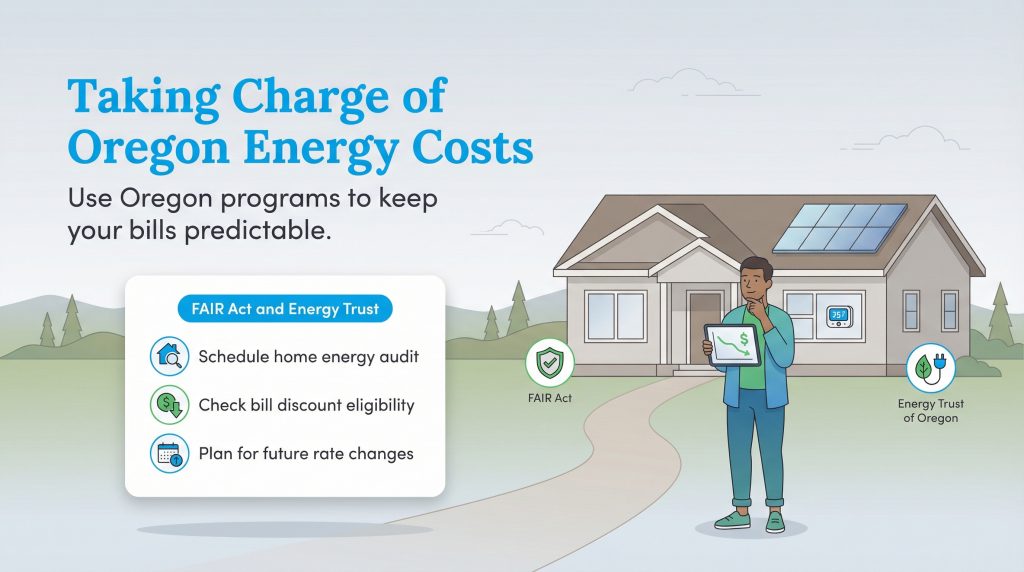
Navigating the shifting landscape of Oregon’s energy market isn’t always easy, but you have more tools at your disposal than you might think. Between the protective shield of the FAIR Act and the robust incentives offered by the Energy Trust of Oregon, there are clear paths to making your home more efficient and your bills more predictable. As we look toward a future with fewer, more spread-out rate cases starting in 2027, our focus remains on keeping our communities connected and resilient. Taking a few proactive steps today, like scheduling a home energy audit or checking your eligibility for bill discounts, can ensure that even as rates rise, your household budget stays on solid ground.
Frequently Asked Questions About Oregon Utility Rates
Why did my bill wait until April to go up instead of January?
Can I switch to a different electric company if I’m unhappy with PGE or Pacific Power?
What is the POWER Act I keep hearing about?
Are there still rebates for smart thermostats in 2026?
How do I know if I qualify for bill assistance?
About the Author

Claudio is a sustainability-focused writer with a background in Anthropology and Psychology from NC State University. He has spent over 15 years working in writing, interpretation, and translation, driven by a deep interest in how human culture shapes the environment. Today, he shares his curiosity with readers by writing about sustainable living solutions and the connection between everyday choices and environmental impact.