South Dakota Electricity Information
South Dakota generates most of its electricity from renewable sources, with hydroelectric and wind power leading the way. The state’s strong river systems provide reliable hydropower, while its open plains make it ideal for wind energy, which has expanded rapidly in recent years. Natural gas plays a small but growing role, while coal use has declined significantly. Thanks to its abundant local resources, South Dakota enjoys some of the lowest electricity prices in the nation. With a high share of clean energy, the state maintains low emissions, reinforcing its position as a leader in sustainable power generation.
Find Electricity Providers In South Dakota
Ranks 43rd Highest in the U.S.
Average Price: 14.29¢ /kWh
Ranks 16th Cheapest in the U.S.
Average Electric Bill: $144
Ranks 17th Cheapest in the U.S.

Electricity Production By Source
Emissions From Electricity Generation
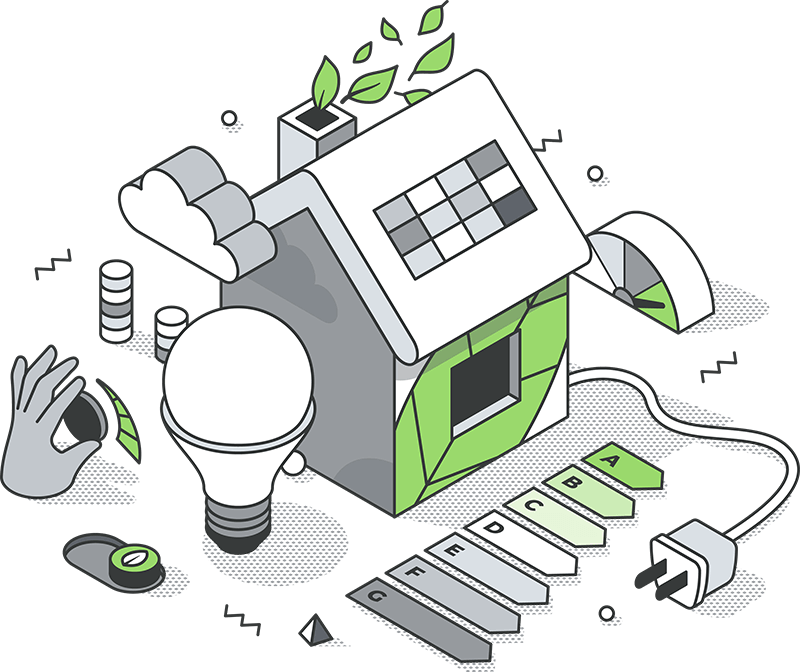
Estimate Your Emissions From Your Electricity Usage
How much CO2, SO2, and NOx do you generate from the electricity that powers your home?
Renewable Electricity Generation
78.68% of Total Production
Energy Usage in South Dakota
South Dakota’s electricity consumption is shaped by its Northern Plains climate, which brings cold winters and warm summers. Heating needs are high during the long, frigid winters, often relying on electricity alongside natural gas and other fuels. In the summer, air conditioning demand increases, though it remains moderate compared to hotter regions. The state’s industrial and agricultural sectors, including energy-intensive activities like ethanol production and irrigation, also contribute to overall electricity use.
Municipal Utilities in South Dakota
While most cities, towns, and villages throughout the state of South Dakota offer municipal essential services like providing clean water, sewage treatment and dealing with waste and storm water, some also offer other services like electricity, natural gas, sanitation or recycling. In South Dakota, 38 cities offer municipal electricity utility services to their residents.
Largest Electric Companies in South Dakota
The rest of South Dakota receives electric utility service from one of many primary providers. Here’s a list of some of the larger providers that might be available to your home:






Map of Electric Providers in South Dakota
Setting up your electricity doesn't have to be a headache. We built this interactive map to help you quickly identify the electric provider that services your area. Whether you are moving across the country or just a few towns over, you can use the map below to find your local utility company, review their service areas, and take the next step in making your new house a home.
South Dakota Natural Gas Information
South Dakota’s winters are long and sharp, so gas matters most when the temperature drops. About 48% of households use natural gas as their primary heating fuel, and cold snaps push demand up across Sioux Falls, Rapid City, and smaller prairie towns. By usage, the state is more industry-heavy than most. In 2024 the industrial sector took about 52% of deliveries, while electric power used about 21%, with homes and businesses making up the rest. That mix fits a small-population state where manufacturing and processing run year-round and where gas-fired plants step in when heating or summer cooling loads rise.
South Dakota does not run a broad retail gas marketplace for households. Commercial and industrial customers can qualify to buy supply from a marketer while the utility delivers it, an option available through providers like MidAmerican Energy and Montana-Dakota Utilities.
Largest Natural Gas Companies in South Dakota
Many of the residents of South Dakota receive their natural gas utility service from one of the larger companies that service the state.

Find Natural Gas Providers In South Dakota
South Dakota Internet Connectivity
Largest Internet Providers in South Dakota
When it comes to high-speed internet, homes in South Dakota have plenty of options to stay connected! From bustling cities to quiet rural areas, a variety of providers offer reliable service across the state. Here are some of the biggest names keeping South Dakota homes online and in the loop:



Find Internet Providers In South Dakota
Consumer Rights & Protections
South Dakota has specific "Cold Weather Rules" to protect residents from dangerous utility disconnections during the harsh winter months.
- Winter Disconnection Moratorium: From November 1 to March 31, regulated utility companies are required to provide an extra 30 days of notice before disconnecting residential service.
- Medical Extensions: If a disconnection would aggravate a medical condition for you or a household member, you can often delay service shut-off by 30 days by providing a physician's certificate to your utility provider.
- Dispute Resolution: If you have a dispute with an Investor-Owned Utility (like NorthWestern Energy, Xcel Energy, or Black Hills Energy), you can file a formal complaint with the South Dakota Public Utilities Commission (PUC).
Moving to South Dakota: Utility Checklist
Because South Dakota is a mix of urban centers and very rural areas, setting up utilities can vary significantly depending on your zip code.
- Verify Your "Service Territory": Unlike some states with open competition, most of South Dakota has defined service territories. You cannot choose your electric provider; it is determined by who owns the lines at your address. Use the PUC Electric Service Territory Map to confirm your provider before you move.
- Trash Collection: In many South Dakota towns (like Sioux Falls), trash collection is an "open market" system. This means the city does not provide the service; instead, you must privately contract with a licensed waste hauler of your choice. In smaller towns, it may be a municipal service added to your water bill.
- Deposits: Utility companies in SD may charge a deposit (often 1/6th of the estimated annual bill) if you have an "unsatisfactory" credit history with utilities. This can often be waived if you provide a letter of credit from your previous utility provider showing 12 months of on-time payments.
Read more about Setting Up Utilities For Your New Home
Renewable Energy & Efficiency
South Dakota is a leader in renewable energy generation, and residents can participate directly.
- Solar Incentives: While there is no state-wide mandate for "net metering" (selling power back to the grid at retail rates), many co-ops and providers like Black Hills Energy offer Net Billing or production credits. Always ask for their specific "Interconnection Guidelines" before installing panels.
- Tax Exemptions: South Dakota offers a Renewable Energy System Property Tax Exemption. This ensures that the value added to your home by installing a solar or wind system (up to $50,000 or 70% of the cost) is exempt from property taxes, keeping your annual tax bill lower.
Safety: Call Before You Dig
South Dakota law requires you to locate underground utilities before any digging project, whether you are installing a fence, planting a tree, or building a deck.
- South Dakota 811: You must call 8-1-1 or file a request online at South Dakota 811 at least 48 hours before you start digging. This service is free and will prevent you from hitting gas, electric, or fiber optic lines.
Rural Internet Options
In rural parts of the state where cable or fiber may not reach, residents often rely on alternative high-speed options:
- Fixed Wireless: Providers like Midco and various local co-ops beam internet signals from towers to a receiver on your house. This is often faster and more reliable than traditional satellite internet in the flat plains.
- Satellite: For the most remote locations, services like Starlink, Viasat, and HughesNet are available statewide.
Utility Costs in South Dakota
The average monthly total utility bills in South Dakota is $236, which is 10.28% lower than the national average.
Assistance for Paying Utility Bills in South Dakota
If you are struggling to keep up with heating or electric costs, South Dakota offers several state-administered and charitable programs designed to prevent disconnection and ensure your home remains safe.
State-Wide Energy Assistance Programs
The primary resource for most residents is the Low Income Energy Assistance Program (LIEAP). Administered by the Department of Social Services, this federally funded program helps eligible households pay for home heating costs, including natural gas, electricity, propane, and fuel oil.
-
Eligibility: Based on household size and income (generally at or below 200% of the federal poverty level).
-
How to Apply: You can apply online or print an application through the South Dakota Department of Social Services website.
Additional State Resources:
-
Weatherization Assistance Program (WAP): This program helps low-income families permanently reduce their energy bills by making their homes more energy-efficient. Improvements may include wall and attic insulation, air sealing, and furnace repair.
-
Energy Crisis Intervention Program (ECIP): If you have received a disconnection notice or are nearly out of fuel, ECIP provides emergency financial assistance to restore or maintain service.
Special Programs for Seniors
Senior citizens in South Dakota often receive priority status for state programs, but there are also specific measures to help those on fixed incomes manage their housing and utility costs.
-
Priority Weatherization: The Weatherization Assistance Program prioritizes households with elderly residents (60+), helping seniors lower their monthly bills through free home improvements.
-
Tax Relief: While not a direct utility payment, the Property Tax Assessment Freeze prevents property taxes from increasing for eligible seniors, freeing up fixed-income dollars for utilities.
-
Project DESERVE: Administered by the Center of Hope, Project DESERVE provides emergency energy assistance to elderly or disabled adults who may not qualify for other state help.
Special Programs for Veterans
Veterans facing financial hardship have access to specialized funds aimed at maintaining stable housing.
-
Supportive Services for Veteran Families (SSVF): This program offers temporary financial assistance for rent and utility payments to prevent homelessness. You can find a local provider through the South Dakota Helpline Center or by calling 2-1-1.
-
Aid and Attendance: Veterans and survivors who are eligible for a VA pension and require the aid of another person may qualify for Aid and Attendance benefits, which increase your monthly pension payment to help cover cost-of-living expenses, including utilities.
Assistance for Students
While there is no single state-wide “student utility program,” many South Dakota universities maintain emergency funds for students facing unexpected financial crises that threaten their ability to stay in school.
-
University of South Dakota (USD): The Student Emergency Grant can assist currently enrolled students with unexpected expenses, including emergency housing needs.
-
South Dakota State University (SDSU): The Student Emergency Fund provides limited financial support for essential expenses, such as food and safety-related needs, during hardships.
-
Augustana University: The Student Emergency Fund is available to help students cover essential costs during temporary financial emergencies.
-
Guidance: If you are a student, always contact your university’s Financial Aid Office first to see if you qualify for emergency grants or budget adjustments.
Learn more in the Student Utility Guide
Find Utility Providers In South Dakota
Utility Providers by City in South Dakota
| City Name | Population | Municipal Electricity |
|---|---|---|
| Aberdeen | 28,500 | No |
| Belle Fourche | 5,561 | No |
| Beresford | 2,359 | Yes |
| Blackhawk | 3,081 | No |
| Box Elder | 11,527 | No |
| Brandon | 10,745 | No |
| Brookings | 23,432 | Yes |
| Canton | 3,054 | No |
| Chamberlain | 2,400 | No |
| Colonial Pine Hills | 2,425 | No |
| Custer | 2,067 | No |
| Dakota Dunes | 3,688 | No |
| Dell Rapids | 3,940 | No |
| Elk Point | 2,248 | Yes |
| Flandreau | 2,298 | Yes |
| Fort Pierre | 2,426 | Yes |
| Harrisburg | 6,645 | No |
| Hartford | 3,263 | No |
| Hot Springs | 3,407 | No |
| Huron | 14,060 | No |
| Lead | 2,989 | No |
| Lennox | 2,617 | No |
| Madison | 6,388 | Yes |
| Milbank | 3,488 | No |
| Mitchell | 15,677 | No |
| Mobridge | 3,215 | No |
| North Sioux City | 2,956 | No |
| North Spearfish | 2,198 | No |
| Pierre | 14,126 | Yes |
| Pine Ridge | 3,085 | No |
| Rapid City | 88,076 | No |
| Rapid Valley | 7,875 | No |
| Redfield | 2,160 | No |
| Sioux Falls | 189,258 | Yes |
| Sisseton | 2,433 | No |
| Spearfish | 12,031 | No |
| Springfield | 2,108 | No |
| Sturgis | 7,088 | No |
| Summerset | 2,875 | No |
| Tea | 5,535 | No |
| Vermillion | 11,506 | Yes |
| Volga | 2,146 | Yes |
| Watertown | 22,577 | Yes |
| Winner | 2,882 | Yes |
| Yankton | 15,332 | No |