North Dakota Electricity Information
North Dakota generates most of its electricity from coal and wind power, making it one of the nation’s top energy exporters. While coal remains the dominant source, wind energy has expanded rapidly, taking advantage of the state’s strong prairie winds. Electricity prices in North Dakota are among the lowest in the country, thanks to its abundant local resources and relatively low demand. While coal-fired generation contributes to significant emissions, the state has made progress in reducing its carbon footprint through carbon capture projects and increased reliance on renewables.
Find Electricity Providers In North Dakota
Ranks 34th Highest in the U.S.
Average Price: 11.95¢ /kWh
Ranks 1st Cheapest in the U.S.
Average Electric Bill: $139
Ranks 12th Cheapest in the U.S.

Electricity Production By Source
Emissions From Electricity Generation
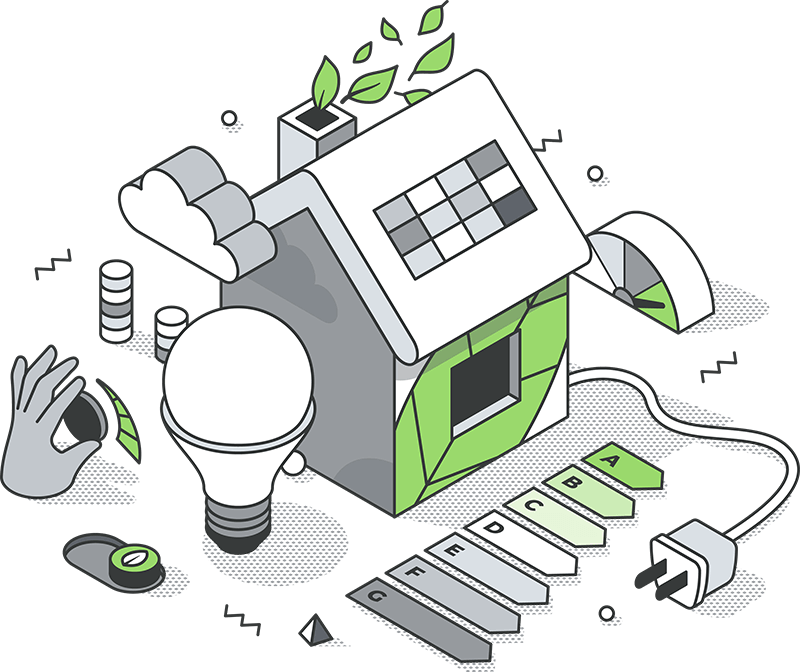
Estimate Your Emissions From Your Electricity Usage
How much CO2, SO2, and NOx do you generate from the electricity that powers your home?
Renewable Electricity Generation
39.45% of Total Production
Energy Usage in North Dakota
Electricity consumption in North Dakota is shaped by its Upper Midwest climate, characterized by frigid winters and warm summers. Heating demand is high in the winter, driving significant energy use, while summer air conditioning needs are moderate in comparison. The state’s energy-intensive industries, including agriculture and oil production, also contribute to higher per-capita electricity consumption. With its vast energy resources, North Dakota is well-positioned to balance reliability, affordability, and sustainability in its power sector.
Municipal Utilities in North Dakota
While most cities, towns, and villages throughout the state of North Dakota offer municipal essential services like providing clean water, sewage treatment and dealing with waste and storm water, some also offer other services like electricity, natural gas, sanitation or recycling. In North Dakota, 14 cities offer municipal electricity utility services to their residents.
Largest Electric Companies in North Dakota
The rest of North Dakota receives electric utility service from one of many primary providers. Here’s a list of some of the larger providers that might be available to your home:





Map of Electric Providers in North Dakota
Setting up your electricity doesn't have to be a headache. We built this interactive map to help you quickly identify the electric provider that services your area. Whether you are moving across the country or just a few towns over, you can use the map below to find your local utility company, review their service areas, and take the next step in making your new house a home.
North Dakota Natural Gas Information
Winters are long and biting on the Northern Plains, so natural gas plays a big role in comfort and reliability. About 41% of North Dakota households use gas as their primary heating fuel, and cold snaps push demand sharply higher while warm summers leave a smaller residential footprint. On the consumption side, the electric power sector accounts for roughly 30% of in-state gas use, commercial about 15%, and residential about 11%, with industry making up the remainder. North Dakota also produces meaningful volumes of gas from its oil fields and has steadily increased pipeline deliveries, which helps keep supply close to where it is needed.
Largest Natural Gas Companies in North Dakota
Many of the residents of North Dakota receive their natural gas utility service from one of the larger companies that service the state.
Find Natural Gas Providers In North Dakota
North Dakota Internet Connectivity
Largest Internet Providers in North Dakota
When it comes to high-speed internet, homes in North Dakota have plenty of options to stay connected! From bustling cities to quiet rural areas, a variety of providers offer reliable service across the state. Here are some of the biggest names keeping North Dakota homes online and in the loop:



Find Internet Providers In North Dakota
Know Your Rights: Utility Consumer Protections
As a utility customer in North Dakota, you have specific rights mandated by the North Dakota Public Service Commission (PSC). Understanding these rules can protect you from unexpected service interruptions.
- Disconnection Rules: Regulated utility companies generally must provide a 10-day written notice before disconnecting your service. If you are a tenant and the landlord pays the bill but fails to do so, the utility must post a notice at least 5 days before disconnection, giving you the opportunity to take over the service.
- Winter Protections: While North Dakota does not have a total ban on winter disconnections, there are strict rules for the period between November 1 and April 30. Utilities must attempt to contact you personally or by phone before shutting off heat-related services. If they cannot reach an adult at the residence, they cannot disconnect service until after a specific notification period has passed.
- Medical Postponement: If a disconnection would create a life-threatening situation for a member of your household (such as someone relying on electric medical equipment), you can delay the shut-off. You must provide a certificate from a licensed physician or public health official. This generally pauses disconnection for up to 30 days, giving you time to make payment arrangements.
- Third-Party Notices: If you travel often, are elderly, or are helping a relative manage their affairs, you can request a Third-Party Notice. This ensures a copy of any disconnection warning is sent to a designated friend, family member, or agency who can alert the account holder.
Going Green: Renewable Energy & Efficiency
North Dakota offers incentives for homeowners looking to reduce their reliance on the grid through renewable energy.
- Property Tax Exemptions: North Dakota law allows for a property tax exemption for new installations of solar, wind, or geothermal energy systems. This exemption generally lasts for five years following installation, ensuring your property taxes do not immediately jump due to the value of the new system.
- Learn more at the North Dakota Office of State Tax Commissioner.
- Net Metering: If you are a customer of an investor-owned utility (like Xcel or Otter Tail), you are eligible for "Net Metering" for systems up to 100kW. This allows you to send excess electricity back to the grid and receive a credit on your bill.
- Energy Efficiency Rebates: Many utility providers offer direct rebates for installing smart thermostats, high-efficiency furnaces, or LED lighting. Always check your utility’s "Rebates" section before buying new appliances.
Safety: Call Before You Dig
Whether you are planting a tree, installing a fence, or building a deck, you must ensure you do not hit underground electric or gas lines.
- Contact 811: By law, you must contact North Dakota One Call at least 48 hours before you begin any excavation.
- The Process: Call 8-1-1 or file a request online. Utility companies will come to your property free of charge to mark the location of underground lines with flags or spray paint.
- The Risk: Digging without calling can result in dangerous gas leaks, power outages, and significant fines for repair costs.
Moving Utility Checklist for North Dakota
Moving is stressful, and forgetting to transfer a utility can lead to cold nights or no internet. Use this timeline to ensure your services are ready when you walk through the door.
2 Weeks Before Moving Day
- Identify Your Providers: Use the Major Utility Providers list above to determine who services your new address. Note that rural addresses often use different providers than the nearest town.
- Notify Current Providers: Contact your current electric, gas, water, and internet companies to set a stop date.
- Schedule New Service: Call your new providers to set up accounts.
- Internet: Installation appointments can book up weeks in advance, especially in university towns like Fargo or Grand Forks in the fall. Call early to avoid a gap in service.
1 Week Before Moving Day
- Update Address: Update your mailing address with the USPS and any billing departments to ensure you receive your final statements and deposit refunds.
- Check "Budget Billing": If you are closing an account where you used Budget Billing (averaged payments), ask if you have a "settlement balance" due. You may owe a lump sum if your actual usage was higher than your averaged payments.
Moving Day
- Read the Meters: Take a photo of the electric and gas meters at both your old and new homes. This provides proof of usage if there is a billing dispute later.
- Test the Essentials:
- Check that the thermostat is working and the furnace/AC turns on.
- Run taps to check for hot water and leaks.
- Locate the main water shut-off valve and the electrical breaker box in case of emergencies.
After Moving In
- Audit the First Bill: Your first bill at the new house will likely be higher due to setup fees or partial-month billing. Compare the meter reading on the bill to the photo you took on moving day to ensure accuracy.
- Apply for Discounts: If you qualify for LIHEAP or senior discounts, apply immediately once your new account number is generated.
Utility Costs in North Dakota
The average monthly total utility bills in North Dakota is $237, which is 9.9% lower than the national average.
Assistance for Paying Utility Bills in North Dakota
If you are struggling to keep up with heating or electric bills in North Dakota, several state-run and charitable programs are available to help. These programs can assist with monthly payments, emergency shut-off prevention, and energy efficiency upgrades.
General Assistance Programs
- Low Income Home Energy Assistance Program (LIHEAP):
This federally funded program is the primary resource for utility help in North Dakota. It runs from October 1 through May 31 and helps eligible low-income households pay a portion of their home heating costs. LIHEAP also offers:
-
Emergency Assistance: Help for households facing a shut-off, those who have run out of fuel, or those needing emergency furnace repair.
-
Weatherization Services: Upgrades like insulation and weather stripping to permanently reduce energy bills.
-
Furnace Help: Assistance with cleaning, repairing, or replacing inefficient heating systems.
-
Apply Online: You can apply through the North Dakota Health and Human Services Self-Service Portal.
-
- North Dakota Energy Share:
If you have exhausted your LIHEAP benefits or do not qualify but still face an energy emergency, Energy Share may be able to help. This is a private, non-profit program funded by donations and utility companies to assist with service charges, reconnection fees, and past-due bills.
-
How to Apply: This program is administered by local Community Action Agencies. You will need to contact the agency in your region to apply.
-
- Salvation Army HeatShare:
HeatShare is a safety-net program that provides emergency utility assistance for natural gas, oil, propane, and electricity. It is typically a “last resort” for those who have no other resources available.
-
Find Help: Visit the Salvation Army Northern Division Utility Assistance page or call 1-800-842-7279 to find a local office.
-
Special Programs for Seniors
Seniors in North Dakota are often prioritized for weatherization services and emergency grants.
-
Cooling Assistance: While LIHEAP is primarily for heating, households with a member who has a specific medical condition (which often applies to seniors) may be eligible for help purchasing or repairing air conditioning units during the summer months.
-
Protection from Disconnection: North Dakota law has specific rules regarding disconnection during winter months. While not a “payment program,” seniors should communicate their age and health status to their utility provider, as it may provide additional protections or delayed disconnects during extreme weather.
Special Programs for Students
College students may face unique eligibility rules for state benefits, but specific university resources are often available for utility emergencies.
-
University Emergency Funds: Many North Dakota universities have “Angel Funds” or “Student Emergency Funds” designed to help students cover essential costs, including utilities, during unexpected financial hardships.
-
LIHEAP for Students: Students may qualify for LIHEAP if they meet income guidelines and are not claimed as a dependent on another person’s tax return. It is worth applying to see if you qualify as an independent household.
Learn more in the Student Utility Guide
Special Programs for Veterans
Veterans in North Dakota have access to dedicated funds that can assist with housing stability, including utility payments.
- Supportive Services for Veteran Families (SSVF):
This program helps low-income veteran families who are homeless or at risk of losing their housing. It can provide temporary financial assistance for rent, utility deposits, and utility fees.
-
Contact: Administered by Community Action Partnership of North Dakota and Veterans Inc.
-
- Veterans Aid Loan Program:
The North Dakota Department of Veterans Affairs offers a temporary loan program (up to $5,000) for veterans who have a specific financial need. While this is a loan, the interest rate is low (8%), and half of the interest paid is refunded upon repayment.
-
Learn More: Visit the ND Department of Veterans Affairs.
-
- Hardship Assistance Grant:
Available to low-income veterans or their spouses, this grant is primarily for medical needs (like dental or optical), but freeing up funds in these areas can often make paying utility bills more manageable.
Find Utility Providers In North Dakota
Utility Providers by City in North Dakota
| City Name | Population | Municipal Electricity |
|---|---|---|
| Beulah | 3,070 | No |
| Bismarck | 89,825 | No |
| Bottineau | 2,141 | No |
| Carrington | 2,133 | No |
| Casselton | 2,493 | No |
| Dickinson | 24,851 | No |
| Fargo | 207,310 | No |
| Grafton | 4,186 | Yes |
| Grand Forks | 63,767 | No |
| Grand Forks AFB | 2,678 | No |
| Hazen | 2,564 | No |
| Horace | 3,141 | No |
| Jamestown | 15,823 | No |
| Lincoln | 4,126 | No |
| Lisbon | 2,109 | No |
| Mandan | 23,784 | Yes |
| Minot | 48,005 | No |
| Minot AFB | 5,375 | No |
| New Town | 2,745 | No |
| Rugby | 2,546 | No |
| Stanley | 2,079 | No |
| Valley City | 6,586 | Yes |
| Wahpeton | 7,928 | No |
| Watford City | 5,725 | No |
| West Fargo | 37,913 | No |
| Williston | 27,368 | No |